
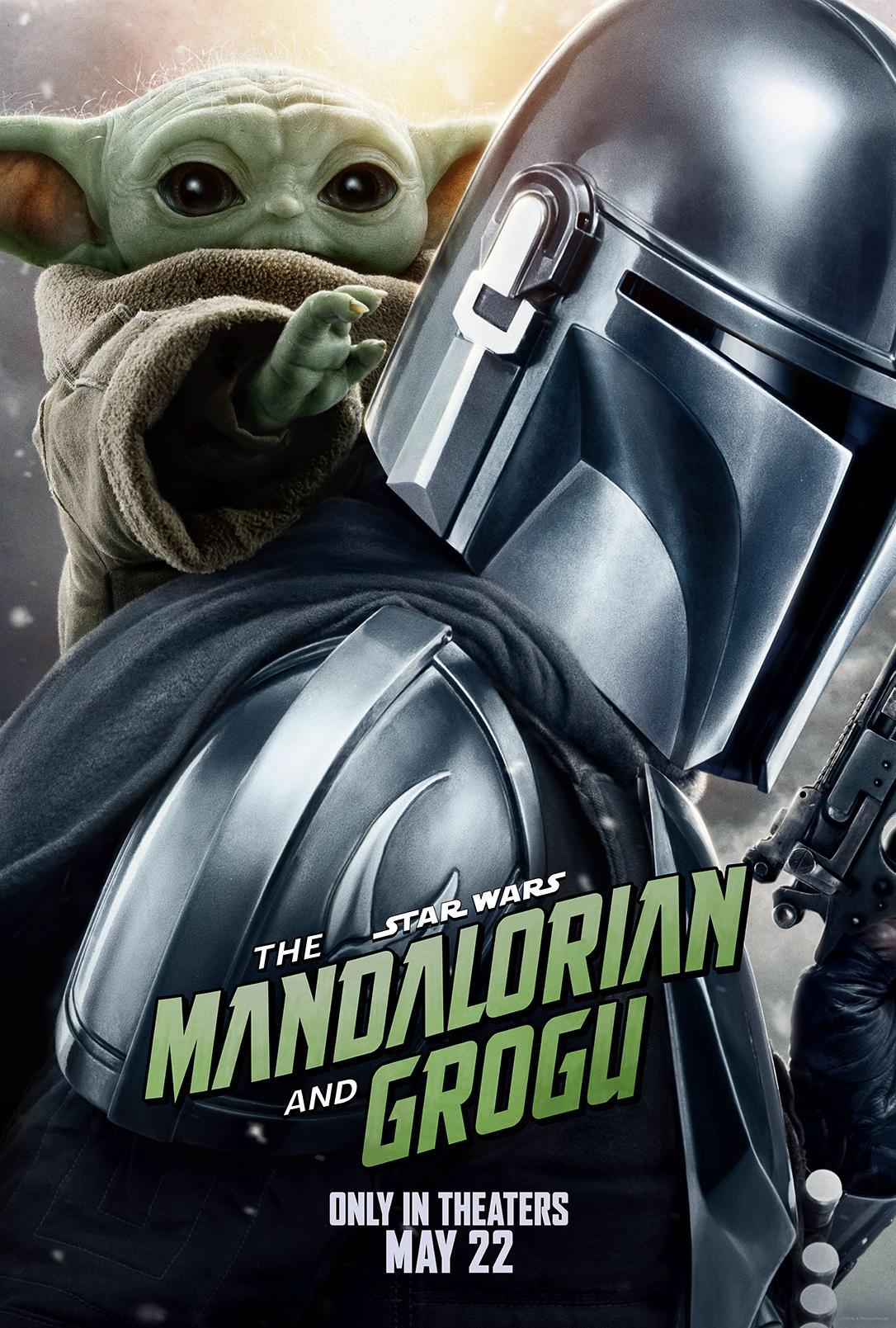
With The Mandalorian & Grogu finally blasting onto the big screen, Star Wars has returned to theaters with a movie that manages a strange flex: not a single lightsaber ignites, yet it might be one of the densest lore dumps the franchise has ever produced. Between obscure planets, animated-series callbacks, and even a stealth Sam Witwer cameo, the film functions as both a western-style bounty hunt and a reward chest for fans who have been tracking the “Mandoverse” across Disney+ since 2019.
Lucasfilm first announced the project in January 2024 as the next theatrical Star Wars film, with Jon Favreau writing and directing and Dave Filoni and Kathleen Kennedy producing, positioning it as a continuation of the Disney+ series rather than a clean reboot for movie‑only audiences. In the official announcement on StarWars.com, Lucasfilm framed the story as a new chapter in the New Republic era that Favreau and Filoni have been building across The Mandalorian, The Book of Boba Fett, Ahsoka, and the upcoming crossover film Filoni is slated to direct. Reviews and breakdowns from outlets such as IGN, CBR, and ComicBook.com have since zeroed in on just how aggressively the movie knits those story threads together.
The opening set‑piece, heavily featured in the first trailer released on the official Star Wars YouTube channel, drops Din Djarin and Grogu into a snow‑blasted world under assault from Imperial holdouts. Fans initially dissected that footage frame by frame, speculating that the planet might be Hoth or Grand Moff Tarkin’s homeworld of Eriadu. Once the film arrived, visual cues and dialogue strongly echoed Pagodon, the icy backwater Din visited in the very first episode of The Mandalorian, creating a deliberate sense of looping back to where this saga started. That kind of circular storytelling — returning to familiar environments while raising the stakes — has become a Favreau hallmark and sets the tone for the film’s constant self‑referencing.
Dig a little deeper into the plot and the movie’s most important connective tissue is political, not planetary. The “Imperial Shadow Council” introduced late in The Mandalorian Season 3 returns here as the organizing force behind the Remnant, now represented on screen by new warlords Commander Coin and Commander Barro. As established in Season 3’s council scenes with Brendol Hux and Gilad Pellaeon, the group is a loose cabal of ex‑Imperial officers quietly coordinating resources while pretending to accept New Republic authority. The Mandalorian & Grogu extends that idea, showing how these regional warlords are already funneling materiel into darker projects that will eventually birth the First Order, tightening the continuity bridge between the Disney+ shows and the sequel trilogy in a way that outlets like The Hollywood Reporter have highlighted.
The film also gives the Imperial war machine a visual refresh. Snowtroopers, last seen battling Rebel speeders in The Empire Strikes Back, finally appear with a fully realized helmet design instead of the cloth‑draped masks used in 1980. Costume breakdowns from sites such as Screen Rant note that the updated armor blends the original trilogy’s stark white silhouette with the bulkier, weather‑beaten look of range troopers from Solo: A Star Wars Story. That design tweak does more than just modernize an old costume: it reinforces the idea that these are fragmented, kit‑bashed remnants of a fallen Empire, visually paralleling the way the Remnant itself is splintered into competing fiefdoms under the Shadow Council.
Perhaps the deepest cut for long‑time diehards is a voice they never actually see. According to Easter‑egg roundups from ComicBook.com and other fan sites, one of the film’s snowtroopers is voiced by Sam Witwer, a name that will ring bells for anyone who’s played The Force Unleashed or watched The Clone Wars and Star Wars Rebels, where he became the definitive voice of Darth Maul. It’s a blink‑and‑you’ll‑miss‑it credit, but it continues Dave Filoni’s long‑running practice of bringing animation‑era collaborators into live action; earlier series have already promoted performers like Katee Sackhoff and Lars Mikkelsen from the recording booth to on‑camera roles. Witwer’s presence is a meta‑nod to the franchise’s cross‑media history, even if most casual viewers will never notice.
Those kinds of cameos sit alongside a steady drumbeat of smaller references that tie the movie into every era of Star Wars storytelling. Background aliens and droids first designed for The Clone Wars and Rebels quietly populate cantinas and bazaars. Mentions of Outer Rim worlds and criminal syndicates seeded in earlier seasons of The Mandalorian and in novels from the current canon provide the sense that Din and Grogu are moving through a galaxy that actually remembers its own history. At the same time, several critics have pointed out that the story remains readable even if viewers miss all of that; the core plot still plays as a frontier adventure about a gunslinger trying to protect his foundling in a lawless zone the New Republic barely understands.
If anything, the movie’s avalanche of Easter eggs is less about winking fan service and more about signaling how Lucasfilm now thinks about theatrical releases. Rather than functioning as standalone tentpoles that the shows spin off from, The Mandalorian & Grogu behaves like another chapter in an ongoing streaming saga that happens to be projected on a larger screen and supported by a bigger budget. The absence of lightsabers — noted by multiple reviewers as a first for a live‑action Star Wars feature — underlines that shift: this is a story primarily about the messy, criminal, post‑Imperial frontier, not about mythic Jedi destinies. With Filoni’s own crossover film still on the horizon, this movie’s dense web of references is doing double duty, both satisfying lore‑hungry fans in the moment and quietly moving all the pieces into place for whatever climactic showdown is coming next.


