

Murdoch University’s Bioplastics Innovation Hub is using AI to mine millions of natural enzymes for new plastic- and toxin-busting bioremediation tools.
We delve deep into the subjects of science and history, providing insightful analysis and commentary that is both informative and thought-provoking. Our articles are designed to entertain and educate, catering to both casual readers and serious enthusiasts. In the realm of science, we cover the latest breakthroughs and discoveries in various fields such as medicine, biology, physics, and more. Whether you are a scientist or a science enthusiast, we have something for you (including, yes, crazy science experiments!).
In the realm of history, we offer explorations of ancient civilizations, historical events, and the people who shaped the world we live in today. Our articles provide a glimpse into the past, helping readers understand how the world has evolved over time. We also cover topics such as archaeology, US History, and historical preservation, allowing readers to learn about the different ways that history is studied and preserved.
Murdoch University’s Bioplastics Innovation Hub is using AI to mine millions of natural enzymes for new plastic- and toxin-busting bioremediation tools.

SpaceX’s Crew-13 mission has launched four astronauts from NASA, Canada and Russia to the ISS for a six-month science push in orbit with live coverage.

A new UC Berkeley study finds chimpanzees are less likely to steal pineapple from close friends, reshaping how scientists think about primate morality.
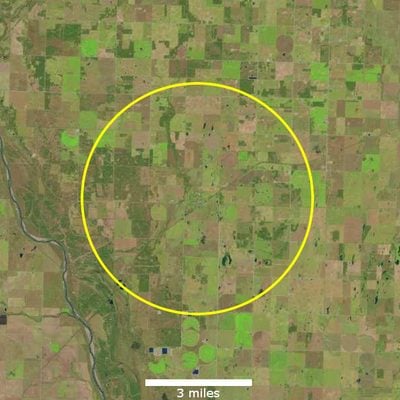
New dating of Oklahoma’s buried Ames impact crater shifts the meteor strike 100M years younger, tying the impact to a major Late Devonian extinction.
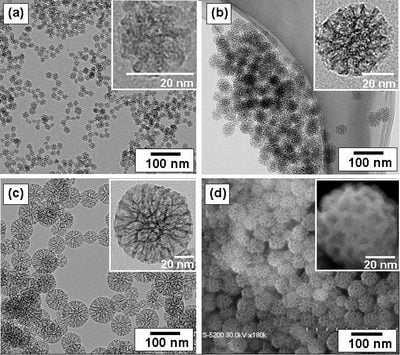
New OECD best-practice guidance co-written at ANSTO explains how to track titanium dioxide nanoparticles inside the human body and how long they persist.

Wellness influencers and biohackers are pushing nicotine pouches and patches as focus and longevity hacks, despite experts warning of addiction and serious health risks.
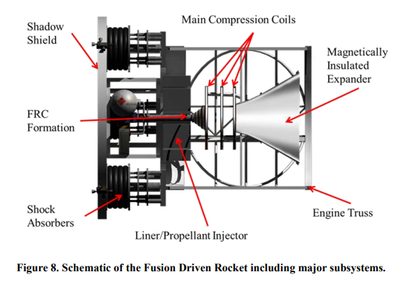
Fusion startups Pulsar Fusion and Helicity Space join Princeton researchers and NASA studies in pushing real fusion rockets that could shrink travel across the solar system.
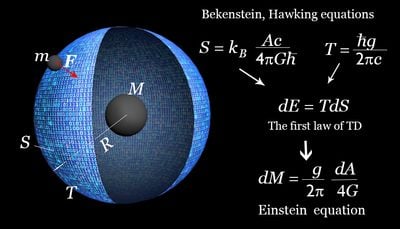
Quanta’s dive into AdS/CFT shows why gravity looks holographic, hinting our 3D universe could emerge from a 2D quantum boundary and what that mind-bending idea means for physics.

Magnet-making microbes extended C. elegans lifespans by over 43% and protected their brains and guts, hinting at a wild new frontier for anti-aging science.
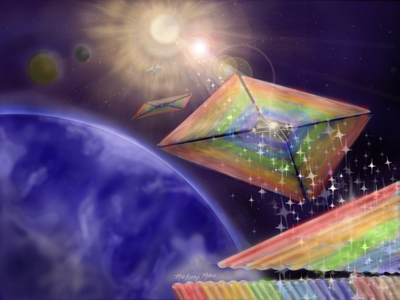
A Beihang University study and NASA-backed sail research show how diffractive solar sails might hurl a 100 km/s impactor into a killer asteroid.
SparTech Software Cybersecurity
Check out the latest cybersecurity and dark web news. From rapid, high-level cybersecurity analysis reports to in-depth penetration testing (pentesting) of your network and systems, SparTech Software offers a comprehensive suite of cybersecurity services designed to protect your organization from evolving digital threats.

Geeky mathematical minds make money with horse race handicapping! Visit pickpony.com for horse racing past performance sheets, race charts and heatmaps, data summaries, AI analysis, and more. Pick Pony - your best bet in horse racing!
Books from Geek Slop Publishing
Living Truth Bible Study Guides
Despite its beautiful prose, you can’t just read Revelation; it requires diligent study. However, ineffective study techniques can lead to misunderstandings. Rather than imposing strict interpretations on the described events, use the concepts we present as a framework for understanding its intricate code. The Book of Revelation indeed provides more than just a foretelling of the tumultuous end of days. It reassures Christians that divine justice will ultimately triumph over evil and promises Jesus' eventual return as the rightful king of the world.
Chronicles of Enigma
While science and reason often seek to illuminate the unknown, there remains a certain allure in the unexplained—a realm where imagination and reality blur, creating a tapestry rich with wonder and possibility. Stories from the Chronicles of Enigma series endure not just as relics of the past, but as gateways to exploring the depths of our curiosity and the infinite potential of our world. Let us be the light that guides you through the darkness.
This Month’s Charity
Geek Slop believes everyone should be a good corporate citizen. Thus, each month, Geek Slop gives a portion of our online store profits to deserving charity. This month’s charity is:
Child Fund of America
Charity Watch Grade: A+
Program percentage: 92%
©Geek Slop – Many images, trademarks, logos, video, brands and images used on this website are registered trademarks of their respective companies and owners. They want us to remind you that “All Rights are Reserved”. Geek Slop never shares its data with third parties. However, 3rd party apps used on this site (we’re talking about you, Google!) may share your data in a non-identifying manner for reasons we do not know (probably to take over the world). Some content is sourced by fans, online websites, and or other fan community sources. Geek Slop is not responsible for reporting errors, inaccuracies, omissions, and or other liabilities related to news shared here. Entertainment is afast-movingg industry but we do our best to keep tabs on infringements. If some of your content was shared by accident, contact us about any infringements right away.


