
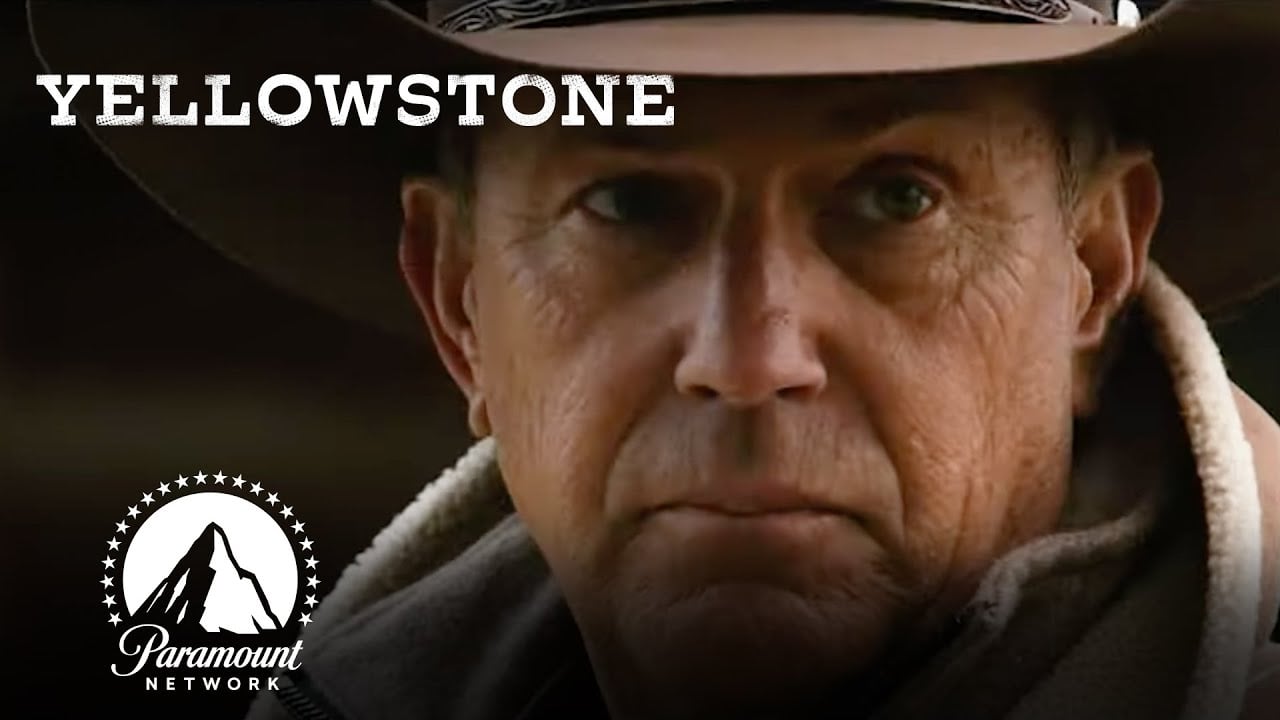
Yellowstone is back in court, but this time the drama is off-screen. A new federal lawsuit accuses creator Taylor Sheridan, Paramount, and NBCUniversal of building the hit series on a concept allegedly lifted from an earlier pitch called Sovereign Nation, escalating long‑running tensions over how Hollywood handles unsolicited ideas.
The suit was filed by Lauren J. Salkin, an entertainment journalist and TV writer who says she submitted a pilot script and additional materials for Sovereign Nation to Sheridan’s production company in 2016 and 2017. According to the complaint, her show centered on conflicts between a powerful ranching family and neighboring Native American tribes, with themes of land control, corruption, and intergenerational power struggles—story DNA she argues later surfaced in Yellowstone. Salkin claims that within months of her submissions, Paramount greenlit Sheridan’s series, which went on to premiere in June 2018, and now seeks an injunction against continued exploitation of Yellowstone plus a share of its profits and unspecified damages.
Yellowstone, co‑created by Sheridan and John Linson, has become one of television’s defining modern Westerns, transforming Paramount’s cable footprint and spawning multiple spinoffs. Sheridan parlayed that success into a sprawling TV universe that includes series like 1883, 1923, and the oil‑industry drama Landman, alongside a broader slate of film and television projects. The new lawsuit effectively argues that the foundation of that empire was built on misappropriated material, a serious allegation in an industry that routinely invites pitches, spec scripts, and early drafts from writers trying to break in.
This is not Sheridan’s first legal entanglement tied to his growing media footprint. In late 2023, his ranch‑based brand Bosque Ranch sued Yellowstone star Cole Hauser’s coffee company, Free Rein, in federal court in Texas, alleging that Free Rein’s intertwined “FR” logo was confusingly similar to Bosque Ranch’s “BR” mark and amounted to trademark infringement, unfair competition, and false advertising. The complaint sought profits from Free Rein and the destruction of all products and marketing using the contested logo, but the case was voluntarily dismissed with prejudice a few months later, closing the door on refiling.
Sheridan’s work has also attracted outside copyright scrutiny. In 2025, the company that controls famed broadcaster Paul Harvey’s intellectual property sued Paramount in New York federal court over a 90‑second clip from Harvey’s radio segment The Rest of the Story that was used in the season finale of Landman without permission. The suit argues that the excerpt, taken from Harvey’s 2009 “Gas Crisis” episode, was edited in a way that distorted his views on government energy policy, adding a layer of reputational concern to the usual copyright claims. Separately, Paramount‑related entities have pursued knockoff Yellowstone merchandise sellers in court, securing statutory damages in at least one case alleging trademark violations tied to replica products and confusing online branding.
For writers and fans, Salkin’s filing taps into a long‑standing fear: that pitching a show to a powerful producer risks having your concept absorbed into something bigger without credit or compensation. U.S. copyright law generally protects specific expression—scripts, characters, detailed plotlines—more strongly than broad ideas, which means these cases often hinge on how closely the works line up on the page and screen. If the court finds substantial similarity between Sovereign Nation and Yellowstone beyond shared genre tropes, the suit could become a notable test case for how far TV creators can go when transforming pitches into blockbuster franchises.
The timing also adds intrigue. Sheridan has already begun pivoting away from Paramount, with major deals in place to produce films for NBCUniversal starting in 2026 and television shows for the company beginning in 2029, while his existing agreement with Paramount runs through 2028. As Yellowstone heads toward its long‑delayed final episodes and Sheridan’s next wave of projects ramps up, the new lawsuit threatens to shadow both his exit from Paramount and the future of his sprawling Western universe. For now, the complaint marks another chapter in the increasingly litigious world orbiting Yellowstone, and all eyes will be on how the courts sort out where inspiration ends and infringement begins.


