In survival situations, the ability to build and light a fire can make the difference between life and death. You can use fire to purify water, sterilize bandages, signal for rescue, drive animals from their homes, efficiently modify the landscape, smoke and preserve food, softening tar for adhesives, making charcoal for medicinal purposes, and provide…
Category: Survival
How to tie knots – complete rope knots tying guide – their use and how to tie them.
Survival sewing – complete guide to sewing and repair in the wilderness.
The ultimate guide to splices and whippings (used to splice ropes together).
It is not uncommon, especially in a wilderness survival situation where you possess limited supplies, to encounter situations where a longer length of rope is needed. Rope splices are used to splice shorter lengths of rope together to form a single, larger length of rope. Good rope splices hold tight without impacting the natural shape…
All about hitches (knots used to tie rope to another object).
How to tie lashings (ropework) – construction lashings and their use when building structures.
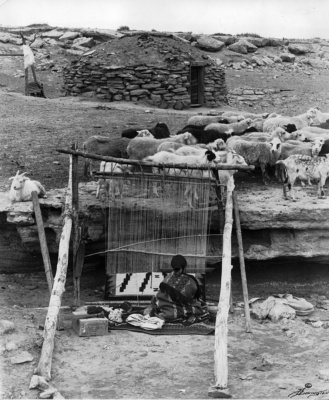
Weaving can be used to create mats, tarps, blankets, and more in a survival situation. All about weaving, mats, and looms in the wilderness.
About survival weaving Weaving takes yarns or threads and forms them as fabric or cloth. The process differs from knitting, crocheting, felting, and braiding or plaiting. All elements of rope work incorporate weaving or interlocking of strands by passing over and under each other. On a smaller scale, weaving can be used in the wild…
Stop ending your rope with a knot. Here’s how to create fancy but functional endpoints (plaits) for ropes.
Palestinian viper – how to identify, avoid their habitat, and treatment for their bite.
Palestinian viperVipera palaestinae Description: Olive to rusty brown with a dark V-shaped mark on the head and a brown, zigzag band along the back. Characteristics: The Palestinian viper is closely related to the Russell’s viper of Asia. Like its cousin, it is extremely dangerous. It is active and aggressive at night but fairly placid during…
Mole viper or burrowing viper – how to identify, avoid their habitat, and treatment for their bite.
Mole viper or burrowing viperAtracaspis microlepidota Description: Uniformly black or dark brown with a small, narrow head. Characteristics: A viper that does not look like one. It is small in size, and its small head does not indicate the presence of venom glands. It has a rather inoffensive disposition; however, it will quickly turn and…