
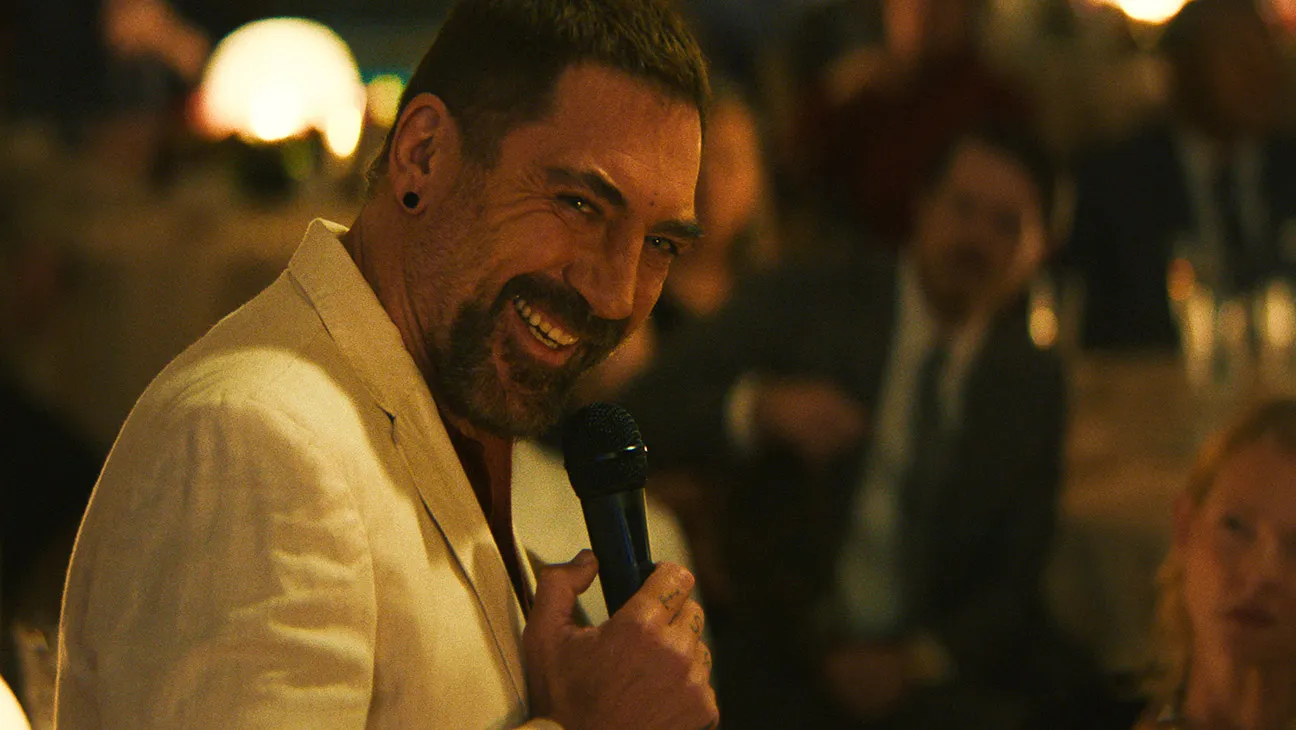
Apple TV+ is diving back into the deep end of 1990s thriller nostalgia with a new Cape Fear series, and critics are already circling in a good way. The psychological crime reboot, inspired by the 1991 Martin Scorsese film that starred Robert De Niro, has premiered on the streamer with a strong early score on Rotten Tomatoes, signaling that Apple’s latest genre swing may have landed.
The new show reimagines the tense cat-and-mouse dynamic that made Scorsese’s Cape Fear a modern classic: an ex-convict obsessed with the lawyer he blames for his imprisonment, a family under siege, and a small town slowly suffocating under paranoia and moral rot. While the original concept traces back to the 1962 film starring Gregory Peck and Robert Mitchum, it was the 1991 remake — with De Niro’s tattooed, Bible-quoting Max Cady and Nick Nolte as the rattled defense attorney — that embedded itself in pop culture and earned multiple Oscar nominations. The Apple TV+ version arrives more than three decades later, updating the premise for a streaming audience raised on prestige TV and true-crime podcasts.
According to early coverage from outlets including ScreenRant, the series has debuted with a notably strong Rotten Tomatoes score, putting it in “must-watch” territory for thriller fans who track the aggregator closely. While the exact percentage may fluctuate as more reviews roll in, the consensus so far points to sharp writing, tense atmosphere, and performances that justify revisiting a property already adapted twice on the big screen. In an era where remakes are viewed with suspicion by default, getting critics on board out of the gate is a significant win.
For Apple TV+, Cape Fear fits neatly into a growing stable of dark, character-driven thrillers that includes shows like Severance, Defending Jacob, Black Bird, and Shining Girls. The platform has quietly become a home for bleak, prestige-adjacent genre pieces that favor slow-burn dread over jump scares, and a recognizable title like Cape Fear gives that strategy a familiar hook. It also taps into a larger industry trend: taking adult-oriented films from the late ’80s and ’90s and unpacking them as serialized dramas, as seen with adaptations and spinoffs like Fatal Attraction and Clarice.
What makes Cape Fear especially ripe for television is its baked-in tension between justice and vengeance. The original story has always lived in the grey: the lawyer protagonist is not innocent, the system is complicit, and the villain weaponizes both legal loopholes and moral hypocrisy. Stretched across multiple episodes, those ideas can be explored through multiple perspectives — the family, the town, the legal system — rather than just the lawyer-vs-stalker dynamic that dominated the films. In a post–“prestige TV” landscape, audiences are used to inhabiting uncomfortable perspectives, and a series has room to dig into how a community responds when the line between victim and perpetrator starts to blur.
For longtime fans of the De Niro film, the new version will inevitably spark comparisons: does it echo the expressionistic, almost horror-inflected style Scorsese brought to the 1991 remake, or does it go for a colder, more procedural edge? The strong early Rotten Tomatoes response suggests that, at minimum, the creative team isn’t simply re-staging famous moments — the boat, the tattoos, the Southern-gothic sermons — but trying to translate the story’s core anxieties into a 21st-century context. As more viewers discover the series on Apple TV+ in the coming weeks, expect plenty of discourse about whether this latest revival justifies itself in a crowded field of remakes, or even earns a place alongside De Niro’s snarling turn in the thriller hall of fame.


