
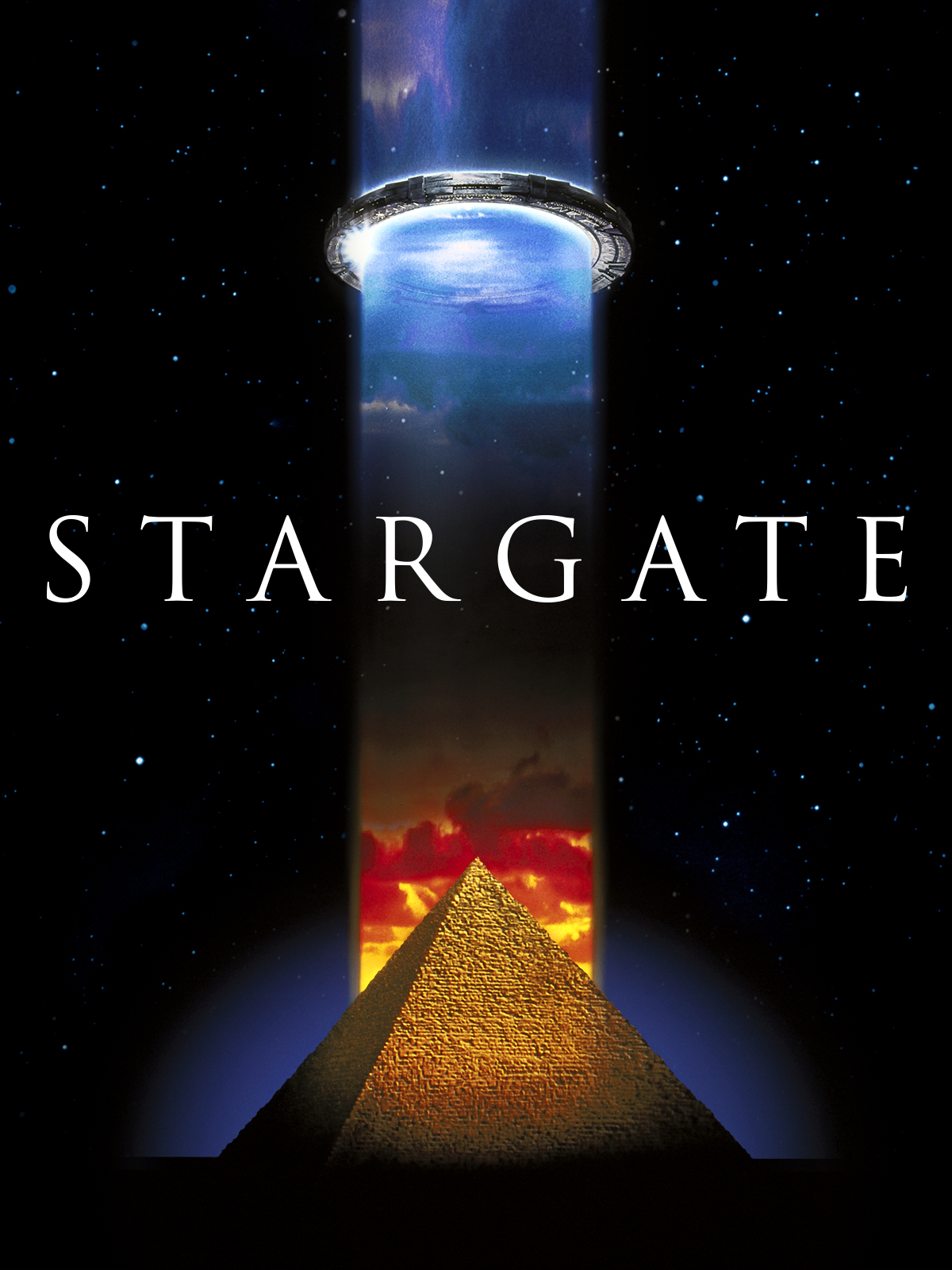
Stargate’s long-awaited return to television has hit another brick wall. According to a report first highlighted by Polygon, Amazon’s Prime Video has scrapped a new Stargate series being developed by veteran producer Martin Gero after executives decided his pitch leaned too hard into existing canon to attract viewers beyond the franchise’s established fanbase.
Gero, who worked on both Stargate Atlantis and Stargate Universe, revealed in November that he had been tapped as showrunner for a new series set in the same continuity as the three live-action shows and original film trilogy, rather than a clean-slate reboot. He announced the project in a video conversation with the operators of prominent Stargate fan sites, emphasizing that he was making a show “for the fans” and drawing heavily on nearly three decades of lore. That fan-first stance reportedly set off alarms at Amazon, with Variety reporting that executives worried the concept would not play with a broader Prime Video audience unfamiliar with Goa’uld, Ancients, or the SGC.
The decision lands at an especially sensitive moment for the franchise. Since acquiring MGM in 2022, Amazon has been openly interested in exploiting its big sci-fi IP, and Stargate has long been seen as a prime candidate for revival. For years before the buyout, original co-creator Brad Wright had been developing a new continuation project, one he has said stalled out in the corporate reshuffle as Amazon reassessed how to relaunch the brand. Fans had hoped Gero’s series signaled that a canon-forward approach—honoring SG-1, Atlantis, and Universe rather than replacing them—had finally won out after a decade-plus in the wilderness.
Instead, the reported cancellation underscores an ongoing tension at the heart of modern genre franchises: how much a new project should cater to the hardcore faithful versus courting a mass audience that may only know the logo. Scholars of geek and fan culture have traced how properties once defined by tight-knit, participatory communities have been absorbed into mainstream corporate entertainment, creating friction between the expectations of long-time fans and the commercial imperatives of studios. As geek culture has moved from the convention hall to the center of pop culture and blockbuster cinema, studios have become increasingly focused on “four-quadrant” appeal, sometimes at the expense of dense continuity or deep-cut callbacks that reward long-term engagement.
Gero’s plan, at least as he framed it to fans, fell squarely on the side of continuity. Rather than rebooting the original 1994 film or retelling the story of the Stargate program, his series was positioned as another chapter in an ongoing universe that already spans hundreds of television episodes and several films. For long-time viewers who have been rewatching SG-1 on streaming for years, that promise of a true hand-off from the classic era was the entire appeal. For an executive worrying about onboarding viewers who have never met Jack O’Neill or Samantha Carter, it is an onboarding nightmare.
For now, Amazon is reportedly still interested in doing something with Stargate, just not Gero’s version. No alternative series or film has been officially announced, and there is no clear sign that Wright’s shelved concept is back in the mix. In the absence of a green light, the franchise remains in limbo: a massive sci-fi sandbox with an eager global fanbase, waiting for a corporate strategy that can reconcile those fans’ desire for a living, continuous universe with the platform’s hunger for the next big, broadly accessible hit. Until someone at Amazon finds a pitch that satisfies both, the Stargate stays shut.


