
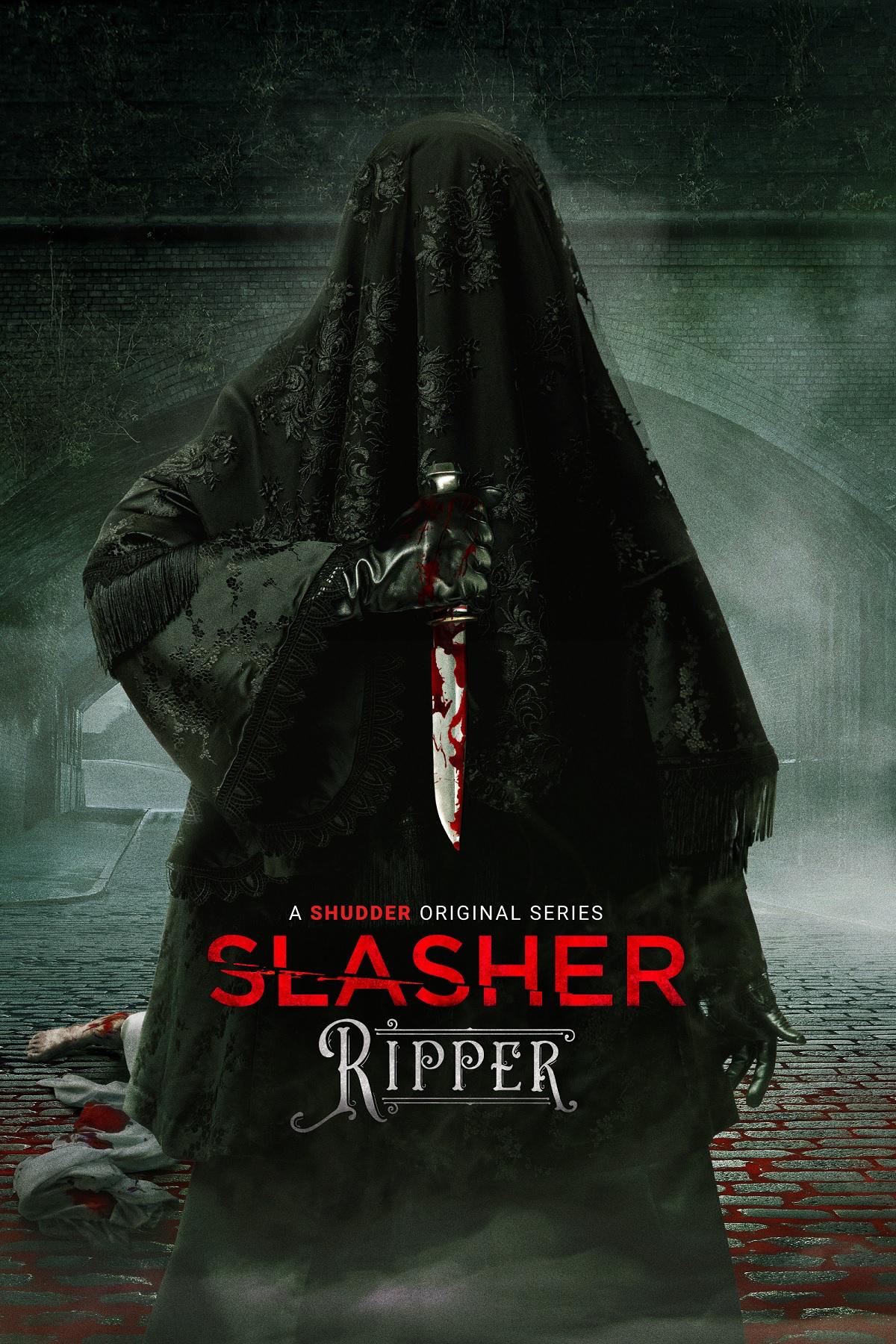
For horror fans who thought Mike Flanagan’s The Haunting of Hill House was brilliant but a little too restrained, Netflix has a far nastier alternative waiting in the wings. As highlighted by ScreenRant, the Canadian anthology series Slasher has quietly become one of the most brutally violent, unapologetically R‑rated horror shows on streaming — and across its five self-contained stories, it makes Hill House’s ghostly trauma look downright polite.
Flanagan’s The Haunting of Hill House helped redefine modern TV horror with its emotional focus, long-take bravura, and slow-burn dread; its follow-up, The Haunting of Bly Manor, leaned even harder into gothic romance. Those series are sad, literary ghost stories about grief, addiction, and generational trauma wrapped in supernatural scares. Slasher, by contrast, comes from the opposite direction of the genre: it is proudly mean‑spirited, obsessed with inventive kills, and far more interested in punishing awful people than healing their wounds.
Created by Aaron Martin, Slasher premiered in 2016 and structures itself like a string of feature-length slasher movies stretched into seasonal arcs. Each season is a standalone mystery about a masked killer stalking a specific, tightly drawn community. Season 1, “The Executioner,” plays like a small-town giallo, with a hooded killer meting out Seven-style “sins” punishments. “Guilty Party” strands a group of former camp counselors in a remote winter retreat as their buried crime comes back to literally dismember them. “Solstice” attacks an apartment complex full of online toxicity and performative activism, weaponizing social media and mob justice. Later installments — “Flesh & Blood” and “Ripper” — go even harder, from a sadistic inheritance game for a monstrously rich family to a Victorian-era hunt for a Jack the Ripper–style murderer in a city rotting with class hatred.
What really separates Slasher from Flanagan’s work is tone and target. Where Hill House wants you to empathize with a broken family, Slasher stacks the cast with hypocrites, abusers, bigots, and garden‑variety awful people, then turns the screws until you’re half‑rooting for the masked maniac. The violence is graphic and often shockingly creative, pushing well past what even premium cable allowed a decade ago. It frequently feels closer to an ’80s video‑nasty revamp — or to FX’s American Horror Story stripped of camp and played straight — than to Netflix’s more prestige‑minded haunts. That gleeful, grindhouse edge is exactly what makes it feel darker and more vicious than Flanagan’s elegant ghost sagas.
Despite that extremity, Slasher shares DNA with the broader tradition of boundary‑pushing TV horror. Early genre shows like Rod Serling’s original The Twilight Zone smuggled social commentary past censors using sci‑fi parables and twist endings. Slasher updates that legacy with a splatter‑film sensibility: each season builds its mystery around a theme — religious fanaticism, true‑crime voyeurism, wealth hoarding, misogyny — and then literalizes that critique through the killer’s methods. It may be pulpy and vicious, but it is not mindless; the show’s nastiness is often pointed, taking aim at the kinds of systemic cruelty that prestige drama would treat more delicately.
Availability can be a little confusing, because Slasher has hopped platforms over the years, but Netflix carries multiple seasons in many regions, making it an easy next step for anyone who binged Hill House and wants something bloodier. While Flanagan has since moved on from Netflix to other projects, the streamer’s horror bench still runs deep, and Slasher is its most unapologetically hard‑R option: five compact, bingeable “parts,” each a self-contained mystery that starts with a body on the floor and rarely lets an episode pass without adding another. If Hill House is prestige horror comfort food, Slasher is the spiked, poisonous dessert you order when you’re ready for TV horror to stop being nice and start drawing serious blood.


