
As soon as the words “AAA,” “open world,” and “Game of Thrones” collide in the same sentence, you can practically hear PC fans and console diehards across the Seven Kingdoms collectively unsheathing their virtual Valyrian steel. A recent ScreenRant feature captured what many genre fans have been saying for years: George R. R. Martin’s sprawling world feels tailor‑made for a modern, big‑budget role‑playing epic that lets players forge their own bloody path through Westeros.
It’s not that Westeros has never made it to game consoles and PCs. Cyanide Studio’s 2012 Game of Thrones RPG tried to deliver a story‑driven adventure set alongside the HBO series, but it landed with mixed reviews thanks to clumsy combat and dated production values, even as some critics praised its twisty narrative and willingness to explore the setting’s darker corners. Telltale Games followed in 2014 with its narrative series Game of Thrones: A Telltale Games Series, focusing on the embattled House Forrester and leaning heavily into tough moral choices, branching dialogue, and the studio’s signature “your choices matter” hooks. Both efforts proved there’s an appetite for inhabiting Martin’s world interactively, but neither aimed to be the kind of systemic, open‑world sandbox fans now associate with the term “AAA RPG.”
That gap looms especially large in the current landscape. The bar for fantasy role‑playing has been raised dramatically by games like CD Projekt Red’s The Witcher 3: Wild Hunt, FromSoftware’s Elden Ring, and Bethesda’s The Elder Scrolls V: Skyrim, all of which marry sweeping landscapes with deep questlines and robust character progression. ScreenRant’s piece notes how The Lord of the Rings has long been the genre’s template, and that extends to games as well: Monolith’s Middle-earth: Shadow of Mordor and its sequel successfully turned Tolkien’s lore into slick open‑world action, complete with the now‑famous Nemesis system that generated emergent rivalries with orc captains. For many Game of Thrones fans, the dream is a Westerosi equivalent—something with the player‑driven freedom of The Witcher, the political intrigue of Crusader Kings, and the brutal, consequence‑heavy storytelling that made the HBO series a phenomenon.
The raw material is certainly there. Martin’s A Song of Ice and Fire novels and HBO’s Game of Thrones adaptation span multiple continents, factions, and centuries of history, from the ancient mysteries of the Children of the Forest to the War of the Five Kings and beyond. An open‑world RPG could, in theory, let players swear fealty to a great house, rise from lowborn nobody to lord or outlaw, sail to Essos as a sellsword, or even join the Night’s Watch and defend the Wall against wildlings and White Walkers. Strategy fans have already had a taste of that political maneuvering in Paradox’s officially licensed Crusader Kings II mod A Game of Thrones, a fan project so popular and polished that it’s often cited as one of the best ways to “role‑play” Westeros in game form. What’s missing is a fully sanctioned, big‑budget project that blends that dynastic scheming with moment‑to‑moment exploration and combat.
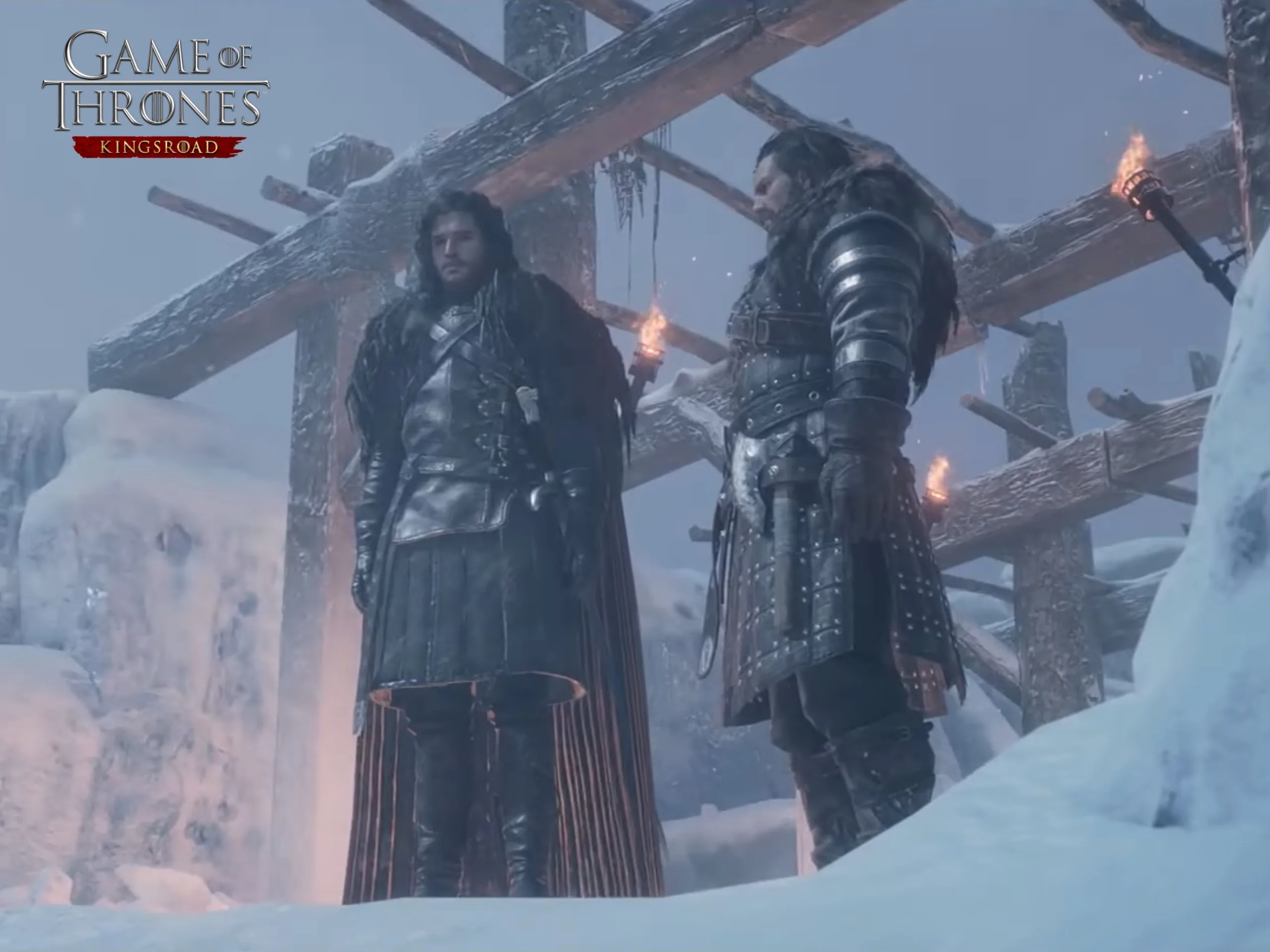
Complicating things is the franchise’s somewhat uneven history with licensed games beyond the core RPG attempts. Mobile titles like Game of Thrones: Conquest and the now‑shuttered Game of Thrones: Ascent dove into free‑to‑play territory, while experiences such as Game of Thrones: Winter Is Coming offered browser‑ and PC‑based strategy spins on the IP. There have even been virtual reality experiments like Game of Thrones: Beyond the Wall, a location‑based experience built for theme parks. These projects kept the brand visible but rarely scratched the itch for a full‑fledged, story‑rich RPG where you live and die by your choices in a persistent world.
That’s why the mere idea of a “AAA open‑world Game of Thrones RPG” keeps resurfacing across fan forums and thinkpieces, even in the absence of an official announcement from HBO, Warner Bros. Discovery, or a specific studio. When Martin worked with FromSoftware on Elden Ring, some fans half‑jokingly treated the collaboration as a dry run for a potential Westeros project. Meanwhile, the success of prequel series House of the Dragon has proven that audiences are still hungry for stories set in this universe, and it offers fertile ground for a game set during the Targaryen civil war known as the Dance of the Dragons. With fantasy role‑playing enjoying a mainstream boom and publishers constantly chasing recognizable IP, the scenario ScreenRant describes feels less like an outlandish wish and more like an inevitability waiting for the right developer, budget, and pitch. Until that raven finally arrives, the dream of riding across the Kingsroad in a fully realized Westeros remains one of gaming’s most tantalizing “what ifs.”


