
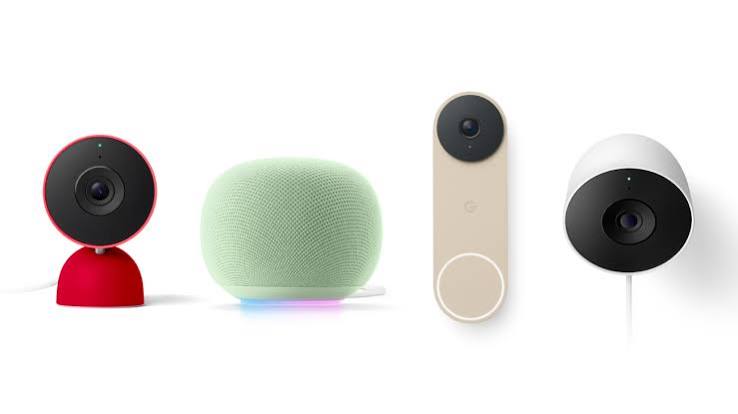
Google is rebooting its original smart speaker line with an all-new Google Home, a $100 device that pairs 360-degree audio with much tighter integration of the company’s Gemini AI. As first spotlighted by Engadget, the new hardware marks Google’s clearest move yet to bring its generative AI assistant out of phones and browsers and into the center of the living room.
On the hardware side, the new Google Home is built to fill a room rather than just sit politely on a shelf. A circular driver array is designed to push sound in every direction, so music and podcasts don’t disappear the moment you step out of the “sweet spot.” At this price point, the speaker is aimed squarely at people who want a noticeable upgrade from a puck-sized smart speaker without jumping to full-on audiophile gear. You can expect the usual far-field microphones tuned for across-the-room voice pickup and a physical control to mute the microphones entirely for anyone who prefers their AI helper on a leash when not in use.
The real shift is in software. Instead of leaning solely on the classic Google Assistant playbook of timers, weather checks, and simple commands, the new Google Home is built around Gemini, the company’s generative AI system. That means more conversational, context-aware interactions—asking for a week’s worth of dinner ideas based on what’s in your pantry, having the speaker summarize your day’s calendar, or getting step-by-step help on a recipe without rephrasing your question five different ways. Deeper Gemini hooks also mean tighter links into Google services: think follow-up questions about a YouTube Music playlist you’re listening to or more natural control over smart home routines you’ve configured in the Google Home app.
For Google’s smart home strategy, this speaker is doing double duty: it’s a replacement for aging first-gen Google Home hardware and a testbed for what a Gemini-powered home assistant looks like in practice. The $100 price drops it into direct competition with midrange devices like Amazon’s Echo line and Apple’s HomePod mini, but Google’s bet is that a more capable AI brain will be a bigger draw than raw speaker wattage. If Gemini can consistently handle multi-step requests—“dim the lights, start the movie, and turn on Do Not Disturb on my phone” in one go—it could give Google back some of the smart home mindshare it ceded while Amazon ran up the score on Echo hardware variety.
For geeks already invested in the Google ecosystem, the new Home has obvious appeal. As a Chromecast target and voice remote for TVs, it can slot in as the central control hub for a living-room setup, while still handling the usual day-to-day assistant tasks like reminders, shopping lists, and smart device control. For home-automation tinkerers, deeper AI on the speaker side could make elaborate routines less of a spreadsheet exercise and more of a natural-language conversation with your house. And because this is Google, long-term support will likely lean heavily on software updates, meaning Gemini’s capabilities on the speaker should evolve over time instead of freezing on day one.
The all-new Google Home is available at launch for around $100, with Google positioning it as the default “first” smart speaker for people who want something more capable than a tiny desk companion but aren’t ready to buy into a full multi-room audio ecosystem. If Google can deliver consistently useful Gemini-powered interactions—without turning everyday queries into AI gimmicks—it may have finally found a smart speaker pitch that stands out in a market dominated by Echo cylinders and minimalist HomePods.


