
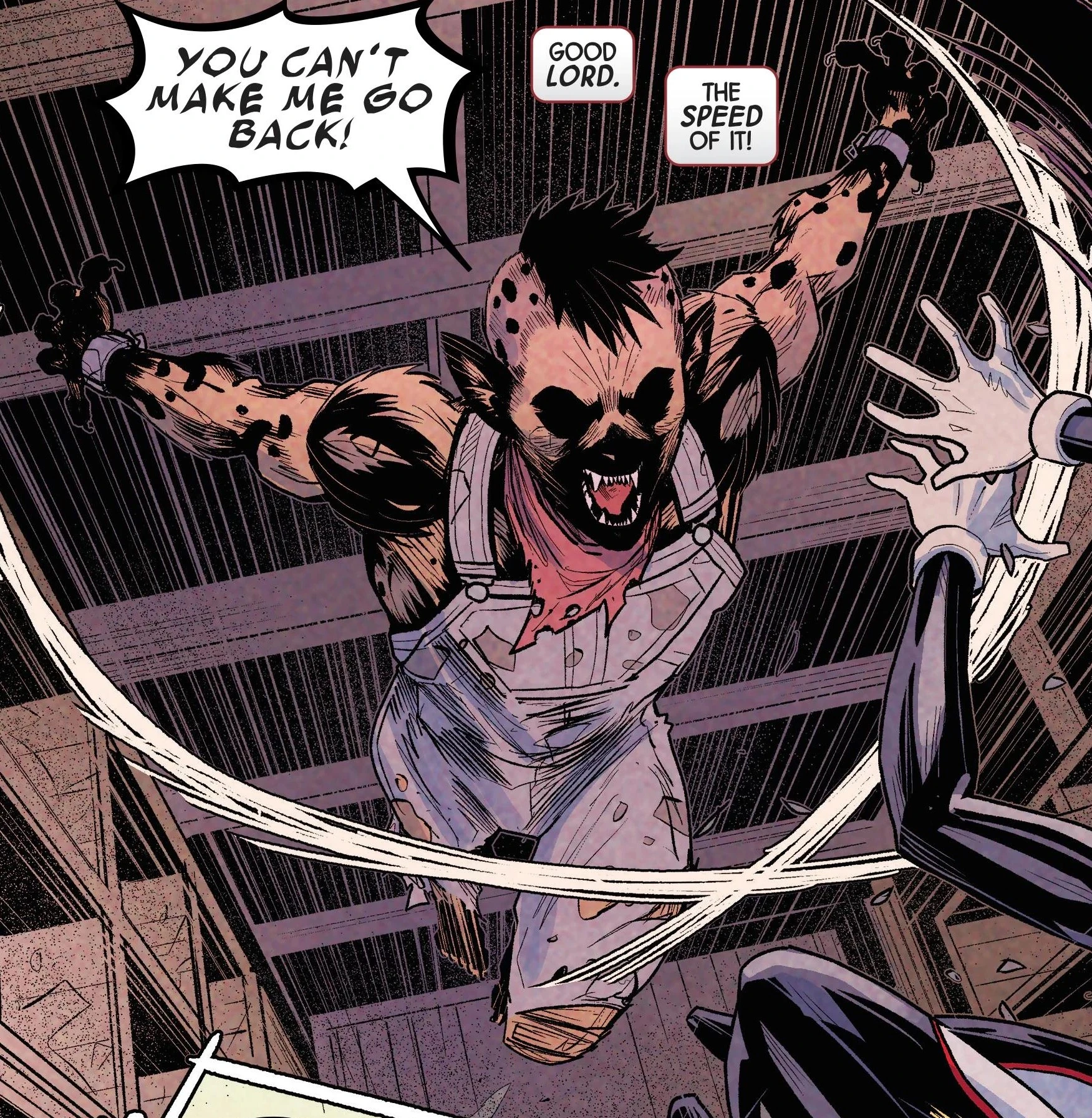
Marvel has quietly added a new face to the X-Men’s ever-rotating student body, a young mutant codenamed Howler who is already being positioned as the next breakout favorite among readers. Introduced as a fresh recruit rather than a veteran superhero, Howler follows in a long line of young mutants who first appeared as wide-eyed students before graduating into the front lines of Marvel’s mutant mythology. With a memorable codename and a spotlight role in a flagship X-book, Howler looks designed to hook both long-time readers and newer fans raised on the current wave of X-Men media.
Framing Howler as a student taps directly into one of the core ideas that has defined the X-Men since their earliest appearances. The original team—Cyclops, Marvel Girl, Iceman, Beast, and Angel—were created as teenagers under the guidance of Professor Charles Xavier, balancing class time with combat training as they learned to survive in a world that feared their powers. That student-to-hero arc became a template for the franchise, turning the X-Men into a metaphor-laden school story as much as a superhero book, and it continues to inform how Marvel introduces new mutants today.
Over the decades, that approach has produced some of the most enduring characters in the line. Kitty Pryde joined the X-Men as a nervous kid from the suburbs and evolved into a hardened pirate captain, ninja, and team leader across multiple eras of the comics. Jubilee leapt off the page as a mall rat firecracker in the late 1980s and 1990s, later reinvented as a vampire and adoptive mother while still retaining her core appeal as the eternal teenage mutant. Laura Kinney, originally X-23, transitioned from a weaponized clone of Wolverine into one of Marvel’s most prominent young heroes and even took on the Wolverine mantle herself, while Monet St. Croix moved from Generation X standout to a recurring player in multiple X-books. Placing Howler at the student level hints that Marvel sees similar long-term potential in the character.
The choice of the codename Howler also carries some interesting baggage inside Marvel continuity. An earlier, largely forgotten character with the same moniker—Louis “Luke” Garrow—appeared in the retro-styled series Marvel: The Lost Generation as a feral, moonlight-triggered creature aligned with the First Line, operating decades before the modern X-Men era. That earlier Howler was more monster than student, a violent figure tied to werewolf lore and Skrull technology rather than school corridors and Danger Room drills. By attaching the name to a young X-student instead, Marvel appears to be reclaiming and remixing an obscure codename for a new generation, something the publisher has done before with identities like Phoenix, Captain Marvel, and even Wolverine.
For fans, the introduction of Howler signals that Marvel is once again investing in a next class of mutants rather than relying solely on the classic lineup. New students give writers room to explore contemporary fears and anxieties—everything from social media and surveillance culture to the politics of Krakoan nationhood—through characters who are still figuring out who they are. Whether Howler becomes the next Kitty Pryde or Jubilee will depend on how strongly readers respond and how future creative teams choose to develop the character, but the X-Men’s history suggests that today’s “new kid” can easily become tomorrow’s franchise cornerstone.


