
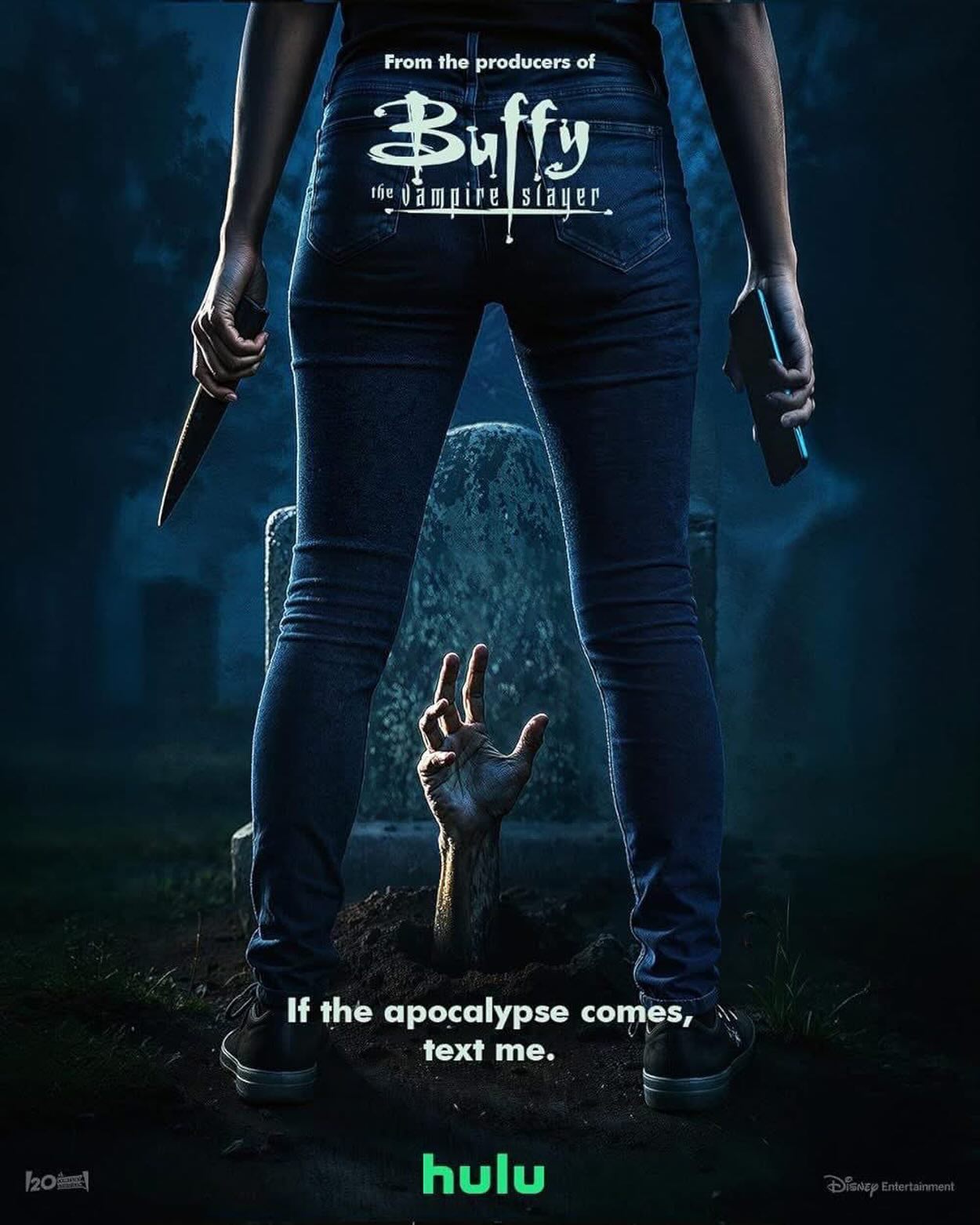
For Buffy the Vampire Slayer fans, 2026 has turned into a master class in how even a seemingly bulletproof revival can vanish overnight. In March, original star Sarah Michelle Gellar went directly to Instagram to confirm that Hulu was walking away from Buffy the Vampire Slayer: New Sunnydale, a filmed pilot that would have introduced a new chosen one while bringing back Buffy in a supporting mentor role. The project, overseen by Oscar-winning filmmaker Chloé Zhao and starring Ryan Kiera Armstrong as the next Slayer, was reportedly far enough along to have completed principal photography when the streamer abruptly decided not to move forward. Now, a new feature at Polygon built around an interview with original cast member Seth Green marks one of the first times a Buffy veteran has publicly engaged with the messy circumstances surrounding the cancellation, underscoring how opaque the decision still looks even to people close to the franchise.
New Sunnydale was pitched not as a hard reboot but as a sequel series set years after the events of the original WB/UPN show, with Gellar’s Buffy Summers stepping into a more seasoned, watcher-adjacent role for a new generation. Armstrong, previously seen in American Horror Story: Red Tide and Star Wars: Skeleton Crew, was unveiled in 2025 as the face of that new era, with outlets describing her character—later revealed to be named Nova—as a contemporary teen Slayer stepping into Buffy’s long shadow. First-look images shared by Armstrong around the time of the cancellation gave fans a brief glimpse of Nova’s updated Slayer aesthetic, only to become instant relics once word broke that Hulu had killed the series. With Zhao—whose credits include Nomadland and Marvel’s Eternals—set as showrunner, the project carried an unusually prestigious creative pedigree for a genre revival, which only amplified the shock when it was shelved.
Initial announcements framed the cancellation as a simple case of a pilot not making the cut, but subsequent reporting has painted a far more turbulent picture behind the scenes. Trade coverage sourced to insiders indicates that after the original pilot script by Nora and Lilla Zuckerman was shot, Hulu executives deemed the episode “too young” in tone and “too small” in scope for what they wanted a modern Buffy to be, prompting significant rewrites and reworking. Even after those changes, Disney Television Group president Craig Erwich—who oversees Hulu originals—is said to have been unconvinced, ultimately deciding that New Sunnydale would not proceed to series. Some sources point to escalating production costs, while others argue the pilot simply never rose to the legacy expectations around Buffy, with one report describing it as fundamentally unsalvageable in the eyes of decision-makers, even as cast and crew believed later drafts had brought it much closer to the mark.
Gellar’s own follow-up comments added a human face to those tensions. In interviews and social posts after her initial announcement, she referenced a specific producer whose involvement she described as a persistent obstacle during development and production, though she stopped short of naming names. Industry analysis has widely linked those remarks to the executive authority that ultimately passed on the show, noting that the decision-maker in question reportedly took pride in never having watched the original Buffy—a detail that landed poorly with a fandom deeply invested in the franchise’s history. Esquire and other outlets have highlighted how this disconnect between corporate perspective and fan expectations became a flashpoint, turning New Sunnydale’s cancellation into a broader referendum on how streamers handle beloved genre IP in the age of constant “legacyquel” attempts.
Polygon’s new piece, centered on a conversation with Seth Green—who played laconic werewolf Oz on the original series—captures how even alumni are navigating the news largely as outsiders. The article notes that, five months after the cancellation, key creative figures and former cast members still do not have a definitive, unified explanation for why Hulu chose to bury a finished pilot rather than pursue reshoots or further rewrites. Green’s presence in the discourse matters symbolically: as one of the original “Scooby Gang,” his willingness to publicly acknowledge the situation reflects how the New Sunnydale saga has become part of the franchise’s ongoing story, even for actors who were not directly attached to the new production. The interview situates his comments alongside a wider wave of fan frustration and speculation, reinforcing just how unusual it is for a fully shot continuation of a cult phenomenon to disappear into a vault with so little transparency.
For now, the chances of ever seeing New Sunnydale appear slim. Reporting suggests Hulu has no plans to release the unaired pilot, and there is no indication that another platform is poised to pick up this specific iteration of the revival. Some coverage holds out the possibility that the Buffyverse could live again elsewhere down the line—Gellar herself has framed the door as not entirely closed—but any future attempt would likely involve rethinking the creative package from the ground up rather than simply rescuing Zhao’s version. In the meantime, Buffy continues in other media, from comics to novels, and in the long tail of streaming for the original series, whose blend of horror, teen drama, and quippy genre deconstruction still shapes how genre television is written today. New Sunnydale may never make it out of the crypt, but the uproar around its demise proves that, nearly three decades after Buffy first arrived in Sunnydale High, the Slayer’s cultural power is very much undead.


