
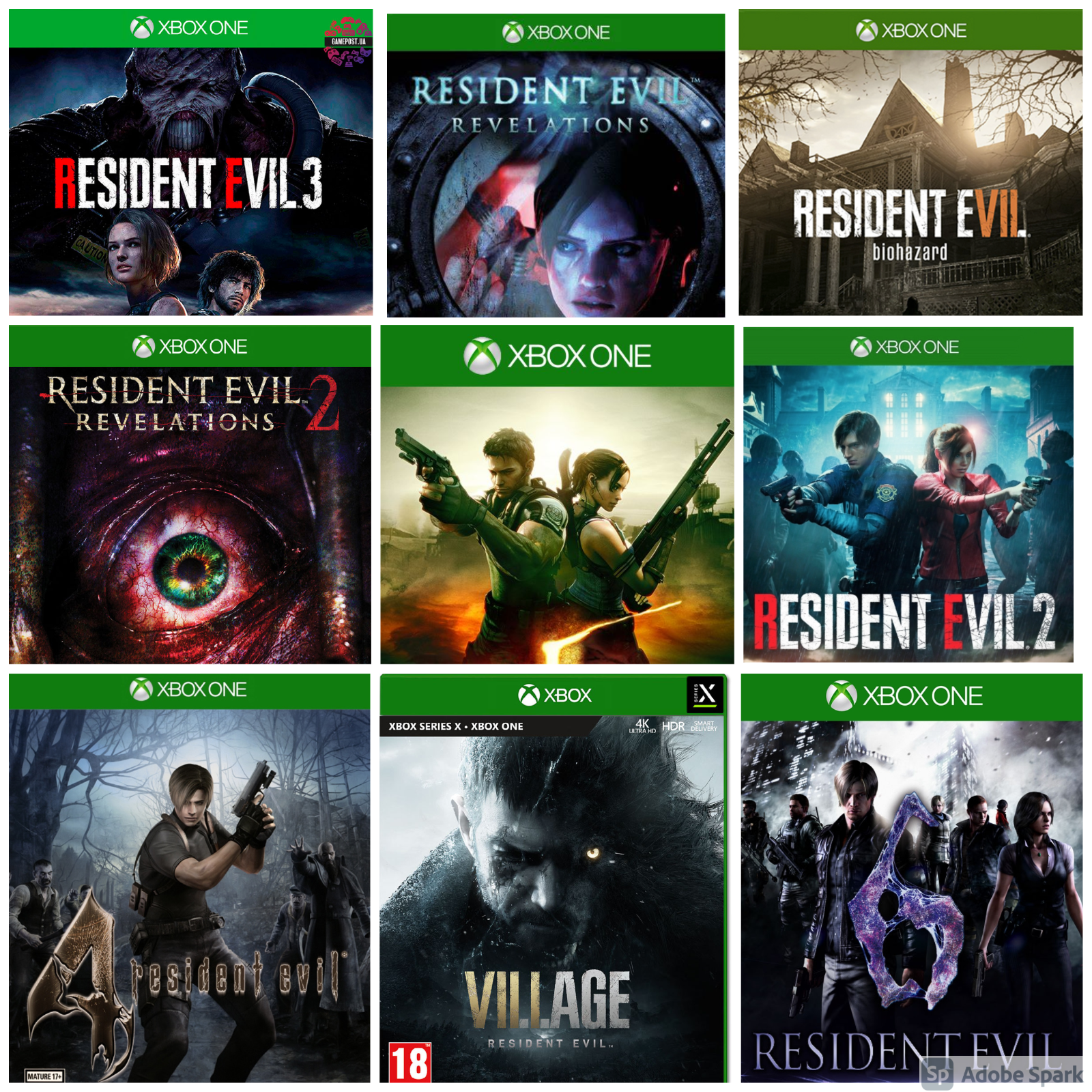
Capcom has quietly turned its modern Resident Evil reimaginings into a single box set, officially launching the Resident Evil Remake Trilogy collection as a digital bundle across current platforms. The package gathers the critically acclaimed remakes of Resident Evil 2, 3, and 4 along with extra modes and cosmetics, offering newcomers a streamlined way into the franchise’s modern era while giving lore-obsessed veterans a tidy home for the “remake continuity” ScreenRant has been dissecting.
The Remake Trilogy is pitched by Capcom as a “great value pack” that combines three major titles and multiple add-ons in one purchase. On PlayStation storefronts, the bundle specifically includes Resident Evil 2 Deluxe Edition, Resident Evil 3, the Resident Evil 3 – Classic Costume Pack, multiplayer spin-off Resident Evil Resistance, Resident Evil 4 Gold Edition, and the popular arcade-style The Mercenaries mode. Third-party coverage notes that the collection is available digitally on PlayStation 4, PlayStation 5, Xbox Series X|S, and PC via Steam, positioned at a premium-but-bundled price point for the amount of content included. Rather than a simple compilation, it functions as a curated slice of Capcom’s recent horror design philosophy, built around cinematic presentation and tight action-horror pacing.
The bundle also serves as a convenient marker for how dramatically Resident Evil’s remake era has evolved since 2019. After years of HD remasters for earlier entries, Capcom shifted gears with Resident Evil 2 (2019), Resident Evil 3 (2020), and Resident Evil 4 (2023), which fundamentally rework level layouts, character arcs, and even major story beats rather than simply upscaling assets. Community-driven resources like the Resident Evil Wiki describe these games as part of a distinct “Remake” continuity, a set of reimaginings that introduce new lore, redesign key characters, and sometimes create events that don’t neatly line up with the original “Prime” timeline. At the same time, those entries stress that the remakes are treated as “soft-canon,” with their ideas and art direction often feeding back into the broader series even when fine-grain details diverge from the 1990s originals.
Unsurprisingly, that approach has ignited years of fan debate over whether Capcom now effectively maintains two Resident Evil timelines: classic and remake. Long discussion threads and Q&A compilations point to comments from Capcom producers around the launch of Resident Evil 2 (2019), where the studio characterized these projects as “reimagined games” rather than hard reboots and suggested they do not formally overwrite the existing chronology. Many fans interpret that as evidence the originals and remakes coexist in a single overarching canon, with each retelling representing a different lens on the same events. Others, however, highlight resources like the community-maintained “Remake Timeline” and the overtly conflicting lore details as proof that, in practice, the remakes function as their own track, especially for players who choose to start with modern entries and never touch the PS1-era releases.
For anyone curious about where to jump in, timeline guides increasingly present two parallel “paths”: a classic route that runs through the 1996–2005 releases, and a modern route that begins with the remakes bundled in this new collection before moving into Resident Evil 7, Village, and beyond. The Remake Trilogy slots neatly into that modern path, giving players one purchase that covers the Raccoon City incidents and Leon’s European mission in their current-gen incarnations. Fan theory threads already speculate about what might come next—whether Code Veronica, Resident Evil 5, or even the original game will receive similar full-scale reimagining treatment—but those ideas remain speculative for now. In the meantime, this collection codifies Capcom’s remake philosophy into a single package, making it easier than ever for horror fans to experience the series as it exists in 2020s form, and to decide for themselves whether they’re living in one unified Resident Evil timeline or exploring a parallel, modernized nightmare.


