
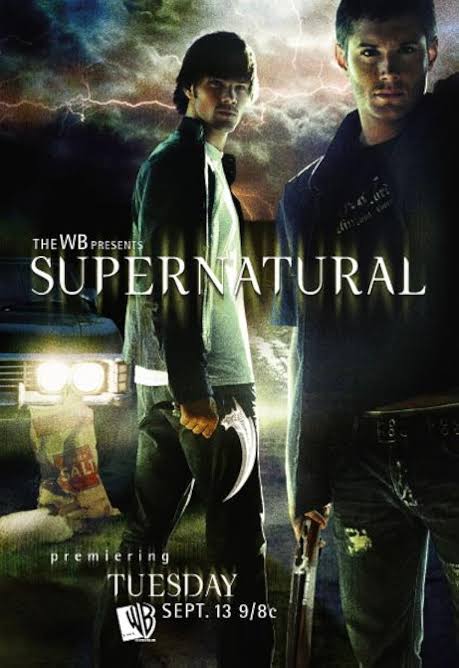
Six years after Supernatural signed off with season 15’s “Carry On,” the CW’s longest-running genre drama is still being dragged for one of TV’s most polarizing endings. Despite 327 episodes across 15 seasons and a fiercely loyal fandom, the finale has become shorthand for how not to wrap a beloved genre epic, routinely mentioned alongside Game of Thrones in lists of disastrous series enders. On sites like IMDb, “Carry On” sits near the bottom of the show’s episode rankings, a rare blemish on a series that otherwise maintained solid scores throughout its run. As ScreenRant recently revisited, the finale’s unpopularity hasn’t cooled with time—it’s arguably hardened into part of the show’s legacy.
The backlash erupted almost immediately after “Carry On” aired in November 2020, as long-time viewers flooded social media with anger, disbelief, and memes mourning what they saw as a wasted ending. The Daily Beast noted that many fans described the closer as “fum[ing]” and directly compared it to Game of Thrones’ reviled final chapter, signaling that this wasn’t just mild disappointment but full-on franchise betrayal. Critical write-ups from outlets like Knight Writers and TV Obsessed hammered the finale for abandoning core themes such as found family and free will, calling the last hour anticlimactic, emotionally hollow, and structurally confused. ScreenRant’s own breakdown of why so many viewers hated the finale pointed to a simple problem: after years of cosmic stakes, the last case felt shockingly small, and the emotional payoffs did not match the hype of a 15-year build.
Nothing enraged fans more than the way Dean Winchester dies—run through by a random vampire’s rebar in a routine barn raid, after spending seasons facing gods, archangels, and primordial horrors. For many, that mundane death read as a cruel joke on a character defined by his refusal to quit and his willingness to go out swinging against impossible odds. Critics argued that the scene flattened a decade and a half of development into a “stuff happens” accident, rather than a meaningful sacrifice or moment of growth. Collider highlighted how viewers were frustrated not just by Dean’s death, but by the rushed staging and the awkward epilogue that aged Sam with widely mocked old-age makeup, undercutting what should have been a bittersweet coda.
Equally damaging was who didn’t show up to say goodbye. Apart from Bobby Singer and a callback vampire from season 1, “Carry On” largely erased the extended family that defined Supernatural’s later years. Digital Spy argued the finale squandered a chance to correct longstanding issues by abruptly jettisoning women, characters of color, and key supporting players like the deaf hunter Eileen Leahy and fan-favorite angel Castiel, leaving their arcs dangling. That decision collided with more than a decade of queerbaiting complaints, culminating in Castiel’s late-series love confession to Dean in “Despair,” followed almost immediately by his removal from the story. Study Breaks and Subjectify Media both chronicled how queer fans felt strung along, seeing the confession as validation that was swiftly undone when Cas was killed off and vanished from the last two episodes. For many viewers, this combination—burying a queer character after a long-awaited admission and then sidelining him from the finale—cemented “Carry On” as not just narratively weak but actively hostile to a sizeable portion of the fandom.
There were real-world constraints, too, but they only partially softened the blow. As CBR later explained, the finale was shot under strict COVID-19 protocols, making large gatherings and big ensemble scenes impossible and forcing the production to deliver a stripped-down version of the original plan. Those limitations help explain why the last episode feels visually sparse and why so many familiar faces are conspicuously absent from Sam and Dean’s heavenly reunion. Yet even sympathetic critics argue that pandemic realities don’t fully excuse the narrative choices: the show still opted to center its ending on a low-stakes hunt, sideline major characters, and lean on a simplistic life-montage instead of the morally complex, myth-heavy storytelling that made Supernatural a cult institution. The result, in many fans’ eyes, is a finale that looks and feels smaller than the series it concludes, a mismatch that continues to fuel resentment years later.
Since 2020, the franchise has struggled to reckon with that fallout while cautiously teasing ways to rewrite it. ScreenRant has detailed how later canon and spinoff material, including the prequel series The Winchesters, effectively retcon Dean’s post-death status and suggest the brothers’ story isn’t as closed as “Carry On” implied. Another ScreenRant analysis argued that any future revival could address at least five major finale problems, from giving Dean a more fitting exit to restoring sidelined characters like Castiel and Eileen and offering a less heteronormative, more inclusive vision of Heaven. More recently, reports of a “Supernatural Reunion Project” promising a long-awaited conclusion in 2026 have circulated via entertainment aggregators, reflecting the persistent hope that the cast and creative team will eventually revisit the ending on-screen. Whether or not that project materializes, the ongoing critical essays, fan campaigns, and convention debates show that “Carry On” has become a permanent fault line in geek culture: a reminder that in long-running genre TV, how you say goodbye can define the story just as much as the years of monster hunts that came before.


