
In a study that sounds ripped from a biohacking sci-fi novel, researchers have shown that feeding worms a magnet-producing bacterium can extend their lives by more than 43% while keeping their brains and guts in better shape as they age. The key appears to be shutting down ferroptosis, a particularly destructive form of cell death driven by iron and oxidative stress.
The work comes from a team led by Prof. Xu An at the Hefei Institutes of Physical Science, part of the Chinese Academy of Sciences, using the nematode worm Caenorhabditis elegans as their testbed. Instead of the standard lab diet of E. coli OP50, the worms were fed a magnetotactic bacterium called Magnetospirillum magneticum AMB-1 (AMB-1), which naturally builds tiny magnetite crystals inside its cells. On this magnetic microbe diet, the worms’ average lifespan jumped by 43.39%, and aged animals showed better neurological function and more intact intestinal tissue compared with controls. Measurements in the Free Radical Biology and Medicine paper behind the study show that AMB-1 treatment cut the worms’ ferrous iron (Fe²⁺) levels by about 34% and lipid peroxide levels by more than 50%, pointing straight at a ferroptosis link.
Ferroptosis has been a rising star in aging and neurodegeneration research: it is a programmed form of cell death where excess iron fuels destructive lipid oxidation, shredding cell membranes from the inside out. In the AMB-1 worms, the researchers found that genes tied to ferroptosis were rewired in ways that counteract this process. Expression of ftn-1, which encodes ferritin—the cell’s iron-storage protein—was ramped up, helping lock away potentially harmful iron. At the same time, bli-3, the sole NADPH oxidase homolog in C. elegans that drives ferroptosis-linked reactive oxygen species, was dialed down, reducing oxidative damage. RNA interference experiments further fingered ads-1, encoding alkylglycerophosphate synthase, as crucial for the longevity boost, underscoring that AMB-1’s anti-aging effect is deeply wired into ferroptosis-related pathways rather than being a generic health tonic.
The idea that magnetism and aging might intersect isn’t entirely new, but this work pushes the concept into bizarre new territory. Earlier studies in worms found that static magnetic fields can either shorten or, at certain moderate intensities around 10 mT, extend lifespan and preserve mitochondrial health, hinting that magnetic environments can tweak longevity circuits. Magnetotactic bacteria like AMB-1 add another twist: they manufacture chains of magnetite “magnetosomes” inside their bodies and use them as built-in compasses, a trait scientists have already hijacked to create magnetic bio-nanoparticles for medical applications. One recent study showed that a magnetotactic bacteria-derived gene, Mms6, helped M2 macrophages form magnetic nanoparticles that prevented ferroptosis and improved locomotor recovery after spinal cord injury in mice, reinforcing the idea that magnetic microbes and ferroptosis are a potent combo in living systems.
For the worm study, that combination translates into what the authors describe as “healthy aging”: longer life paired with maintained neural function and gut integrity, not just extra days spent in decline. Outlets summarizing the work, including ScienceDaily and SciTechDaily, frame AMB-1 as a potential anti-aging microbial agent—essentially a magnet-powered probiotic that could someday be tuned to protect cells from iron-driven damage. But the researchers and outside commentators note that these results are still confined to a simple model organism with well-mapped genetics and a short life, and there is a long, tortuous road from keeping worms spry to safely manipulating ferroptosis in humans. Any future therapy would need to balance iron metabolism, immune responses, and microbiome stability, all while ensuring that magnet-producing microbes don’t introduce new risks.
Still, for anyone steeped in geek culture, it’s hard not to imagine the speculative futures this hints at: designer “magnetic microbiomes” that quietly guard our neurons, cyberpunk clinics offering ferroptosis-tuned probiotic stacks, or spacefarers relying on engineered magnetotactic bacteria to survive high-radiation environments. These scenarios remain firmly in the realm of science fiction for now, but studies like the AMB-1 work show that the building blocks—magnetic microbes, ferroptosis control, and microbiome engineering—are already emerging in real-world labs. The worms just got a 43% boost; the bigger question is how far humanity can—and should—push similar tricks on its own biology.
Image Credits
In-Article Image Credits
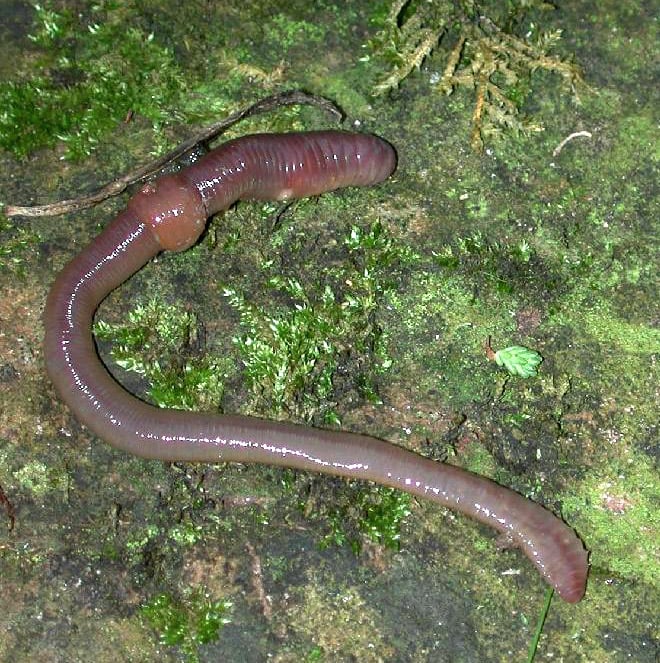
Ringed worm via Wikimedia Commons by Michael Linnenbach with usage type - GNU FreeFeatured Image Credit
Ringed worm via Wikimedia Commons by Michael Linnenbach with usage type - GNU Free


