
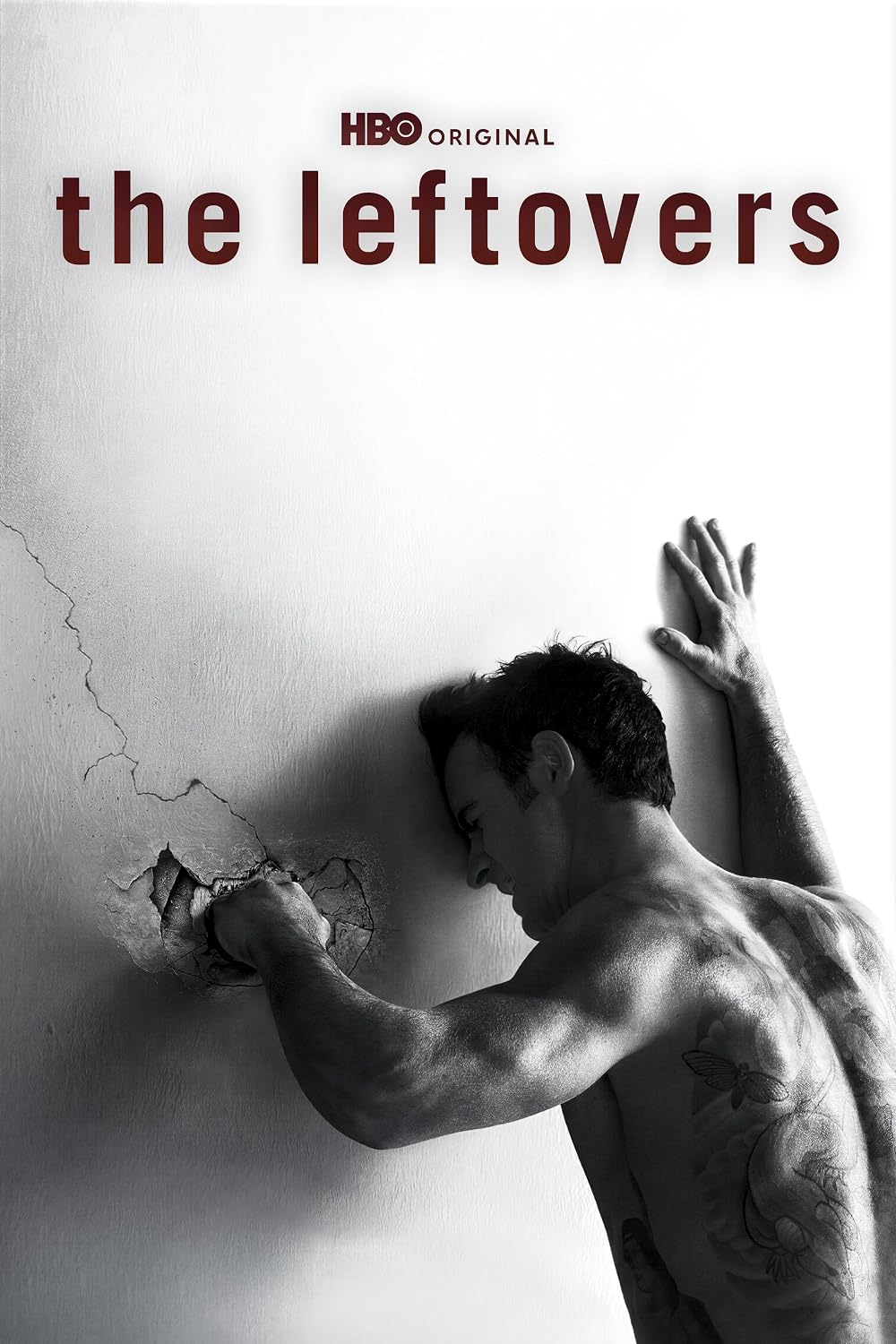
ScreenRant’s new retrospective argues that HBO’s The Leftovers—not Westworld—is the real mystery-box masterpiece, a three-part thriller that finally cashes in on the promises of Lost-era genre television. The series ran on HBO from 2014 to 2017 across three seasons, giving its sprawling story a clear beginning, middle, and end. Far from a dusty cult curio, it has become a fixture of “best of” lists and recent think pieces, with outlets like Gizmodo and The Boston Globe revisiting the show as one of modern TV’s most singular achievements.
Created by Damon Lindelof and novelist Tom Perrotta, The Leftovers adapts Perrotta’s 2011 book and then pushes far beyond its pages. The story begins three years after the “Sudden Departure,” a global event in which roughly 2% of the world’s population vanishes without explanation, leaving those who remain to live in the crater that mystery has blasted into ordinary life. Rather than obsess over how or why the disappearance happened, the show focuses on the people in the small town of Mapleton—like police chief Kevin Garvey, grieving Nora Durst, and Reverend Matt Jamison—as they wrestle with trauma, faith, and the gnawing fear that there may never be an answer. This choice to center sorrow and spiritual dislocation instead of lore mechanics is a key reason critics describe the series as one of the finest and most humane genre dramas of the 21st century.
The ScreenRant piece frames The Leftovers as a kind of creative do-over for Lindelof, whose earlier work on Lost helped popularize the modern “mystery box” format—dense puzzles, tantalizing clues, and a fan culture built around decoding them. Gizmodo likewise notes that Lindelof’s collaboration with Perrotta produced a “successfully enigmatic story” that seemed to course-correct after the divisive end of Lost, proving you can be cryptic without collapsing in your finale. In that light, Westworld becomes the cautionary tale: another ambitious HBO sci-fi drama that leaned hard into puzzles, timelines, and theories, but often struggled to keep its emotional core as clear as its narrative tricks. ScreenRant’s argument is that The Leftovers shows what happens when mystery-box storytelling trusts character over explanation, and knows exactly when to stop.
One of the reasons the show is now being celebrated as HBO’s great three-part thriller is how each season feels like a distinct movement in a single symphony. Collider highlights how the series begins by grounding viewers in Mapleton, then expands outward as characters search for meaning in new communities and belief systems, using each season to explore different ways people respond to inexplicable loss. The third and final run leans even harder into surrealism and spiritual allegory, but critics argue that its bold swings are anchored by intimate character work and performances from Justin Theroux, Carrie Coon, Amy Brenneman, and Christopher Eccleston. Across those three chapters, the show keeps its central mystery intact while steadily shifting the audience’s focus from “What happened?” to “How do you live after something like this?”
Despite its critical acclaim, The Leftovers never drew the blockbuster viewership numbers of flashier genre hits, a point ScreenRant notes as part of the show’s underdog legacy. Rotten Tomatoes and other aggregators nevertheless show sky-high scores across the series’ run, and retrospectives frequently place it near the top of HBO’s all-time rankings for three-season shows. The series’ blend of apocalyptic anxiety, dark humor, and hard-won hope has aged conspicuously well, especially in a post-pandemic media landscape where collective grief and uncertainty feel less like speculative fiction and more like everyday reality. With all three seasons now streaming on HBO’s platforms and other services, it has never been easier for new viewers to discover why so many critics call the show a miracle of serialized storytelling.
What emerges from this wave of reappraisal is a clear lesson for genre television: mystery alone isn’t enough. The Leftovers builds its enigmas atop characters who are allowed to be messy, contradictory, and sometimes cruel, and it refuses to neatly answer every question just to tidy the mythology. In doing so, it offers a blueprint for future sci-fi and fantasy shows that want to use strange events as a lens on real human pain rather than an elaborate puzzle to be solved. For fans burned by the unresolved riddles of Lost or the increasingly convoluted games of Westworld, HBO’s three-season masterpiece doesn’t just show what mystery-box TV can be—it quietly writes the manual for how to end it well.


