
For most geeks, the worst sound in the world is a shrieking modem, a glitchy mic, or a grinding hard drive on its last legs. But for people living with misophonia, far more mundane noises—chewing on popcorn during a movie night, frantic keyboard tapping in a LAN café, a streamer’s mouth clicks on a hot mic—can feel like an all-out boss battle their nervous system is losing.
Misophonia, literally “hatred of sound,” describes a chronic condition in which specific everyday noises trigger intense emotional and physical reactions that are wildly disproportionate to the sound itself. Clinical descriptions highlight common “trigger” sounds such as eating and drinking noises, breathing, sniffing, pen clicking, keyboard tapping, and repetitive environmental sounds like rustling paper or finger drumming. These triggers can provoke anger, disgust, anxiety, panic, muscle tension, sweating, chest tightness, and a racing heartbeat, often alongside an overwhelming urge to escape the situation or shut the sound down. As coverage on Phys.org notes, the reaction is not about volume or pitch alone—ordinary sounds that most people barely notice can become unbearable for someone with misophonia.
Researchers and clinicians increasingly frame misophonia as a sensory processing disorder that hijacks the fight-or-flight circuitry. Reports from Harvard Health and the American Medical Association describe patients who go to great lengths to avoid shared meals, open-plan offices, or cinemas because they fear encountering trigger sounds and losing control of their emotions. A systematic review of cases in medical literature suggests misophonia often emerges in childhood or early adolescence and can lead to significant functional impairment, from social withdrawal to conflict at home or work. Despite this impact, expert commentary in outlets like AARP and National Geographic stresses that the condition is still under-studied and poorly understood, which leaves many sufferers feeling like their reactions are “overreacting” rather than rooted in a legitimate brain-based disorder.
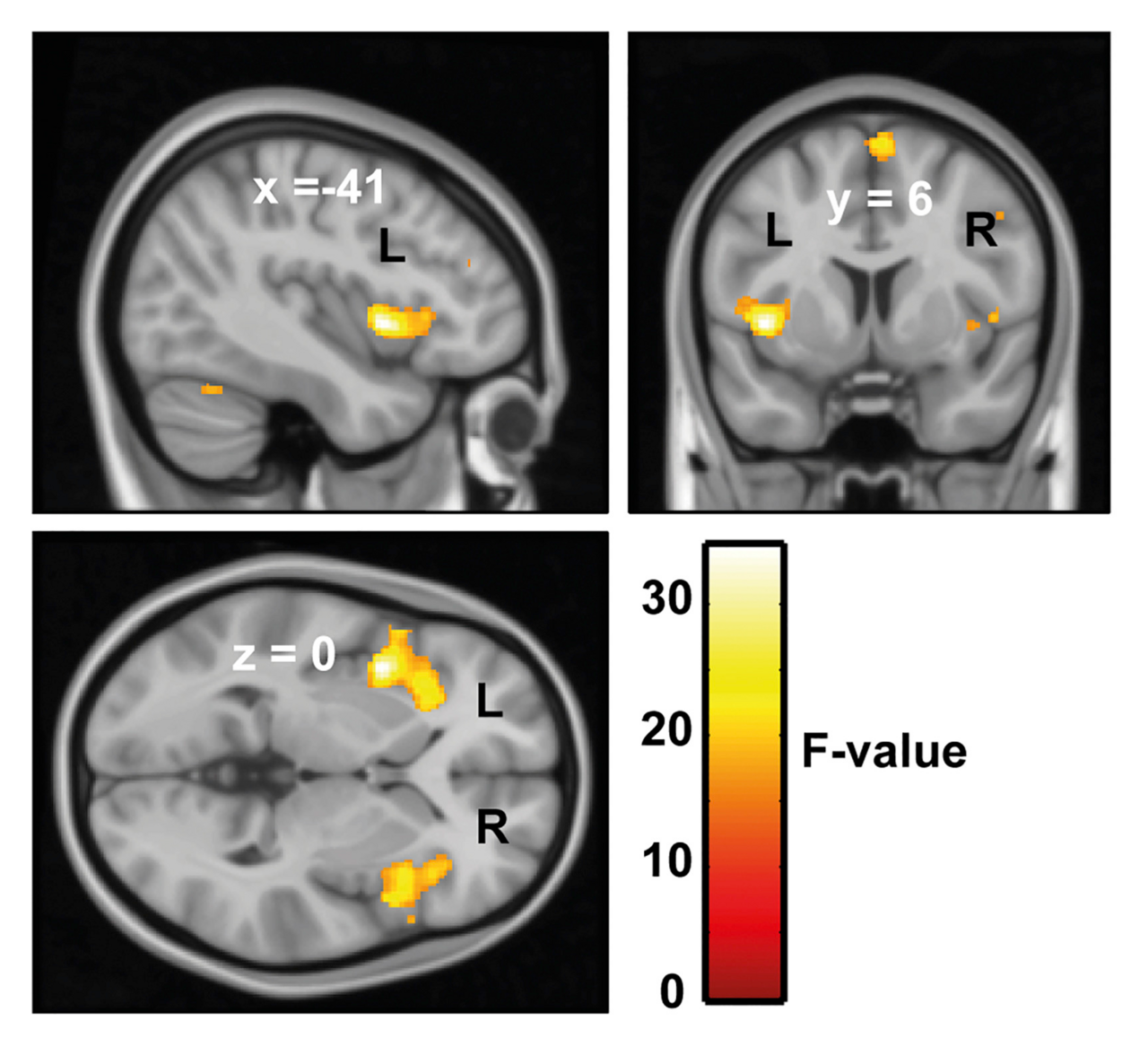
Several teams studying the condition argue that misophonia likely involves atypical communication between the brain’s sound-processing regions and areas that regulate emotion and threat responses. Patient-education materials from hearing and audiology organizations describe possible “hyperconnectivity” between the auditory cortex and the limbic system, meaning that certain noises are tagged as emotionally loaded much faster and more intensely than in most people. KidsHealth and other clinical resources note increased activity in networks dealing with hearing, emotions, and memory, which could explain why the reaction builds the longer the trigger sound continues and why repeated exposure can reinforce the response. This model helps distinguish misophonia from simple annoyance: the nervous system is firing as if the person is under threat, even though the source is a totally normal, socially accepted sound.
Treatment options remain limited but are slowly expanding as misophonia moves from forum posts into mainstream medicine. Major health systems like the Cleveland Clinic describe a mix of approaches: education about triggers, practical strategies to minimize exposure, and various forms of psychotherapy aimed at changing the emotional response to sound. Cognitive behavioral therapy, acceptance and commitment therapy, dialectical behavior therapy, exposure-based methods, and even eye movement desensitization and reprocessing have all been explored in case reports and small studies. Sound-based interventions—white noise generators, tinnitus retraining–style therapy, or simply well-timed background music—can help mask triggers or reduce their salience over time. Everyday coping often looks very familiar to geek culture: noise-cancelling headphones at the office, carefully curated playlists during study or gaming sessions, or choosing remote work and online hangouts over crowded physical spaces.
Clinicians emphasize that misophonia is distinct from hyperacusis, where the problem is sensitivity to loud or certain frequency sounds rather than specific human-generated noises. In hyperacusis, turning the volume down can help; in misophonia, the emotional charge of particular sounds is the core issue, even at low volume. That nuance matters in geeky environments that are often sonically intense—conventions, esports arenas, noisy coworking spaces, or late-night tabletop sessions. Someone who flinches at dice-tapping or chip-munching isn’t being picky or antisocial; their brain is treating those sounds like a threat. Resources from Oxford Health and national hearing charities advise families, partners, and coworkers to focus on collaborative solutions—agreeing on “quiet snacks,” using push-to-talk to avoid mouth noises on voice chat, or setting up sound-safe corners at home—rather than shaming the person for their reaction.
As recent explainers from outlets like The Conversation and BBC Learning English underscore, public awareness of misophonia is finally starting to catch up with the lived reality of people who have been struggling with it for years. For the geek crowd, that awareness can be the difference between being dismissed as “too sensitive” and getting practical support that makes movie nights, game sessions, and conventions possible again. Misophonia may be rooted in brain wiring, but with growing research, better coping strategies, and a bit of community empathy, everyday sounds don’t have to feel like a constant, unwinnable boss fight.
Image Credits
In-Article Image Credits
Statistical parameter maps (SPMs) representing interaction between group (people with and without misophonia) and sound type (including whether sounds were misophonia trigger sounds) in BOLD responses to hearing sounds via Wikimedia Commons by Sukhbinder Kumar,Olana Tansley-Hancock,William Sedley,Joel S. Winston,Martina F. Callaghan,Micah Allen,Thomas E. Cope,Phillip E. Gander,Doris-Eva Bamiou,Timothy D. Griffiths with usage type - Creative Commons LicenseFeatured Image Credit
Statistical parameter maps (SPMs) representing interaction between group (people with and without misophonia) and sound type (including whether sounds were misophonia trigger sounds) in BOLD responses to hearing sounds via Wikimedia Commons by Sukhbinder Kumar,Olana Tansley-Hancock,William Sedley,Joel S. Winston,Martina F. Callaghan,Micah Allen,Thomas E. Cope,Phillip E. Gander,Doris-Eva Bamiou,Timothy D. Griffiths with usage type - Creative Commons License


