
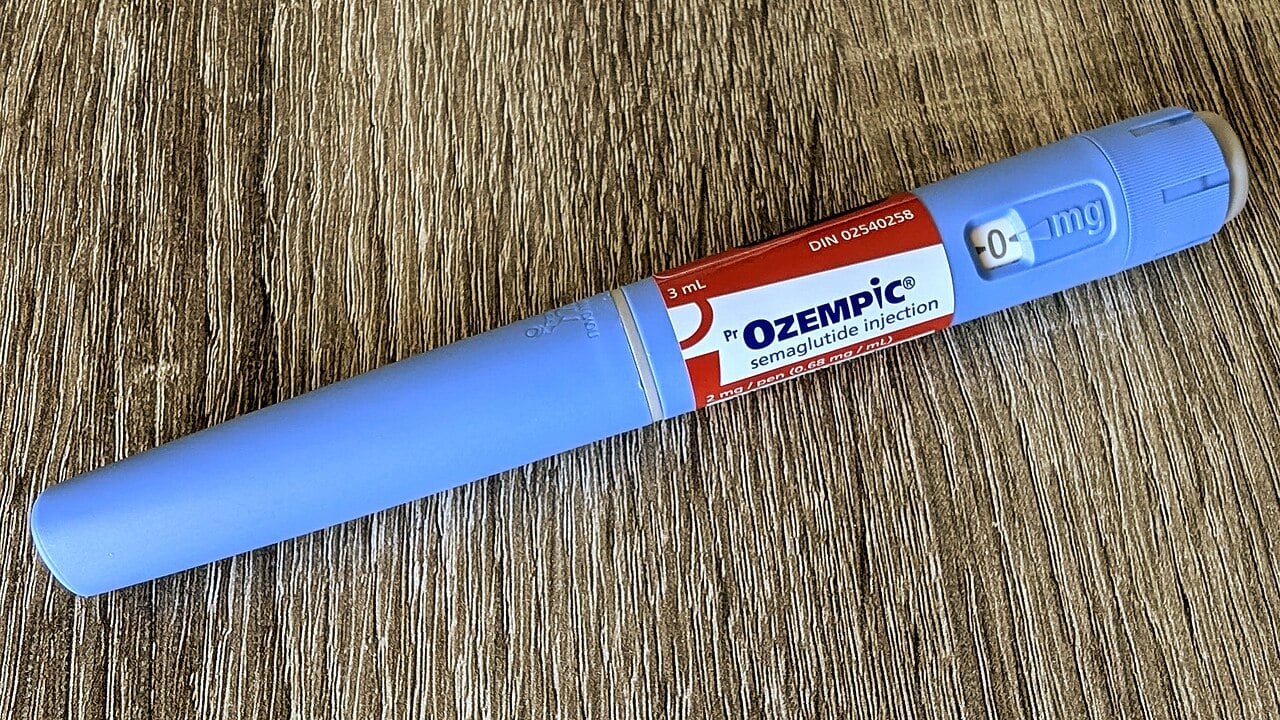
Ozempic and Wegovy are linked to a small increase in the risk of a rare eye condition that can cause sudden, potentially permanent vision loss, according to a new Rutgers-led study. The finding is important as GLP-1 medications become increasingly common, but it does not establish that the drugs directly damage the optic nerve. ScienceDaily’s report describes the result as a safety signal rather than proof of cause and effect.
Published in Annals of Internal Medicine, the research examined a large database of U.S. adults ages 18 to 65 with Type 2 diabetes who had recently started medication. Researchers compared people using GLP-1 drugs—including semaglutide, the active ingredient in Ozempic and Wegovy—with other patients and found a modestly higher likelihood of ischemic optic neuropathy. The analysis also included tirzepatide products such as Mounjaro and Zepbound.
Ischemic optic neuropathy occurs when the optic nerve receives too little blood. Its non-arteritic anterior form, commonly known as NAION, can appear without warning and may cause blurring, dimming, or a missing area in the field of vision, usually in one eye. The resulting impairment can be permanent; the study report says roughly one-third of affected patients experience some recovery, generally within the first six months, while residual vision problems often remain.
The absolute increase reported by lead author Chintan Dave and his Rutgers colleagues was approximately three to four additional cases per 10,000 patients treated over 18 months. Cases were more common among men and people in the older portion of the study population, particularly those ages 50 to 65. That translates to a very low overall risk, but the seriousness of sudden optic-nerve damage is why the researchers say continued monitoring matters.
This is not the first report to raise questions about GLP-1 drugs and vision. Rutgers previously summarized a small case series involving nine patients who developed serious eye problems while taking semaglutide or tirzepatide; seven were diagnosed with NAION. A case series cannot determine how often a side effect occurs, however, and the newer database analysis offers broader population-level evidence while still sharing the limitations of observational research.
For people taking Ozempic, Wegovy, or related medications, the practical message is not to stop treatment without medical advice. Instead, sudden painless vision loss, new blurring, dimming, or a missing portion of the visual field should prompt immediate medical attention and an ophthalmologic evaluation. The Rutgers researchers emphasize that differences in patients’ underlying health conditions could partly explain the association, so further research will be needed to determine whether GLP-1 medications themselves contribute to the risk.


