
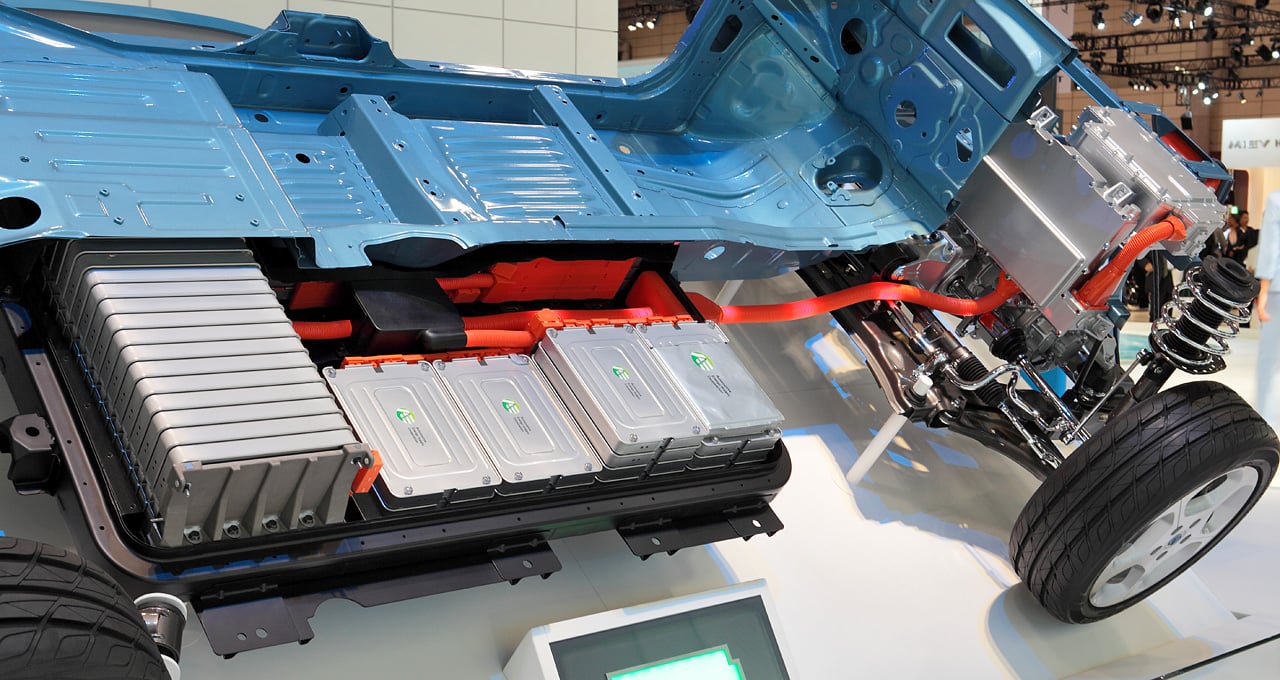
Your EV’s battery is built to last, but everyday charging routines can still influence how quickly it loses capacity. Engadget’s report highlights several habits worth rethinking, from charging to 100 percent by default to leaning on high-power charging when a slower option would do.
For many electric cars, the gentlest daily range is roughly 20 to 80 percent. Repeatedly filling the pack completely or allowing it to run nearly dry places more stress on the cells than operating within the middle of their charge range. That does not make a full charge forbidden: drivers should still use the available range when preparing for a long trip, while checking the vehicle maker’s recommended limit for that particular battery.
Chemistry matters, too. Engadget notes that lithium iron phosphate batteries may benefit from an occasional 100-percent charge, while nickel-manganese-cobalt packs are commonly kept closer to 80 or 90 percent during normal use. The Australian government’s EV guidance similarly cautions that charging recommendations vary by chemistry and battery-management system, so a universal rule is less useful than the limit displayed in the car’s settings.
Temperature is another major factor. Charging a battery that is already hot—particularly after a demanding drive in warm weather—can add thermal stress, and Engadget specifically flags conditions approaching 104 degrees Fahrenheit (40 degrees Celsius). If possible, letting the vehicle cool before plugging in and using a shaded or temperature-controlled location can make charging easier on the pack. Many EVs also manage battery temperature automatically, but that protection does not erase the effects of repeated extreme conditions.
Fast charging is best treated as a convenience rather than the default. DC fast chargers deliver much more power than home Level 1 or Level 2 equipment, and frequent use may produce somewhat faster degradation. The Australian government recommends choosing slower charging when practical, while Kelley Blue Book reports that automakers including Kia advise relying on Level 2 charging for routine use and saving DC charging for road trips or time-sensitive stops.
The practical takeaway is less dramatic than “never charge quickly” or “never charge to full.” Set a daily charging ceiling suited to your vehicle, avoid leaving the battery at either extreme for long periods, use fast charging when the journey requires it, and give the pack time to cool after hard driving in hot weather. Federal fuel-economy guidance says modern EV batteries are designed for extended service, with estimated lifespans of 12 to 15 years in moderate climates and 8 to 12 years in severe ones—meaning sensible habits are about preserving performance, not treating the battery as fragile glass.
Image Credits
In-Article Image Credits
Nissan Leaf at the 2009 Tokyo Motor Show via Wikimedia Commons by Tennen-Gas with usage type - Creative Commons License. By Tennen-Gas - Own work, CC BY-SA 3.0, https://commons.wikimedia.org/w/index.php?curid=8249799Featured Image Credit
Nissan Leaf at the 2009 Tokyo Motor Show via Wikimedia Commons by Tennen-Gas with usage type - Creative Commons License. By Tennen-Gas - Own work, CC BY-SA 3.0, https://commons.wikimedia.org/w/index.php?curid=8249799


