
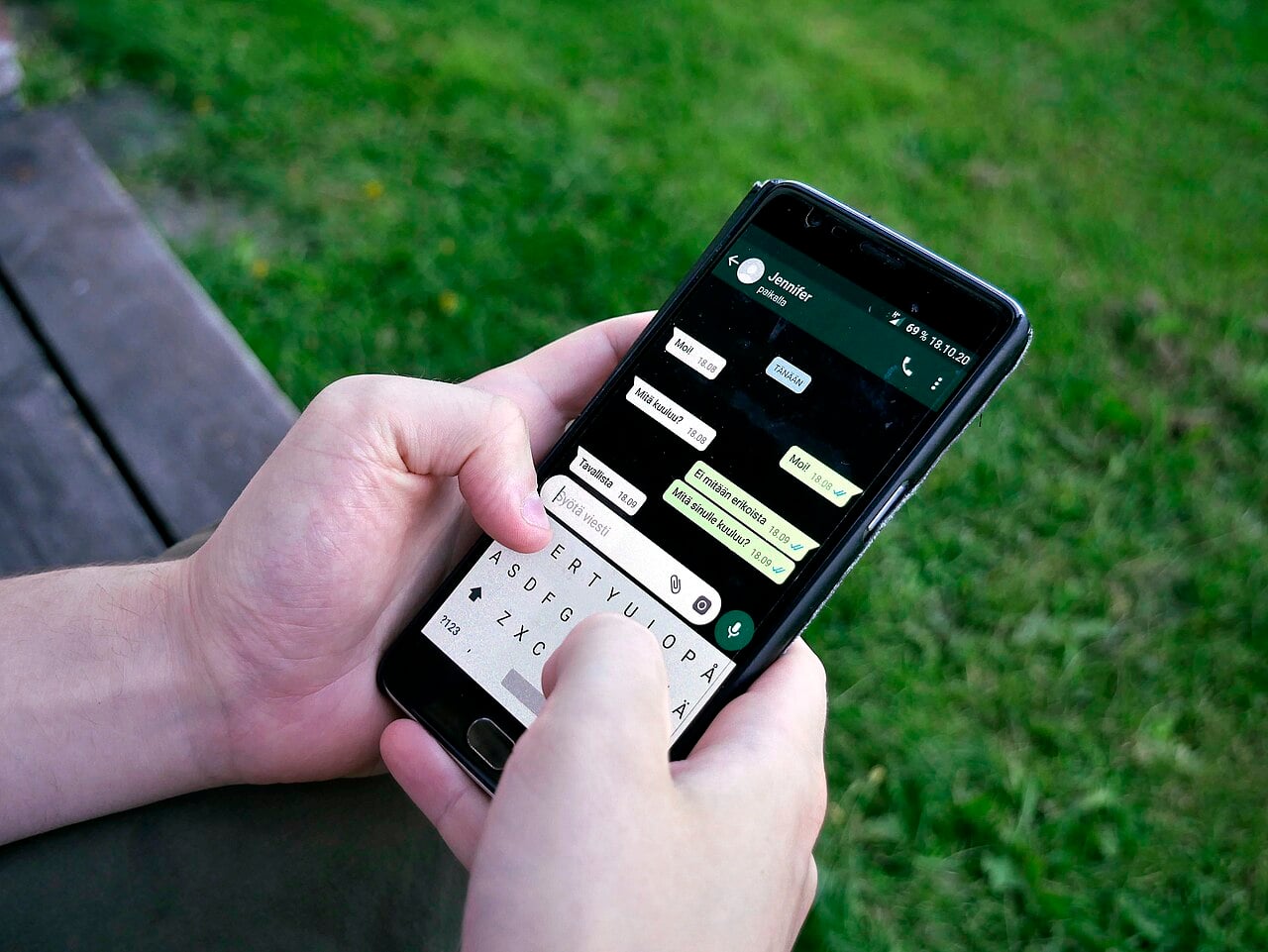
Political campaigns have turned the final stretch before the November 3 midterm elections into a nonstop group chat, filling voters’ phones with urgent pleas, attack messages, celebrity cameos, and reminders apparently tailored to their personal networks. Some sound oddly intimate; others lurch from breathless fundraising to accusations of Marxism in the space of a few taps. The latest wave of bizarre election texts is not a glitch so much as the logical endpoint of campaigns treating the cellphone as their most direct route to voters.
Messages invoking Texas Senate candidate James Talarico, Arizona Democrat Mark Kelly, baseball analyst Ben Verlander, and even a recipient’s friends or relatives illustrate the range of tactics now competing for attention. A campaign can use a text to ask for a dollar, push a voting reminder, circulate an attack, or send a link to a video. The tone is often deliberately exaggerated because urgency and emotional friction are useful ways to make a message stand out in a crowded inbox.
Talarico’s race has provided especially fertile ground for aggressive outreach. His campaign says it assembled more than 60,000 volunteers for door-knocking, calls, and texts, showing how phone messaging fits into a broader field operation rather than replacing traditional organizing. Meanwhile, attacks aimed at him have reportedly invoked wealthy donors, frightening imagery, and claims that outside interests are trying to purchase influence in Texas.
The rules governing the messages are more complicated than many recipients realize. The Federal Communications Commission says political texts sent to mobile phones through an autodialer generally require prior express consent, while manually sent political messages can be sent without that same permission. The agency also says recipients can forward unwanted texts to 7726, or SPAM, and can file a complaint when they believe a campaign has violated the rules. FCC guidance makes clear that political outreach is not covered by the National Do Not Call Registry, which is why adding a number to that list will not end the barrage.
Replying STOP may help, but it is not a universal unsubscribe switch: permission and opt-out requests generally apply to the particular sender or campaign that contacted you. Blocking the number, reporting the message as spam, and avoiding links in suspicious texts are safer practical steps, especially when a message uses a familiar name without clearly identifying its organization.
For campaigns, the flood reflects a trade-off. Texting is cheap, immediate, and measurable, but every awkward plea or misleading-looking message risks turning outreach into voter fatigue. For recipients, the barrage is a preview of a political system increasingly optimized for personalized digital interruption—one that can make a real candidate, a volunteer, a fundraising vendor, and an automated campaign platform look indistinguishable on the same tiny screen.
Image Credits
In-Article Image Credits
Text message messaging with WhatsApp via Wikimedia Commons by Santeri Viinamäki with usage type - Creative Commons License. By Santeri Viinamäki, CC BY-SA 4.0, https://commons.wikimedia.org/w/index.php?curid=71456977Featured Image Credit
Text message messaging with WhatsApp via Wikimedia Commons by Santeri Viinamäki with usage type - Creative Commons License. By Santeri Viinamäki, CC BY-SA 4.0, https://commons.wikimedia.org/w/index.php?curid=71456977


