
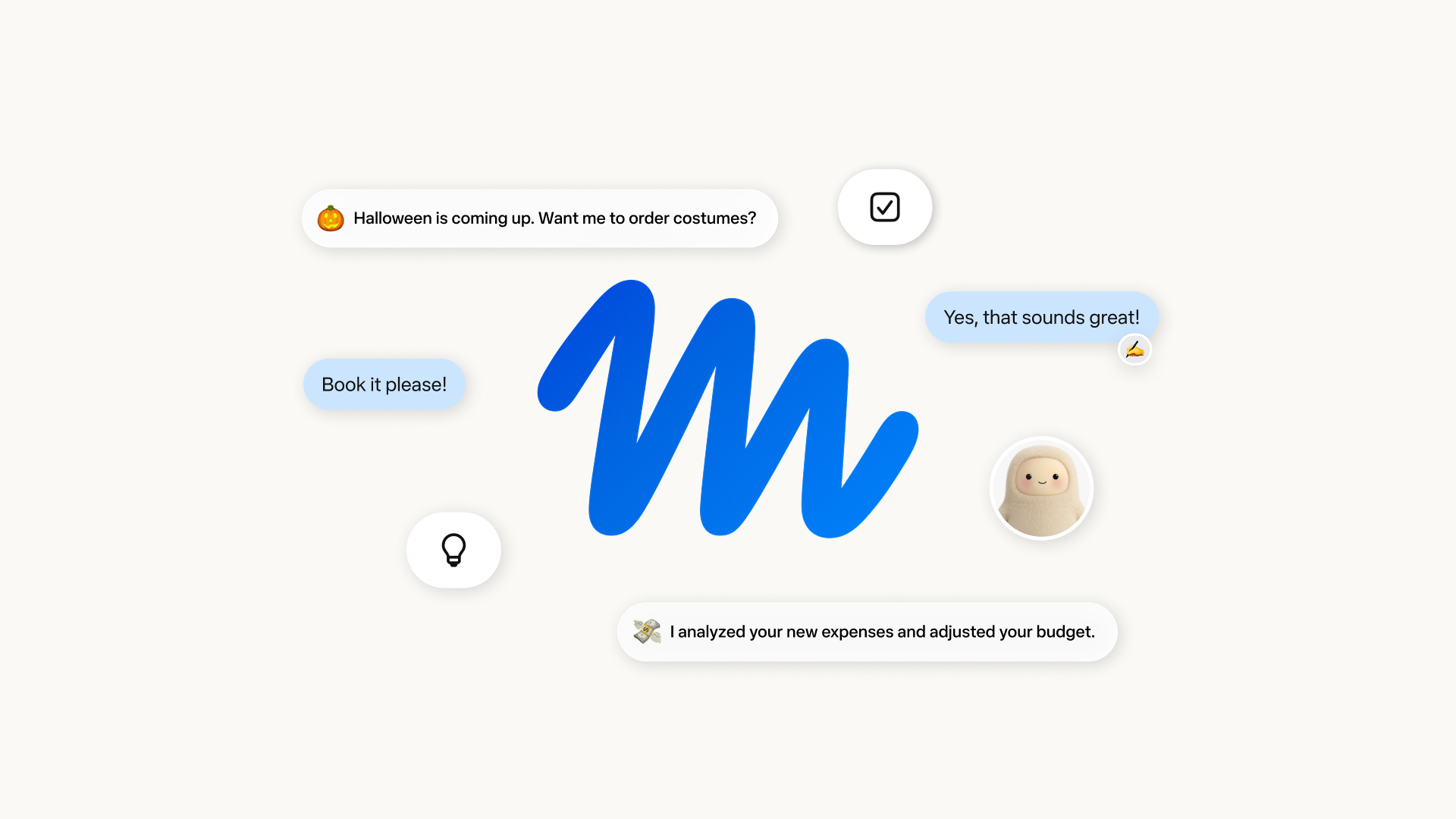
Meta is turning its Muse AI assistant into something more than a chat window. With the launch of Spaces, users can describe a tool they want and have Muse build a persistent, interactive experience around it.
Spaces are designed as focused destinations inside Muse rather than one-off conversations. A user might request a holiday gift tracker, a daily word game, a wedding planner, or a project board, then return to that experience whenever it is needed. Meta says users can continue refining a Space through additional instructions, changing its appearance, adding missing functions, or adjusting how it works. Meta’s announcement describes the feature as a way to organize the Muse app around individual routines and interests.
The concept stretches across both practical utilities and entertainment. Meta’s examples include a shopping hub that combines gift ideas, Instagram saves, Marketplace listings, and buyer messages; a school dashboard that pulls relevant events from emails into a calendar; and a music tracker for new releases and upcoming concerts. Freelancers could use Spaces to organize clients, deadlines, and invoices, while small businesses could track orders, customer messages, and shipments.
What makes the feature more ambitious than a collection of saved prompts is its connection to outside services. Once a user links the relevant apps, a Space can update itself with information such as price changes, new concert dates, or progress toward a savings goal. Users can also check items off, add notes, and make edits directly inside the experience rather than rebuilding the request from scratch. Independent coverage characterizes Spaces as app-like hubs that are generated inside Muse from plain-language descriptions.
Meta is also giving users control over where these custom tools appear. Spaces can live in the sidebar or among Muse’s main tabs, and users can hide them or schedule when they show up. That could let someone foreground a work planner during the week, then switch to a personal dashboard for the weekend without maintaining several separate productivity apps.
Spaces are available wherever Muse is currently offered, according to Meta. The company is also testing more collaborative possibilities, suggesting that future versions could allow people to share a Space instead of keeping every AI-built workspace private. Meta says specialized model versions informed by Muse Wonder are rolling out alongside the feature, positioning Spaces as an early step toward an assistant that builds and maintains personalized software rather than merely answering questions.


