
Ancient Maya devotion to brilliant red pigment appears to have left behind a toxic environmental legacy: two lakes in Mexico’s Yucatán Peninsula endured mercury pollution for centuries. New research led by Auburn University paleolimnologist Matthew Neal Waters found contamination levels far beyond modern thresholds for aquatic harm, linking the damage to the Maya use of cinnabar, a mercury sulfide mineral prized for its vivid color.
The new findings on Maya mercury contamination come from sediment cores collected at Lago Cobá and Cenote Xcach, waterways beside ancient Maya settlements in the northern lowlands. The cores act as layered environmental timelines, preserving chemical and biological evidence from more than 2,000 years of lake history.
At Lago Cobá, mercury concentrations exceeded the modern “probable effect” level for more than 200 years and remained above the more severe benchmark for nearly a century. Cenote Xcach experienced a comparable crisis, with contamination reaching roughly six times the severe-effect threshold for about 300 years before dropping sharply around 850 CE. Independent coverage places major spikes at Cobá beginning around 250 CE, while Xcach shows earlier contamination and another sustained rise from approximately 535 to 820 CE. Auburn’s account of the study details the dates, sampling work and ecological evidence.
Cinnabar is the leading suspect because the Maya used it widely in murals, pottery, sculptures, temple architecture and funerary rituals. Red carried powerful associations with the sun, blood and life, making the pigment much more than a decorative material. Waters believes the unusually concentrated contamination suggests cinnabar may have been imported through trade networks rather than naturally washed into the lakes. Cobá’s extensive raised roadways, known as sacbeob, point to its importance as a commercial center.
The sediment record also shows signs of ecological disruption. During the mercury peaks, algae, cyanobacteria and purple sulfur bacteria declined, while ostracods and dominant midge larvae disappeared or fell sharply. Those organisms support the lower levels of an aquatic food web, so their collapse could have reduced the productivity of lakes that supplied freshwater shellfish and fish. The biological communities later recovered as mercury levels receded, suggesting a strong connection between pollution and ecosystem change.
The discovery does not establish that mercury pollution caused the decline of Maya cities, and Waters has explicitly framed it as an additional stressor alongside drought, deforestation, erosion, population pressure and food insecurity. It does, however, broaden the environmental story of the civilization by showing that water quality may have suffered during periods of intense urban activity and ritual production. Further sediment cores from Mesoamerica could reveal whether cinnabar contamination was localized around Cobá and Xcach or part of a much wider trade-linked pattern.
Image Credits
In-Article Image Credits
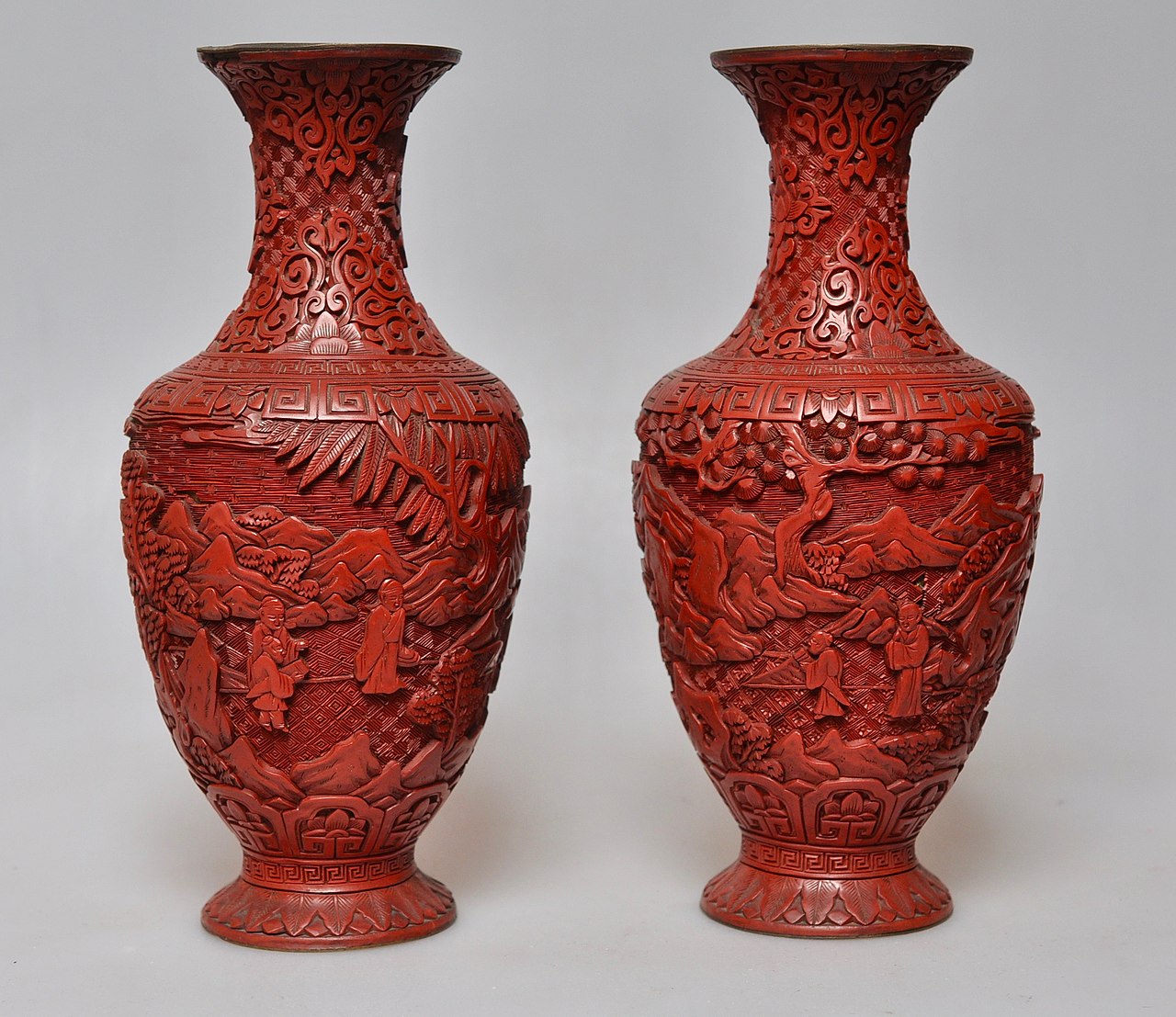
Chinese carved cinnabar lacquerware, late Qing dynasty, China. Adilnor Collection, Sweden via Wikimedia Commons with usage type - Creative Commons License. CC BY-SA 4.0, https://en.wikipedia.org/w/index.php?curid=54106183Featured Image Credit
Chinese carved cinnabar lacquerware, late Qing dynasty, China. Adilnor Collection, Sweden via Wikimedia Commons with usage type - Creative Commons License. CC BY-SA 4.0, https://en.wikipedia.org/w/index.php?curid=54106183


