
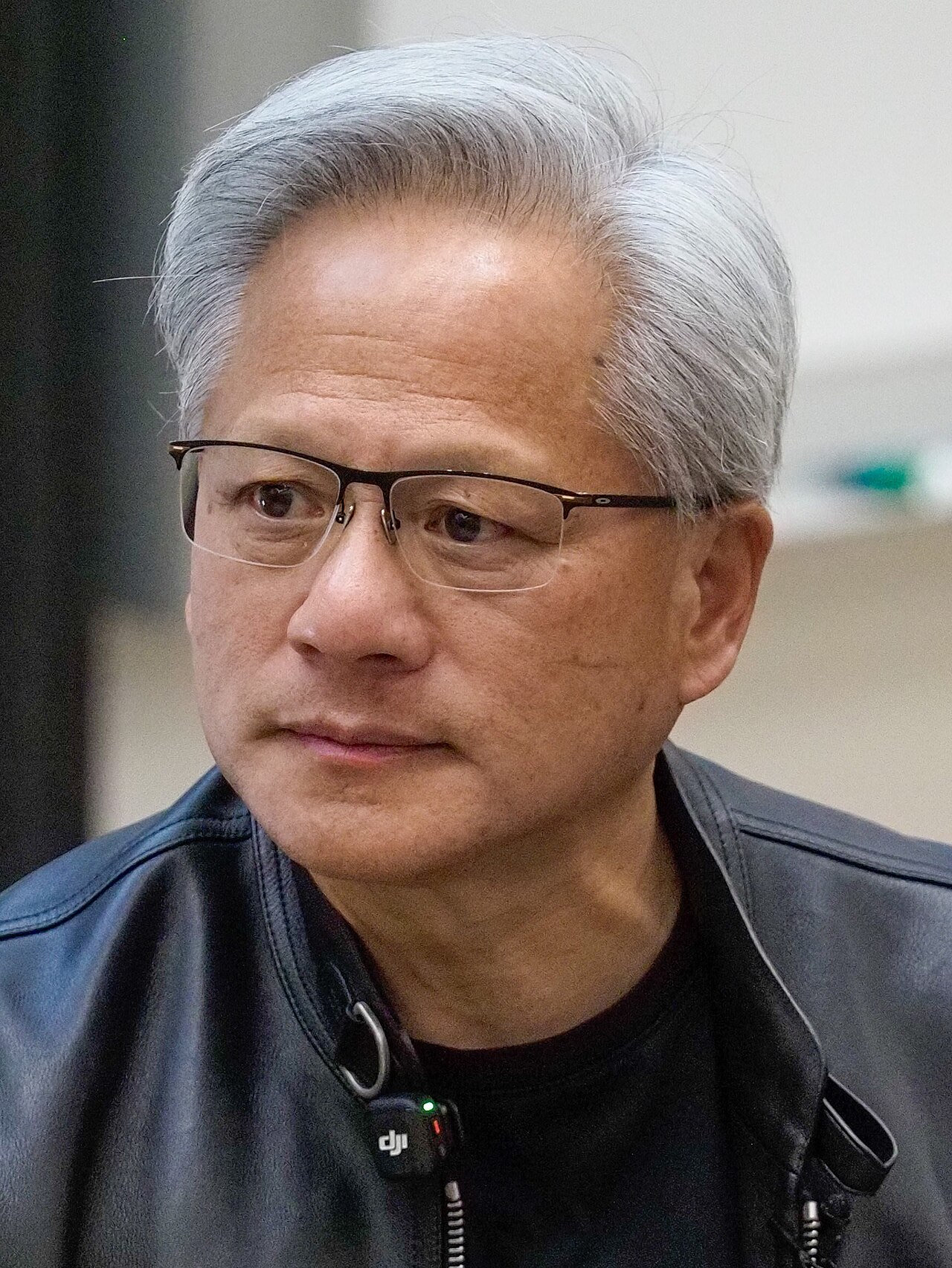
Jensen Huang’s stunning departure from Nvidia has grown even more dramatic: the company’s longtime founder and chief executive was linked to a third extramarital relationship with an Nvidia employee, whose identity has not been disclosed. The newly surfaced allegation arrives as the chipmaker confronts an escalating leadership and national-security crisis. The newly reported relationship follows revelations involving two other women.
Huang stepped down as Nvidia’s CEO and from its board on Thursday after the disclosures. Earlier accounts identified one alleged partner as Alice Huang, a former executive at Singapore-based Megaspeed who is not related to Jensen Huang, and another as Kimberly Powell, Nvidia’s vice president of healthcare. The latest employee has not been named, and the available reporting does not identify her role or describe the circumstances of the relationship.
The scandal is unusually consequential because Alice Huang has been investigated by U.S. authorities over suspected ties to Chinese intelligence. Nvidia’s board opened an internal inquiry into whether Jensen Huang was targeted by a foreign-intelligence operation, while Huang acknowledged being unfaithful to his wife and said he would take responsibility for his conduct. Nvidia has said it had not found evidence that confidential company information was exchanged.
The developments mark a sharp reversal for one of the technology industry’s most recognizable executives. Huang founded Nvidia in 1993 and had led the company continuously since its creation, helping turn it into the dominant force in the artificial-intelligence chip market. Nvidia’s official biography also notes his earlier work at LSI Logic and Advanced Micro Devices, as well as his engineering degrees from Oregon State University and Stanford.
For Nvidia, the immediate challenge extends beyond reputational damage. The board must manage a succession process while addressing questions about executive oversight, workplace power dynamics, shareholder disclosures, and the unresolved inquiry into Huang’s contacts. A proposed shareholder lawsuit has already accused Nvidia and Huang of concealing information about the alleged relationship with Alice Huang and the potential business consequences.
The company has not publicly identified the employee involved in the third allegation, and further details may depend on Nvidia’s internal investigation or legal proceedings. What began as a personal scandal has now become a test of whether Nvidia can preserve confidence in its governance while the AI hardware giant adjusts to life without the leader who built it.


