
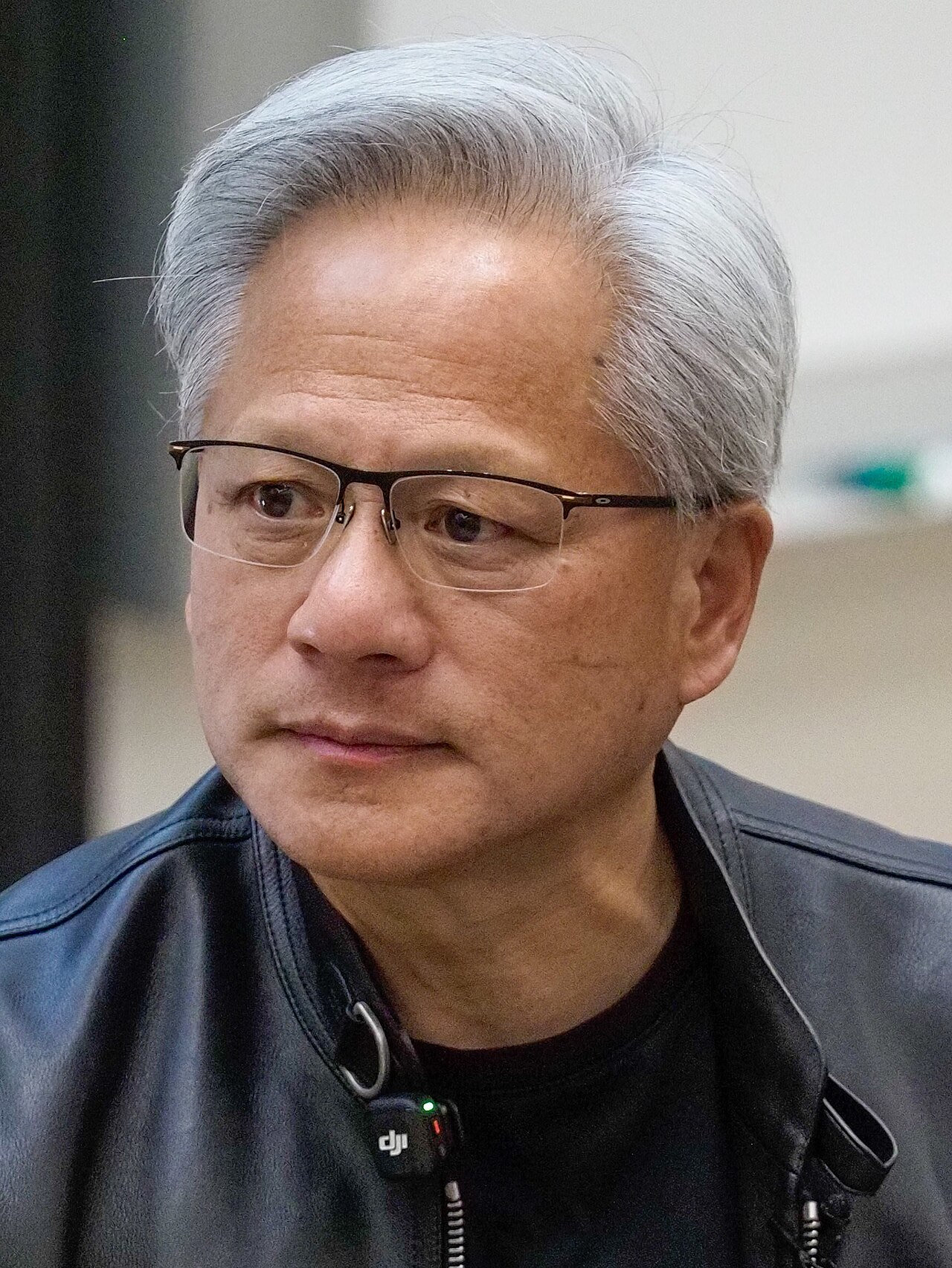
Jensen Huang’s sudden departure from Nvidia has left the artificial-intelligence industry confronting an uncomfortable question: how much of the current AI boom was built around one unusually visible leader? OpenAI CEO Sam Altman says the industry will continue, but Huang’s influence is impossible to separate from modern AI’s rise.
Nvidia’s board announced Huang’s resignation on November 12, ending a 33-year run in which he served as the company’s co-founder, president, chief executive, and board member. Chief financial officer Colette Kress was appointed interim CEO while the board searches for a permanent successor. NPR reported that the exit followed a board investigation into allegations involving extramarital affairs, including one with a woman U.S. intelligence officials reportedly believed had been recruited by China’s spy agency.
Huang’s business legacy is unusually broad. Nvidia began as a graphics-chip company, but its programmable GPUs eventually became the essential computing engine for training and running large AI models. The company’s own official biography credits the 1999 invention of its GPU with helping reshape computer graphics and later accelerating the generative-AI revolution. For companies such as OpenAI, Nvidia’s hardware has been central to scaling increasingly demanding models.
Altman’s comments struck a careful balance between admiration for Huang’s achievements and acceptance that Nvidia must operate without him. CNBC’s coverage of the discussion described Huang as a major force behind Nvidia’s success, while earlier remarks attributed to Altman argued that intense AI demand, expanding revenue, and broad customer adoption should keep the industry moving. The conversation also included OpenAI president Greg Brockman, who has worked alongside Altman during the company’s rapid expansion.
For Nvidia, the immediate challenge is continuity. Huang’s departure removes the executive most closely associated with the company’s strategy, public identity, and relationships with AI customers. The company still controls a dominant platform for accelerated computing, but investors and partners will be watching whether its next leader can preserve the pace of product development and the partnerships that helped turn GPUs into the infrastructure beneath the AI economy.
For fans and technologists, the change is less about whether AI disappears than whether its defining era has reached a transition point. Huang’s resignation does not erase Nvidia’s hardware advantage or OpenAI’s demand for compute, but it does mark the end of one of Silicon Valley’s longest-running founder-led chapters. The next phase will test whether the systems Huang helped build are strong enough to outlast the person who made them synonymous with AI.


