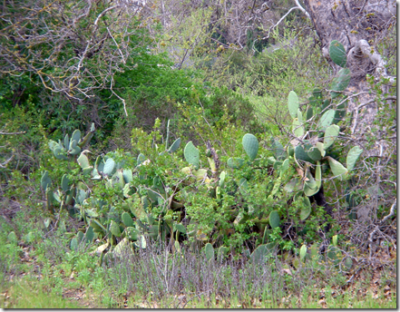
Prickly pear cactus plant (Opuntia species) The Prickly Pear (or Paddle) cactus has flat, padlike stems that are green. The Prickly Pear has two kinds of spines – hard, fixed spines and small, hairlike prickles that easily penetrate the skin and detach from the plant. The plants grow in dense, tangled structures with each plant…
Tag: north america
Pokeweed – the edible plant that also makes an excellent poison (good for dye and maybe even arthritis too)
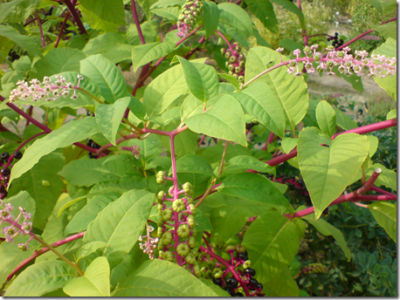
Pokeweed (Phytolacca americana) The Pokeweed plan, also known as Virginia Poke, American Nightshade, Cancer Jalap, Coakum Garget, Inkberry, Pigeon Berry, Pokerood, Pokeberry, Redweed, Scoke, and Red Ink Plant, may grow as high as 3 meters (9 feet). It has a large white taproot and green or pinkish red (as it matures) stems. Its coarsely textured,…
Plantain, broad and narrow leaf – many uses including food and medicine
Plantain, broad and narrow leaf (Plantago species) Plantains come in two types – broad leaf and narrow leaf. The broad leaf plantain has leaves over 2.5 centimeters (1 inch) across with parallel veins that are spread wider at the broad part of the leaf. The plantain leaves grow in a cluster close to the ground.…
Pine trees – pine provides a bounty of uses in survival situations.
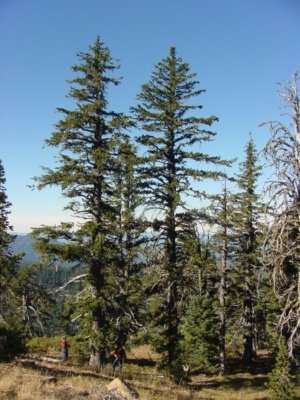
Pine trees are easily recognized by their needle-like leaves grouped in bundles. Each bundle may contain one to five needles, the number varying among species. They are a resinous tree growing up to 250 feet tall. The tree’s odor and sticky sap provide a simple way to distinguish pines from similar looking trees with needle-like…
Pincushion cactus – edible wild plant – how to find, identify, prepare, and other uses for survival.
Pincushion cactus plant (Mammilaria species) The Pincushion Cactus, also known as Nipple Cactus or Fishhook Cactus, are round, short, globe shaped to barrel-shaped, and without leaves. Sharp spines cover the entire plant. The roots are fibrous or fleshy. They may grow to over 3 feet but most grow to about 6-8 inches in height by…
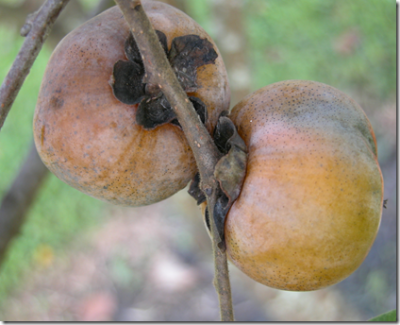
Persimmon – edible wild plant – how to find, identify, prepare, and other uses for survival.
Palmetto palm – edible wild plant – how to find, identify, prepare, and other uses for survival.
Palmetto palm tree plant (Sabal palmetto) The palmetto palm (also known as cabbage palm, palmetto, cabbage palmetto, palmetto palm, blue palmetto, Carolina palmetto, common palmetto, swamp cabbage and sabal palm) is a tall, unbranched tree with persistent rounded fan leaf bases on most of the trunk. The Palmetto Palm may grow up to 90 feet…
Orach (Saltbush) – edible wild plant – how to find, identify, prepare, and other uses for survival.
Orach plant (Atriplex species) The edible Orach plant (also known as Saltbush, Garden Orache, Red Orache, Mountain Spinach, or French Spinach) is vine-like in growth and can grow erect to 1-2 meters (3-6 feet) in height. It has arrowhead-shaped, somewhat oblong, alternate leaves up to 5 centimeters (2 inches) long. The leaves are thin in…
Oak trees – the many uses of oak in a survival situation (yes, it’s even edible).
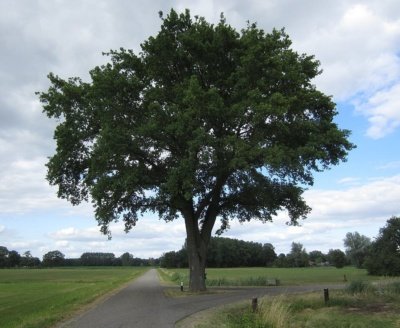
Oak tree (Quercus species) Oak trees have alternate leaves and edible acorn fruits. The leaves of the Oak may have serrated edges or may have smooth edges. The flowers are catkins produced in the Spring season. The fruit is a nut called an acorn. It is held in a cup-like structure with each acorn containing…