Pincushion cactus plant (Mammilaria species) The Pincushion Cactus, also known as Nipple Cactus or Fishhook Cactus, are round, short, globe shaped to barrel-shaped, and without leaves. Sharp spines cover the entire plant. The roots are fibrous or fleshy. They may grow to over 3 feet but most grow to about 6-8 inches in height by…
Tag: plants
From gardening tips and techniques to plant biology and conservation efforts, check out articles that discuss different types of plants, such as flowers, trees, and vegetables, and provide information about their unique characteristics, growing conditions, and uses. Additionally, you can learn about plant anatomy, physiology, and genetics, and how these factors influence plant growth and development.
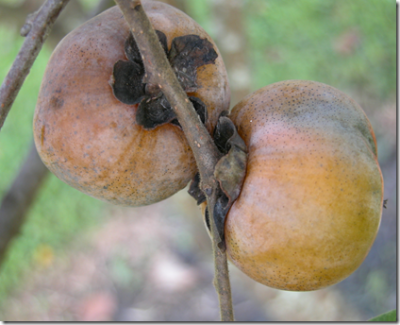
Persimmon – edible wild plant – how to find, identify, prepare, and other uses for survival.
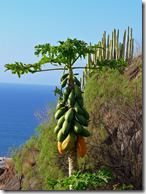
Papaya or pawpaw – edible wild plant – how to find, identify, prepare, and other uses for survival.
Papaya or pawpaw tree plant (Carica papaya) The papaya is a large, tree-like plant growing 5 to 10 meters (16 to 33 feet) tall, with a soft, hollow trunk. When cut, the entire plant exudes a milky juice. The trunk is rough and scarred (where leaves and fruit were born). Its large leaves (20-28 inches…
Palmetto palm – edible wild plant – how to find, identify, prepare, and other uses for survival.
Palmetto palm tree plant (Sabal palmetto) The palmetto palm (also known as cabbage palm, palmetto, cabbage palmetto, palmetto palm, blue palmetto, Carolina palmetto, common palmetto, swamp cabbage and sabal palm) is a tall, unbranched tree with persistent rounded fan leaf bases on most of the trunk. The Palmetto Palm may grow up to 90 feet…
Orach (Saltbush) – edible wild plant – how to find, identify, prepare, and other uses for survival.
Orach plant (Atriplex species) The edible Orach plant (also known as Saltbush, Garden Orache, Red Orache, Mountain Spinach, or French Spinach) is vine-like in growth and can grow erect to 1-2 meters (3-6 feet) in height. It has arrowhead-shaped, somewhat oblong, alternate leaves up to 5 centimeters (2 inches) long. The leaves are thin in…
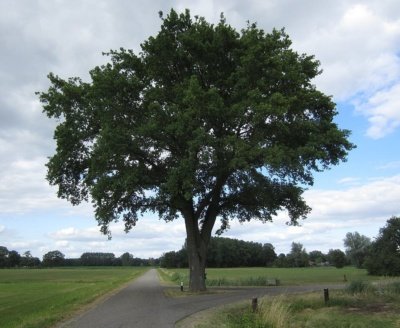
Oak trees – the many uses of oak in a survival situation (yes, it’s even edible).
Oak tree (Quercus species) Oak trees have alternate leaves and edible acorn fruits. The leaves of the Oak may have serrated edges or may have smooth edges. The flowers are catkins produced in the Spring season. The fruit is a nut called an acorn. It is held in a cup-like structure with each acorn containing…