
Canada just committed a hefty $750 million to scale up year-round indoor production of fruits and vegetables, with vertical farms pitched as a futuristic fix for food insecurity—but researchers warn the tech-heavy plant factories are far from a cure-all.
Launched in June 2026, the National Food Security Strategy sets out a seven-year investment in controlled environment agriculture, bundling greenhouses, vertical farms and other enclosed growing spaces into a “Controlled Environment Agriculture Growth Pathway” meant to boost domestic produce and cut reliance on long, fragile supply chains. The federal plan, highlighted in multiple departmental releases, explicitly targets rural and northern communities and frames indoor farming as a way to get “more Canada on your plate” by insulating production from climate shocks and global market volatility.
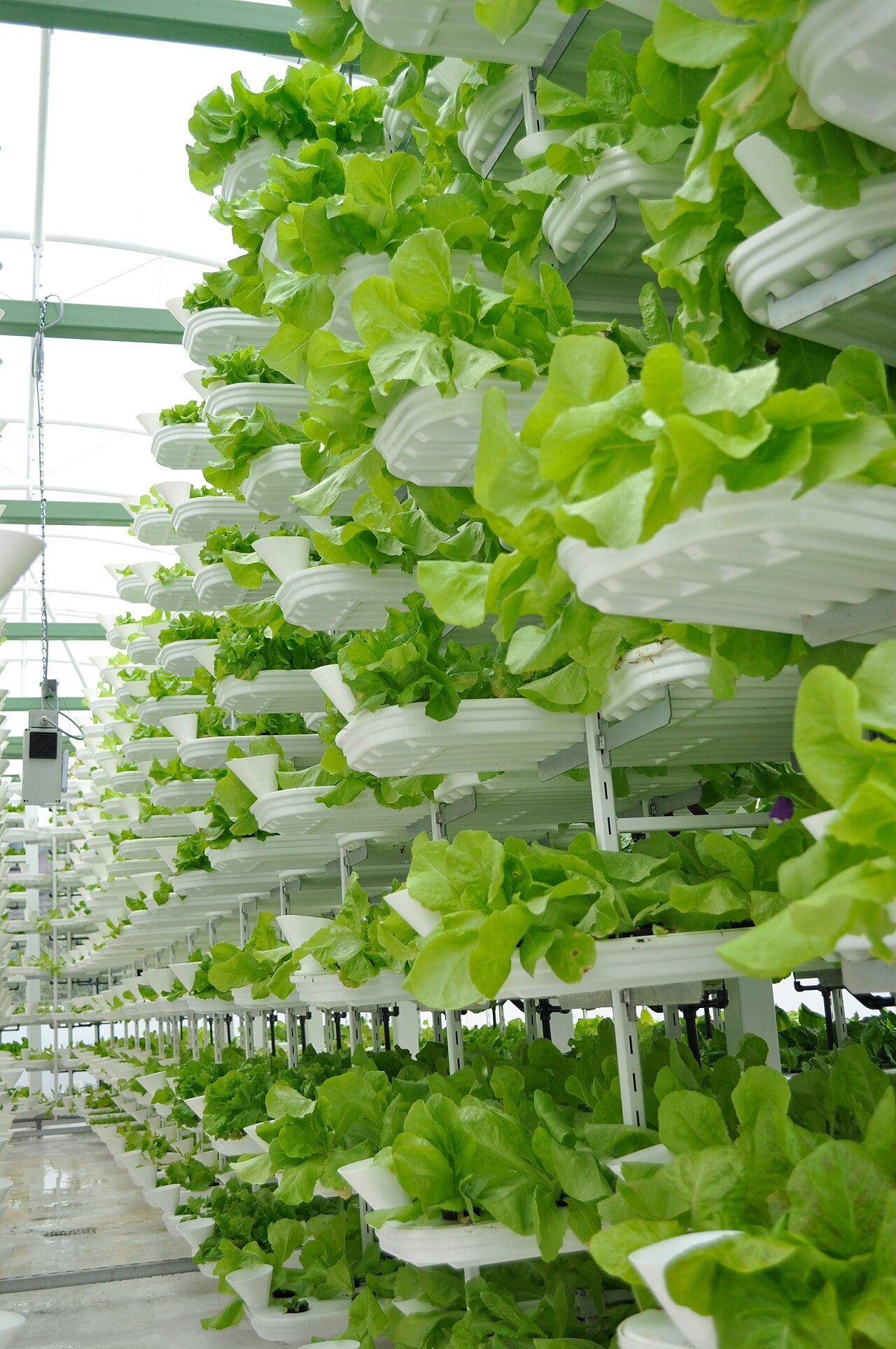
Vertical farming is the most cyberpunk-sounding piece of that puzzle: crops stacked in tiers inside sealed buildings, lit by high-powered LEDs and kept alive by 24/7 climate control, sensors and digital systems that micromanage water, nutrients and airflow. Yet critics of “vertical plant factories” argue that replacing free sunlight and outdoor ecological processes with lighting rigs, HVAC systems and computerized infrastructure turns food into an extremely energy- and material-intensive product, especially as wiring, microchips, tubing and other hardware must be frequently replaced as they degrade or become obsolete.
On paper, the model promises year-round yields, tight biosecurity and efficient water use, but the crop mix tells a different story: most vertical farms focus on high-margin specialty produce like lettuce, microgreens and berries rather than staples such as wheat, corn or rice, which are poorly suited to stacked indoor systems. That narrow portfolio means the tech does little to move the needle on caloric security or the affordability of basic foods, and research shows that the high capital costs, energy bills and need for specialized expertise push vertical farm output toward premium, nutritionally limited products priced out of reach for many low-income households. Academic reviews also flag the sector’s dependence on electricity—particularly for lighting and climate control—as its defining sustainability challenge, with energy return on investment remaining stubbornly low unless facilities are aggressively optimized and powered by low-carbon grids.
Canada’s own strategy documents stress that food insecurity is rooted in structural issues, including poverty, inadequate income and uneven access to healthy food, and position controlled environment agriculture as only one of several tools needed to address those deeper causes. Without parallel investments in social policy, Indigenous and local food systems, land access and support for more ecological forms of agriculture, critics caution that pouring public money into high-tech, privately owned plant factories risks reinforcing existing inequities—delivering boutique greens to urban elites while leaving staple foods and marginalized communities largely untouched.
For tech-minded readers, the takeaway is not that vertical farming should be scrapped, but that it needs to be deployed with clear guardrails: transparent reporting on energy use per kilogram of food, strong incentives to tie facilities to renewable power, crop portfolios that prioritize nutrition rather than only margins, and governance models that keep benefits in the communities hosting the infrastructure. Canada’s $750 million bet could still push useful innovation in lighting efficiency, automation and controlled environment design, but the science makes one thing clear—the stacked LED farms that look so futuristic on a slide deck are a niche tool, not a magic patch for a food system shaped by economics, politics and ecology far beyond the walls of any grow tower.
Image Credits
In-Article Image Credits
Lettuce plants being grown in a vertically-stacked hydroponic system via Wikimedia Commons by Valcenteu with usage type - Creative Commons LicenseFeatured Image Credit
Lettuce plants being grown in a vertically-stacked hydroponic system via Wikimedia Commons by Valcenteu with usage type - Creative Commons License


