
TSMC is considering a Texas expansion that could bring it into Elon Musk’s ambitious Terafab project, but the possible partnership is already facing a fundamental disagreement: who gets to run the factory? TSMC chairman and CEO C.C. Wei confirmed during the company’s third-quarter earnings call that teams have evaluated Texas and that discussions with Terafab are underway. He also made TSMC’s condition clear: any fabrication plant it joins must be operated by TSMC. Tom’s Hardware first reported the comments.
That position clashes with Musk’s public description of the arrangement. Earlier this month, Musk said Tesla and SpaceX would build and operate Terafab themselves, while TSMC might lease part of the complex for its own production. “Nothing more than that,” Musk said of TSMC’s potential involvement, according to Reuters. The two sides have therefore confirmed contact without agreeing on the ownership, operating structure, or scope of any future collaboration.
Terafab is planned as a Texas chipmaking complex intended to supply specialized artificial-intelligence processors for Musk’s companies, including Tesla and SpaceX. Intel has also been associated with the project, with its 14A process identified in earlier reporting as a possible technology partner. That creates an unusually complicated setup: TSMC could potentially operate dedicated lines inside a Musk-controlled campus, but mixing separate manufacturing processes, customers, equipment, and management teams in one cleanroom would require careful technical and commercial boundaries.
For TSMC, the talks fit a broader push to expand American manufacturing beyond its existing Arizona investment. The company says it is evaluating additional U.S. capacity, and Texas is one of the locations under consideration. Its Arizona roadmap already includes multiple fabs aimed at progressively more advanced process technologies, with later facilities expected to support 2-nanometer-class production.
The timing also reflects the extraordinary demand for AI infrastructure. TSMC reported third-quarter 2026 revenue of approximately $46.72 billion, up 41.2 percent from a year earlier, while net income rose roughly 68.7 percent to about $23.9 billion, according to the earnings figures reported by Tom’s Hardware. The results give TSMC considerable leverage: it can pursue new capacity while insisting that its manufacturing standards and operating practices remain under its control.
A compromise remains possible. Terafab could retain ownership of the overall Texas site while leasing a defined section to TSMC, allowing Musk’s companies to manage their own operations and TSMC to independently run its production lines. A separate possibility reported in early coverage would see TSMC own and operate a plant within the broader project, with SpaceX investing and purchasing chips from it. For now, however, both sides are still negotiating, and no agreement has been announced.
Image Credits
In-Article Image Credits
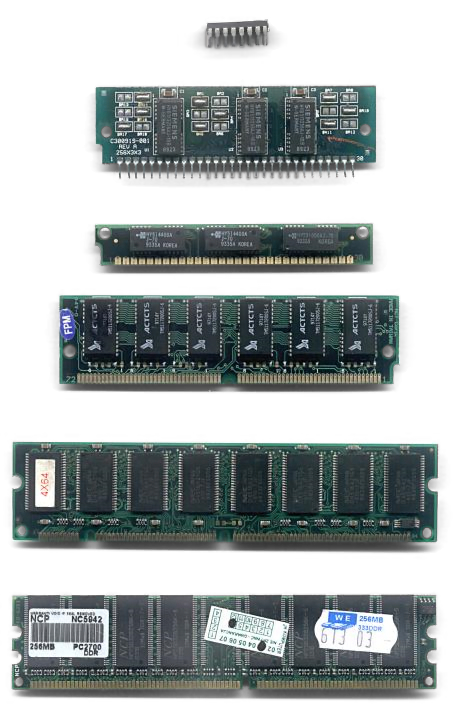
Different RAM types. From top to bottom: DIP, SIPP, SIMM 30 pin, SIMM 72 pin, DIMM (168-pin), DDR DIMM (184-pin). via Wikimedia Commons by Topory with usage type - GNU FreeFeatured Image Credit
Different RAM types. From top to bottom: DIP, SIPP, SIMM 30 pin, SIMM 72 pin, DIMM (168-pin), DDR DIMM (184-pin). via Wikimedia Commons by Topory with usage type - GNU Free


