
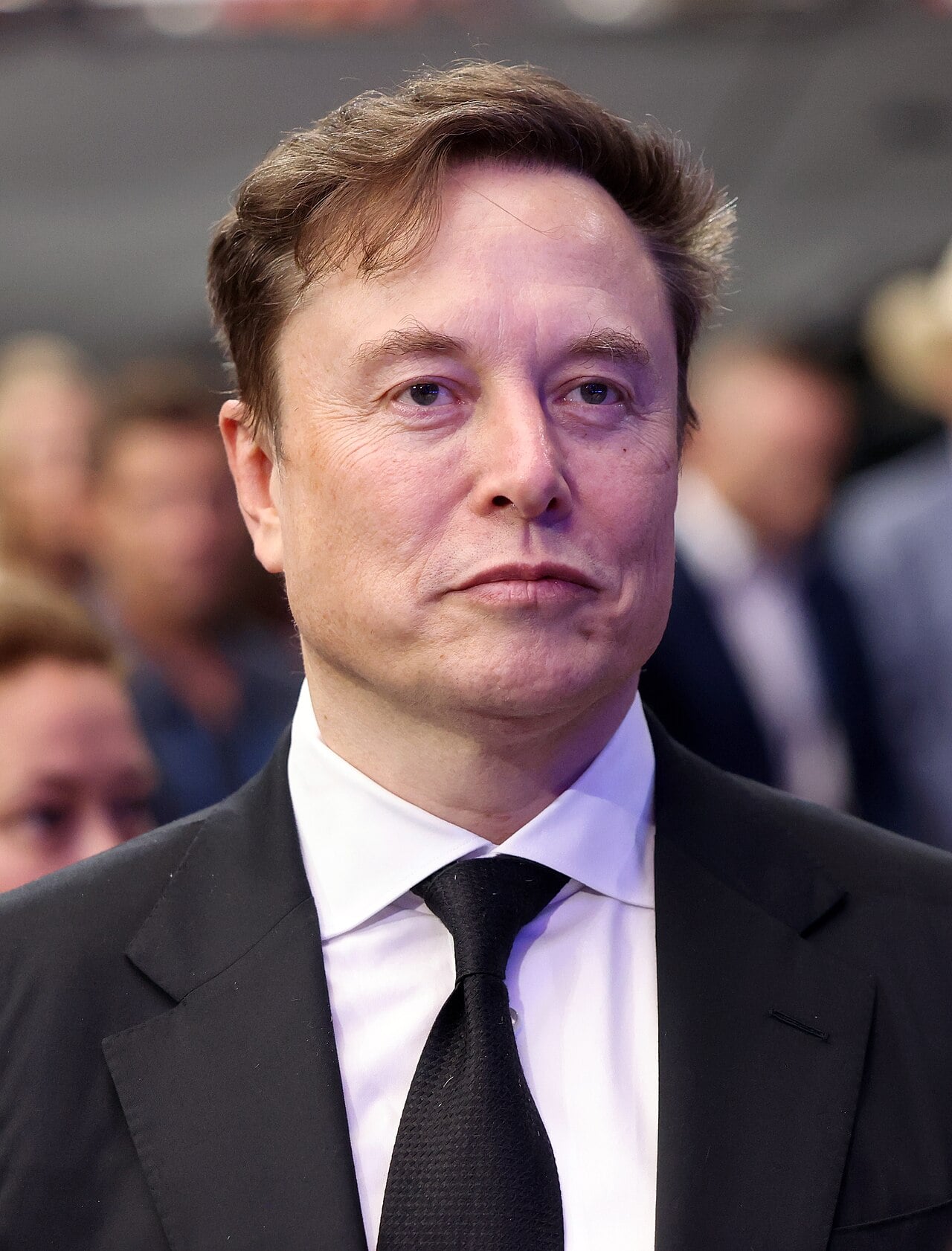
Elon Musk has entered the increasingly heated fight over AI-era memory prices, praising Micron Technology for taking what he considers a more sustainable approach while accusing unnamed rivals of charging “extortionate” rates. The comments, posted to Musk’s X account on October 13, appear to point toward Samsung Electronics and SK hynix, although Musk did not identify either company or disclose the prices, products, or contracts behind his criticism. Tom’s Hardware first reported the remarks.
“Micron has been reasonable regarding future memory prices, while others have been extortionate,” Musk wrote, adding that Micron was making “the smart move for long-term customer loyalty.” The post does not establish that Musk, Tesla, SpaceX, or any other Musk-affiliated company has signed a supply deal with Micron. It is instead a public verdict on the negotiating environment surrounding memory, where customers increasingly seek guaranteed allocations years in advance.
The irony is that Micron’s supposedly restrained pricing is still producing extraordinary results. In its latest fiscal-year report, the company recorded $54.23 billion in fourth-quarter revenue and an 81.1% gross margin for fiscal 2026, up roughly 40 percentage points from the previous year. Micron says it has signed 26 strategic customer agreements covering more than 35% of expected revenue through 2030, with approximately $150 billion in remaining performance obligations tied to agreements with defined pricing frameworks. Micron’s investor-relations release provides the company’s official results, while its earnings-call disclosures detail the long-term agreements.
That profitability reflects a dramatic change in memory’s role. DRAM and NAND were traditionally cyclical components: manufacturers expanded capacity during shortages, eventually creating oversupply and driving prices back down. The AI buildout has complicated that pattern by pulling enormous volumes of server DRAM, enterprise SSDs, and high-bandwidth memory, or HBM, into data centers at the same time. Samsung said its memory market remained undersupplied despite some moderation in mobile and PC demand, with AI infrastructure supporting demand for HBM4, DDR5, and other high-value products. Samsung’s second-quarter update describes the company’s capacity constraints and AI-focused product mix.
SK hynix has described a similar structural shift, arguing that demand is expanding beyond HBM for AI accelerators to include server DRAM and high-capacity NAND needed to run expanding AI services. The company’s own market outlook places HBM at the center of a broader memory supercycle expected to continue through the latter half of the decade. SK hynix’s outlook frames the shortage as a consequence of sustained AI-specific demand rather than a brief pricing spike.
For PC builders and electronics customers, the immediate consequence is that memory may remain expensive even when conventional hardware demand softens. HBM consumes advanced manufacturing capacity and is being locked up through long-term agreements, while manufacturers are also prioritizing server products over lower-margin consumer parts. Musk’s intervention adds public pressure to that negotiation, but it does not reveal whether Micron’s terms are genuinely cheaper than Samsung’s or SK hynix’s for comparable memory. The next meaningful development will likely come through more supply agreements, capacity expansion, and quarterly disclosures—not through a single post on X.
Image Credits
In-Article Image Credits
Elon Musk at the Memorial for Charlie Kirk at State Farm Stadium in Glendale, Arizona via Wikimedia Commons by Gage Skidmore with usage type - Creative Commons LicenseFeatured Image Credit
Elon Musk at the Memorial for Charlie Kirk at State Farm Stadium in Glendale, Arizona via Wikimedia Commons by Gage Skidmore with usage type - Creative Commons License


