
Geological carbon storage had its biggest year yet in 2024: projects around the world reported placing 43.6 million metric tons of CO₂ underground, lifting the recorded total since 1996 to 421.7 million metric tons. The milestone comes as the industry expands beyond a handful of early demonstration sites into a network of projects spanning six continents. The latest global storage figures come from the 2026 edition of the London Register of Subsurface CO₂ Storage, maintained by researchers at Imperial College London.
The register now covers 70 operational projects in 17 countries. Its data shows reported annual storage more than doubled from 21.0 million metric tons in 2016 to the 2024 peak, making the latest figure an important marker for carbon capture and storage’s transition from pilot technology to industrial infrastructure. The register identifies its 2024 figure as the most recent complete reporting year, while its cumulative total includes reported storage through 2025, including incomplete data for that year. Imperial’s project database provides the underlying year-by-year record.
Geological storage works by compressing captured carbon dioxide and injecting it into suitable underground formations, including deep saline aquifers and depleted oil and gas reservoirs. Properly selected sites can retain the gas beneath impermeable rock, but the process depends on extensive monitoring, accurate accounting, and safeguards against leakage. Those requirements make independently traceable project data particularly important as governments and companies promote carbon capture as part of broader emissions-reduction plans.
The new edition also revises earlier totals. Researchers reduced the previously published cumulative figure through 2023 from 351.4 million to 342.0 million metric tons after accounting for recycled CO₂ at the North Burbank Unit, correcting double-counting between company and project data, and revising national inventory figures for Norway’s Sleipner project. The 2023 annual total was likewise adjusted from 45.2 million to 41.7 million metric tons.
That accounting cleanup is more than a technical footnote. Carbon storage is frequently discussed in terms of enormous future capacity, but the register measures what projects have actually reported storing. A separate 2024 assessment identified more than 14 gigatonnes of assessed storage resources across 1,272 sites in 54 countries, illustrating the gap between theoretical or planned capacity and carbon already injected underground.
For the climate-tech sector, the record is encouraging but also clarifying: growth is real, yet the scale remains far below the multiple gigatonnes per year often envisioned for mid-century decarbonization. The next editions of the register will show whether the 2024 high represents the start of a sustained acceleration or a temporary peak, particularly as new projects begin reporting consistently and existing sites provide longer-term evidence about storage performance.
Image Credits
In-Article Image Credits
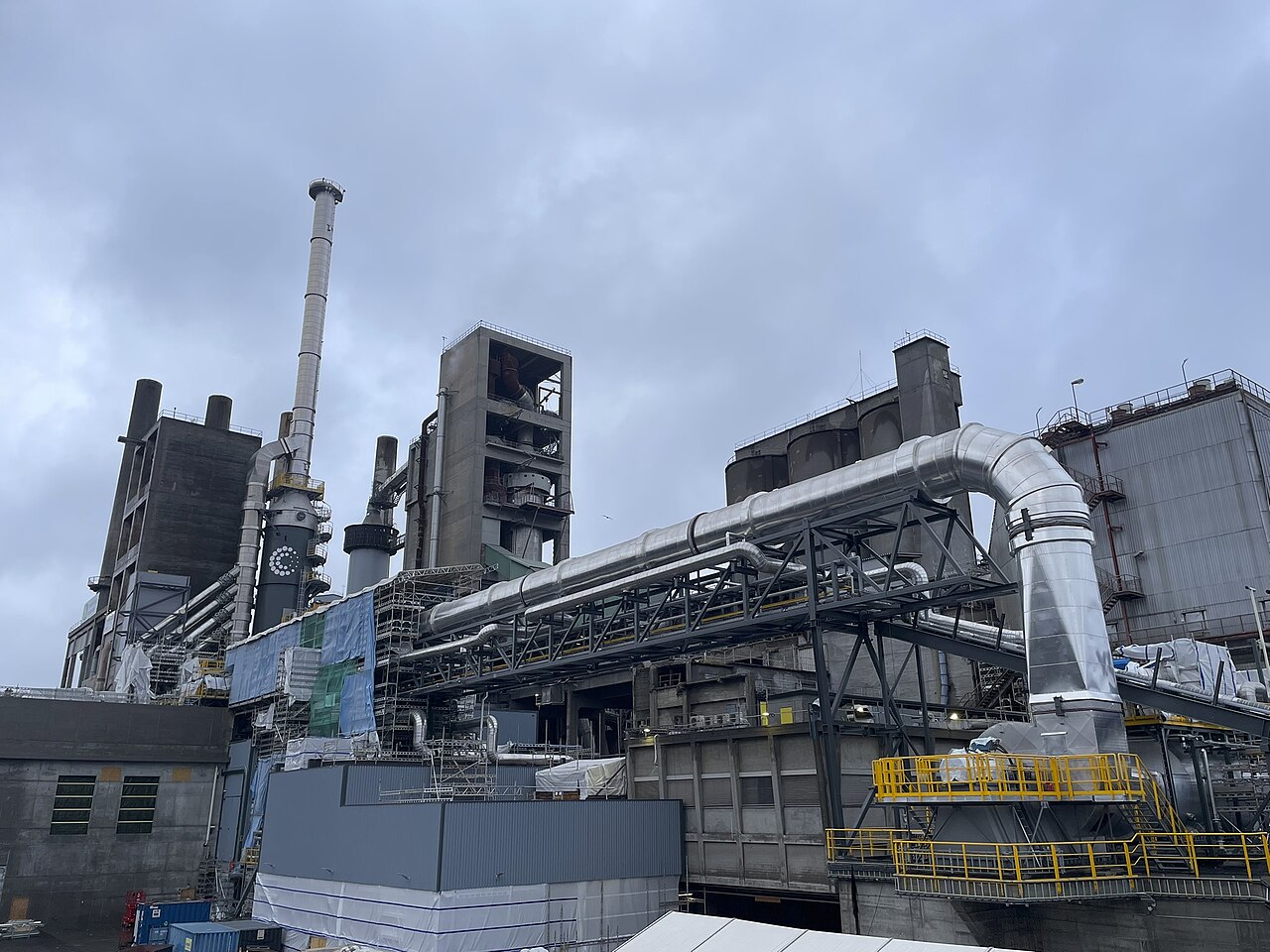
Carbon capture installation at the Heidelberg cement factory, Brevik, Norway. via Wikimedia Commons with usage type - Creative Commons License. By PutTheKettleOn - Own work, CC BY 4.0, https://commons.wikimedia.org/w/index.php?curid=158089453Featured Image Credit
Carbon capture installation at the Heidelberg cement factory, Brevik, Norway. via Wikimedia Commons with usage type - Creative Commons License. By PutTheKettleOn - Own work, CC BY 4.0, https://commons.wikimedia.org/w/index.php?curid=158089453


