
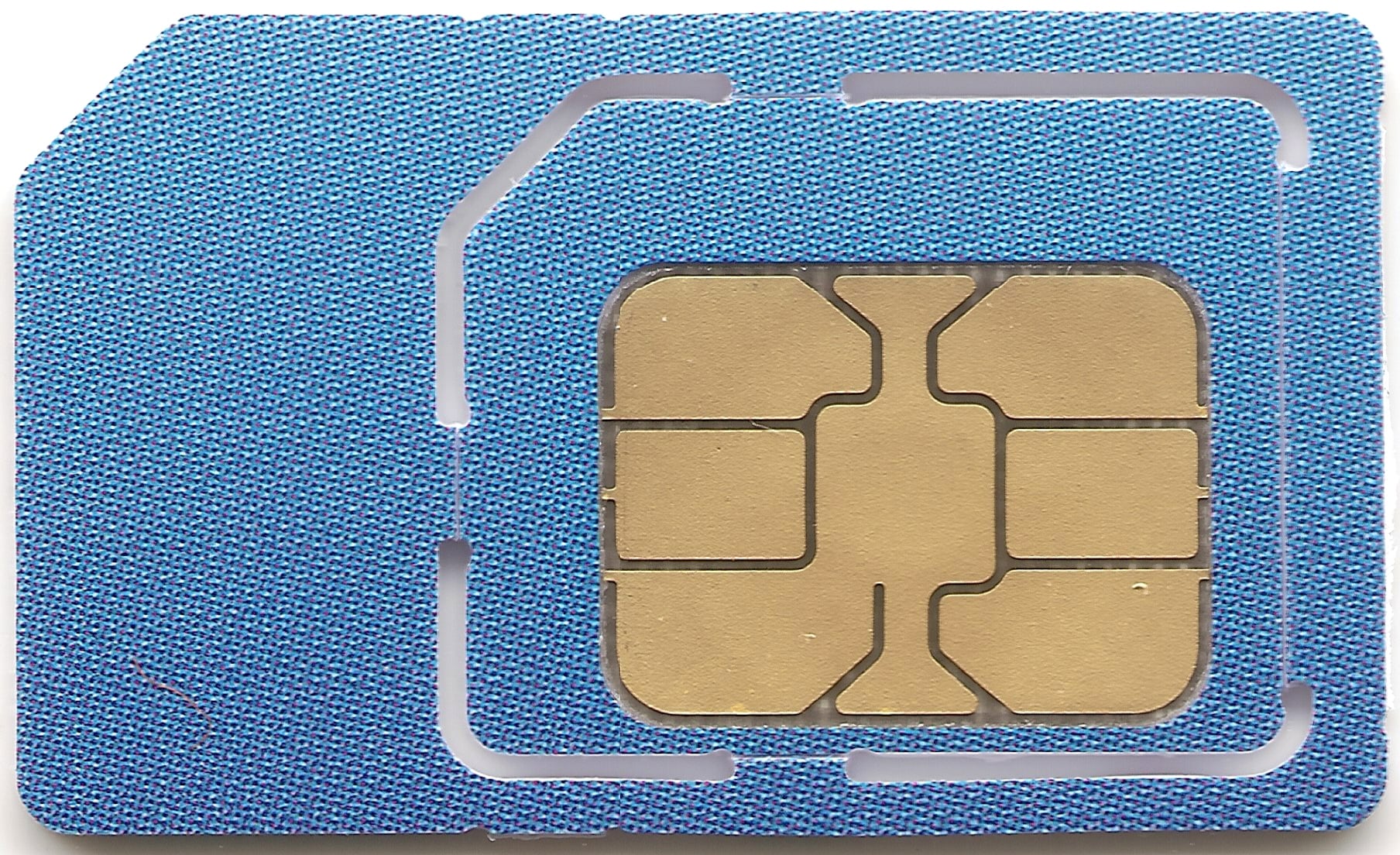
eSIM technology makes changing phone plans feel more like downloading an app than handling a tiny piece of plastic. A compatible phone can receive a carrier profile through an app, QR code, or built-in settings, while a physical SIM still requires inserting and removing a card. The core function remains the same: both identify your cellular subscription, and neither inherently provides better reception or faster data. The practical differences between eSIM and physical SIM come down to activation, portability, and what happens when something goes wrong.
The biggest advantage of an eSIM is convenience. Users can maintain multiple profiles on one device, keep separate personal and work lines, or download a temporary travel plan before leaving home. Apple says compatible iPhones can store eight or more eSIMs, while two lines can be active at once; newer iPhones can also use two eSIMs without a physical card. Apple’s setup documentation describes eSIM as an industry-standard digital SIM built into the phone.
Travel is another strong use case. Instead of buying a local card at an airport or waiting for one to arrive, an unlocked phone can be configured with an international eSIM before departure. The physical SIM can also be lost, damaged, or misplaced during a trip. Apple notes that an eSIM cannot simply be removed from a stolen iPhone, giving it a security advantage over a removable card, although a phone lock, account protection, and carrier safeguards remain essential. Apple’s international travel guidance also confirms that iPhones with a SIM tray can combine a physical SIM with an eSIM.
That convenience depends on compatibility, however. Both the handset and the carrier must support eSIM, and support can vary by model, country, and market. Google’s Pixel documentation says Pixel 4 and later phones support eSIM, but lists exceptions for some older region- or carrier-specific models. In the United States, Google’s current guidance says the Pixel 10, Pixel 10 Pro, and Pixel 10 Pro XL cannot use a physical SIM, illustrating how the balance is shifting toward embedded connectivity even as regional differences remain.
Physical SIM cards still have a simple advantage: moving service between compatible unlocked phones can be as easy as ejecting one card and inserting it into another. That can be especially useful when a phone breaks, when testing a backup device, or when traveling through markets where eSIM activation is less common. By contrast, transferring an eSIM may require carrier approval, an app, a QR code, or an internet connection. Converting a physical SIM to an eSIM also deactivates the original card once the migration is complete, according to Google’s support instructions.
Neither format bypasses a carrier lock, and an eSIM is not a workaround for an incompatible network. The most practical choice is therefore less about signal quality than personal priorities: eSIM is the cleaner option for frequent travelers, dual-line users, and people who rarely change devices, while physical SIM remains a useful fallback for broad compatibility and fast hardware swaps. As phone makers remove SIM trays from more models, checking carrier support and transfer procedures before buying the device matters more than ever.
Image Credits
In-Article Image Credits
Sim card for a mobile phone via Wikimedia Commons with usage type - Public Domain. By Telefónica O₂ EuropeScan by User:Mattes - Own scan — Hewlett-Packard Photosmart C 5280 Image scanner, million colors, Public Domain, https://commons.wikimedia.org/w/index.php?curid=18487446Featured Image Credit
Sim card for a mobile phone via Wikimedia Commons with usage type - Public Domain. By Telefónica O₂ EuropeScan by User:Mattes - Own scan — Hewlett-Packard Photosmart C 5280 Image scanner, million colors, Public Domain, https://commons.wikimedia.org/w/index.php?curid=18487446


