
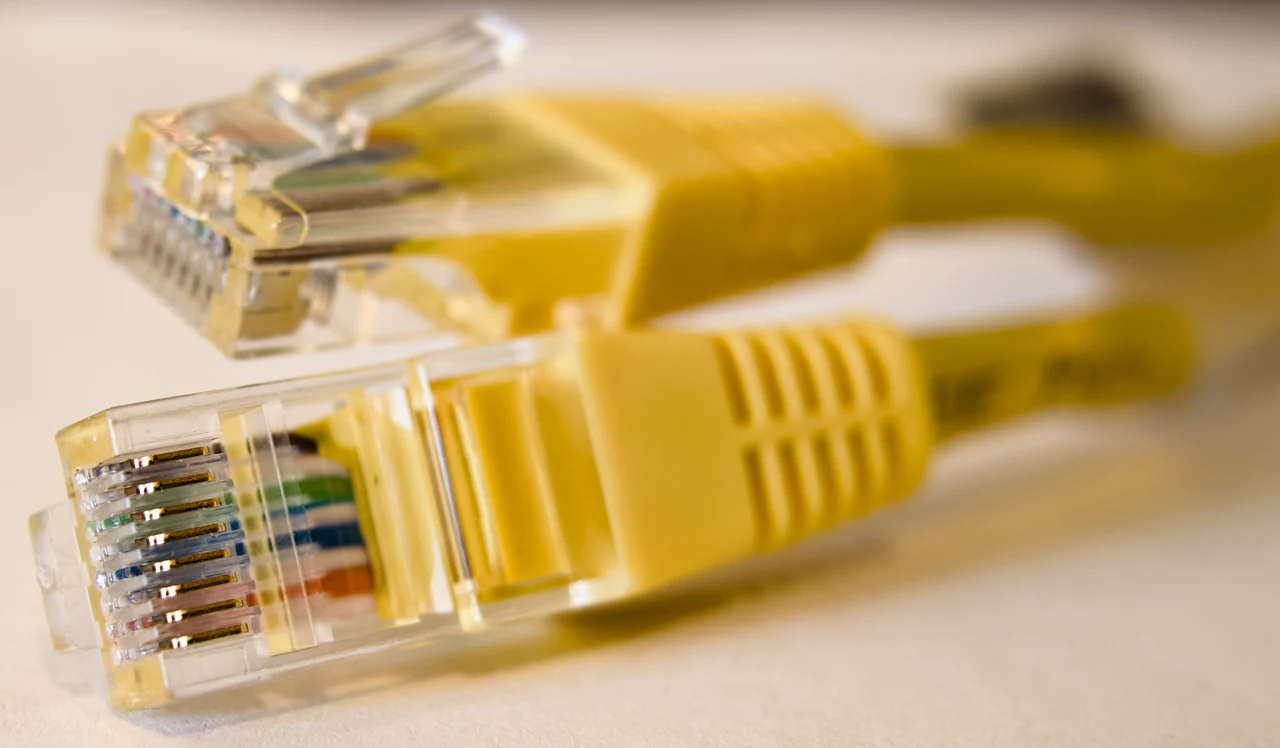
Running Ethernet outside is possible, but ordinary indoor cable is a temporary gamble rather than a proper installation. A cable that works perfectly across a bedroom can degrade quickly when exposed to sunlight, rain, temperature swings, abrasion, or soil pressure. The practical answer is simple: use cable designed for the environment, not merely cable that happens to fit the same RJ45 connector.
For a short exterior route—such as connecting a router to an outdoor access point—look for Cat5e or Cat6 explicitly labeled for outdoor, sunlight-resistant, or wet-location use. Outdoor jackets are built to tolerate ultraviolet exposure and moisture better than typical indoor PVC jackets. Belden’s Category 6 indoor/outdoor cable specifications, for example, distinguish wet-location suitability from permission to bury the cable directly.
That distinction matters. A cable rated for outdoor use is not automatically rated for direct burial. Underground runs face standing water, freezing and thawing, rocks, rodents, landscaping equipment, and the crushing force of soil. A genuine direct-burial product may use water-blocking tape, powder, or gel to keep moisture from traveling along the conductors if the jacket is damaged. Even then, local rules may require conduit, a specific burial depth, or a particular cable rating.
Conduit is often the more forgiving choice for a homeowner. It adds mechanical protection and makes future replacement easier, but it does not magically convert indoor cable into outdoor cable: condensation and trapped water can still create problems, and the cable inside must be suitable for the conditions. Above ground, secure the run with outdoor-rated clips or supports, keep it away from sharp edges, leave room for gentle bends, and avoid hanging it where wind can repeatedly flex or abrade the jacket.
The biggest risk is not always weather damage. An Ethernet line that travels between buildings can provide a path for lightning-induced surges or electrical potential differences, potentially damaging switches, computers, cameras, and power-over-Ethernet equipment. Cisco’s hardware guidance calls for approved circuit protection when Ethernet cabling is routed outdoors, while purpose-built products such as Ethernet surge protectors are designed for outdoor network links. Installation and grounding should follow local electrical requirements; a casual shield connection can be worse than no shield at all.
So, can regular Ethernet cable survive outside? It may handle a brief, sheltered test run, but that is not the same as a reliable network installation. For a permanent exterior connection, choose an outdoor-rated cable; for a route beneath a yard, choose direct-burial cable or protected conduit; and for links between separate structures, plan surge protection before plugging in expensive network gear. The small savings from reusing indoor cable rarely justify digging up the yard—or replacing the equipment at both ends.


