
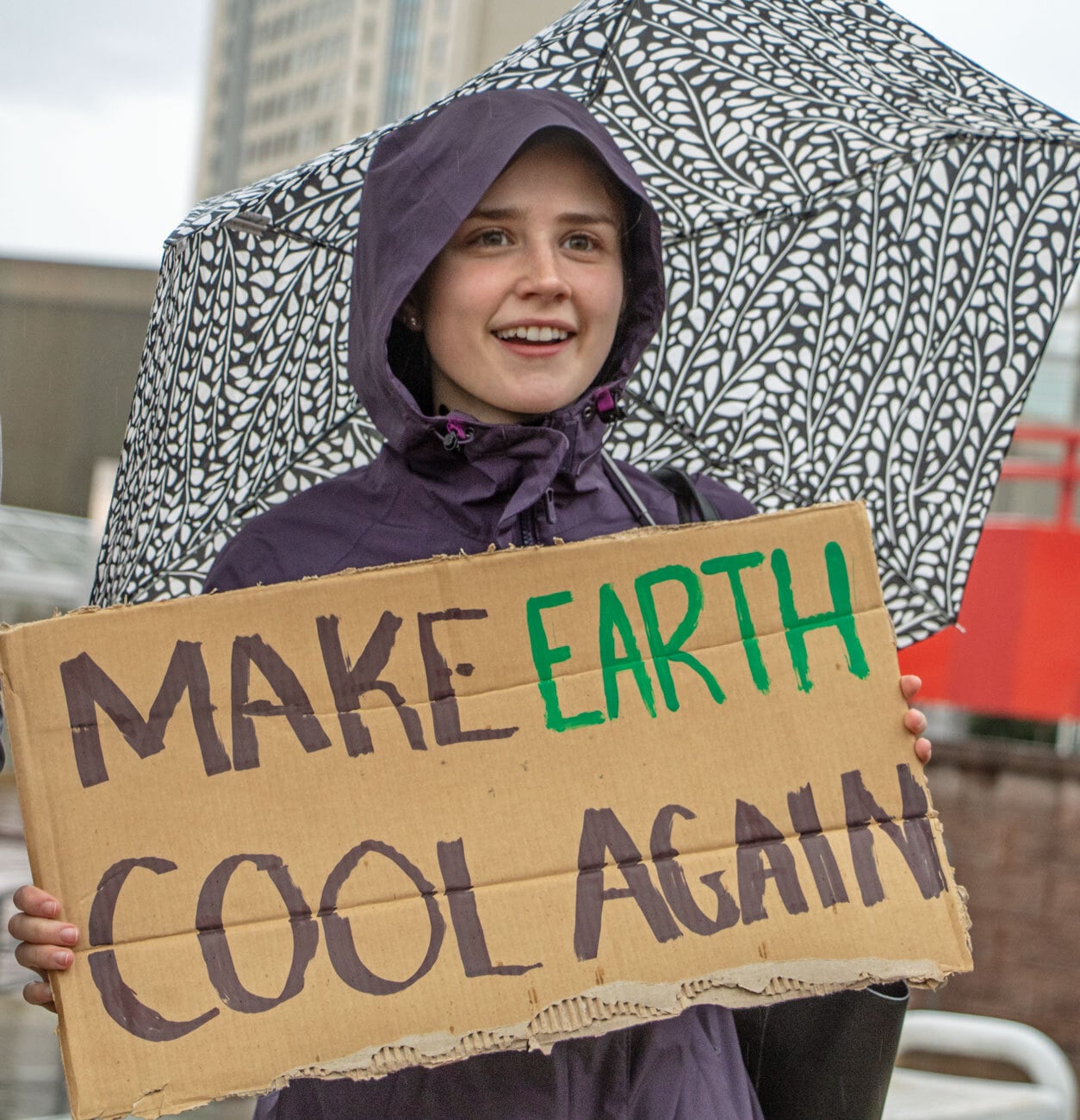
Climate anxiety is not a simple pipeline from fear to activism. A new study of U.S. teenagers and young adults finds that distress about the climate can encourage some people to change their habits or join collective efforts, while leaving others overwhelmed and disengaged. The research, which examines why climate worry produces such different responses, identifies emotional overload—and annoyance at the intensity of climate panic—as important pieces of the puzzle.
Published in Climate, the study is titled “Predictors of Willingness to Engage in Climate Mitigation Behavior and Eco-Paralysis Among Youth in the United States.” Brianne Suldovsky, Sarah E. Vaala and Matthew A. Lapierre examined participants ages 13 to 22, looking at both individual choices and collective behavior. The researchers found that climate distress could be associated with actions such as reducing waste, but it could also coincide with “eco-paralysis,” a state in which the scale of the crisis makes taking any step feel pointless.
One of the study’s more revealing findings concerns what the researchers call climate contempt: frustration or irritation toward the alarm surrounding climate change. When that reaction appeared alongside climate stress, young people were more likely to disengage. That complicates the familiar assumption that increasing the emotional intensity of climate messaging will automatically produce more action. Fear may create urgency for one person and avoidance for another, particularly when the problem feels too large to influence.
The results fit a wider body of research showing that climate distress is widespread among young people. A 2024 survey of nearly 16,000 U.S. respondents ages 16 to 25 found that 85% were at least moderately worried about climate change, while many also reported anxiety, anger, sadness or powerlessness. At the same time, large majorities supported stronger action from governments and corporations, suggesting that concern and willingness are not opposites—even when personal agency is uneven.
Support systems may determine which direction that concern takes. The American Psychological Association points to emotional validation, social connection, time in nature, self-care and practical opportunities to participate as ways of helping young people turn distress into agency. Research and clinical guidance also increasingly emphasize group activity: joining a school organization, community project or advocacy effort can make climate action feel shared rather than solitary.
For educators, parents and climate organizations, the study’s message is less about reducing awareness than changing how awareness is handled. Information that offers no credible path forward can deepen paralysis, while concrete projects and supportive communities can give worry somewhere to go. The next challenge is building climate communication that acknowledges the seriousness of the crisis without treating despair as proof of commitment—and that makes room for young people who need support before they are ready to act.


