
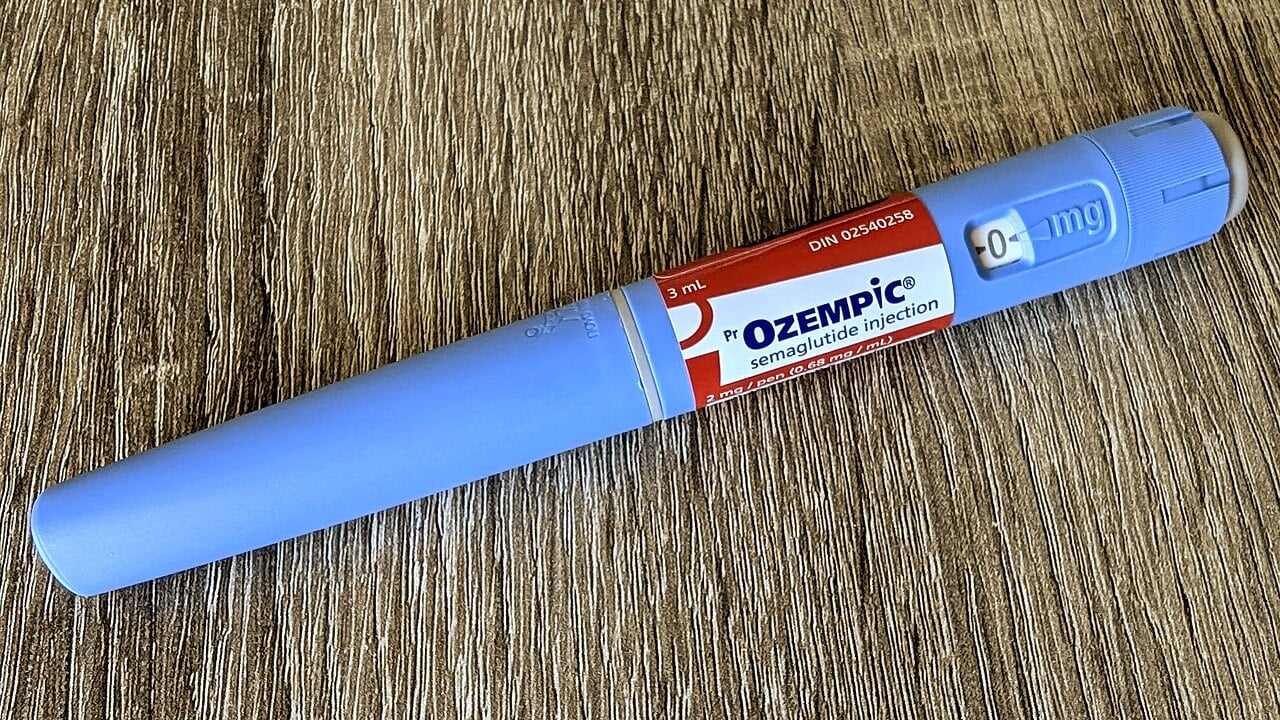
A massive analysis of more than 750,000 pregnancies is complicating the safety conversation around Ozempic, Wegovy, and related GLP-1 drugs. Researchers found that exposure early in pregnancy was associated with a higher rate of premature birth when the medication had been prescribed for diabetes—but not when it had been prescribed for weight management. The findings, detailed in a new study of early GLP-1 exposure, suggest that the underlying disease may explain more of the risk than the drugs themselves.
The research examined pregnancies involving liraglutide, sold as Saxenda, and semaglutide, the active ingredient in Ozempic and Wegovy. Compared with unexposed pregnancies, diabetes patients taking liraglutide had 70% higher adjusted odds of delivering before 37 weeks, while those taking semaglutide had 84% higher odds. The same statistical signal did not appear among patients using either medication specifically for weight management.
That distinction matters because diabetes itself can make pregnancy more medically complicated. Elevated blood sugar, vascular problems, and other conditions associated with diabetes may contribute to early delivery, making it difficult to separate medication effects from the health reasons a prescription was issued in the first place. The researchers’ interpretation is therefore cautious: the results point toward confounding by the underlying condition, but they do not prove that GLP-1 drugs are safe during pregnancy.
The study also found no meaningful increase in the other major complications it evaluated among the weight-management group. However, the weight-loss cohorts were relatively small compared with the overall pregnancy population, so a lack of a statistically significant association is not the same as evidence that no risk exists.
That uncertainty is reflected in clinical guidance. The American College of Obstetricians and Gynecologists’ 2026 advisory summarizes emerging evidence while noting increased rates of preterm delivery and other outcomes in a separate large cohort of GLP-1-exposed pregnancies. Meanwhile, a 2026 systematic review and meta-analysis found no statistically significant overall increase in preterm birth, underscoring how much the result can change depending on the comparison group and the medical reason for treatment.
For patients who discover they are pregnant while taking Ozempic, Wegovy, or a similar drug, the practical takeaway is not to interpret the study as permission to continue or as proof that harm has occurred. Medication decisions should be made promptly with an obstetrician and the prescribing clinician, with diabetes management treated as a separate priority. More complete pregnancy registries and larger studies will be needed to determine whether the apparent premature-birth association belongs to the drugs, diabetes, or the combination of both.
Image Credits
In-Article Image Credits
A semaglutide GLP-1 (Ozempic) self-injection pen via Wikimedia Commons by Dennis Sylvester Hurd with usage type - Creative Commons License. By Dennis Sylvester Hurd - Saturdays, CC0, https://commons.wikimedia.org/w/index.php?curid=175778404Featured Image Credit
A semaglutide GLP-1 (Ozempic) self-injection pen via Wikimedia Commons by Dennis Sylvester Hurd with usage type - Creative Commons License. By Dennis Sylvester Hurd - Saturdays, CC0, https://commons.wikimedia.org/w/index.php?curid=175778404


