
Polygon recently rolled out a beginner-friendly explainer on Pokémon Trading Card Game card types, a reminder that even this colorful kids’-show spin-off has a surprisingly dense rules backbone. At the heart of that backbone are three major card families—Pokémon, Trainer, and Energy—that every deck, from prebuilt starter to tournament-winning list, relies on in different ratios. Understanding what each family does is the first real step from “I like Pikachu” to “I’m piloting an actual strategy” at your local game shop.
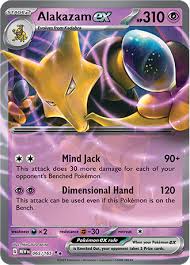
Pokémon cards are the stars of the show, representing the creatures you send into battle, along with their hit points, type, and attacks. The official rulebook breaks Pokémon into Basic, Stage 1, and Stage 2, with the latter two also called Evolution cards that must be played on top of the matching earlier stage. You can drop Basic Pokémon straight from your hand onto the bench, but you have to wait a turn before evolving them, which turns deck-building into a puzzle of how many Basics and evolutions you can afford to run without clogging your hand. Each Pokémon card carries at least one Energy type icon—Grass, Fire, Water, Lightning, Psychic, Fighting, Darkness, Metal, Dragon, Fairy, or Colorless in the TCG ruleset—and those types determine both weaknesses and what Energy you need to fuel attacks. Over the years, Pokémon cards have spawned sub-classes like Pokémon-ex, Pokémon-GX, Pokémon V, VMAX, and newer Tera Pokémon ex, which typically come with boosted stats and flashier attacks but often balance that power with extra prize card penalties when they’re knocked out.
If Pokémon are your frontline fighters, Trainer cards are the support crew—items, allies, locations, and tools that manipulate almost every other part of the game state. The modern game divides Trainers into Items, Stadiums, Supporters, and Pokémon Tools, with the subtype clearly labeled in the card’s upper-left corner and special rules spelled out in the text box. Item cards are usually cheap, flexible effects: searching your deck for specific cards, healing damage, or letting you move Energy and Pokémon around the board. Supporter cards tend to be much more powerful but come with a once-per-turn restriction, with many staple cards simply letting you draw a large new hand or dig for key pieces to keep your engine running. Stadium cards act like a shared battlefield, sitting in play and modifying conditions for both players—boosting damage for certain types, changing retreat costs, or messing with Special Energy—until someone replaces them. Pokémon Tools, meanwhile, attach directly to a Pokémon and stick around, granting ongoing buffs like extra HP, movement tricks, or attack bonuses that can quietly swing long games.
Energy cards are the fuel, and without them your Pokémon just sit there looking pretty. Most attacks list one or more Energy symbols in their cost, and you have to match those symbols with Energy cards attached to that Pokémon before you can declare the attack. The core rules allow you to attach one Energy card from your hand per turn, which makes early-game attachments a critical tempo decision—you’re effectively choosing which threats you want online a few turns from now. The TCG recognizes eleven Energy types that line up with Pokémon card types, but they fall into two broad categories: Basic Energy and Special Energy. Basic Energy cards are the evergreen, always-legal backbone of most decks, while Special Energy cards layer on conditionals and bonuses, bundling effects like multiple type coverage, damage reduction, or extra draw into a single attachment at the cost of being more tightly regulated by formats and ban lists.
Once you see those three families clearly, the whole game starts to resolve into a coherent picture rather than a swirl of holofoil art. The official learn-to-play materials lay down a few key structural rules—a 60-card deck, no more than four copies of any card name, six prize cards to claim by knocking out opposing Pokémon—that give you the container your Pokémon, Trainer, and Energy choices have to fit inside. Formats such as Standard and Expanded then layer rotation rules and bans over that structure, which in turn dictate which Trainer engines and Energy packages are viable in competitive lists. Beginner guides from publishers and hobby distributors alike consistently emphasize that good decks aren’t just stuffed with favorite Pokémon; they’re carefully balanced mixes of attackers, consistency-boosting Trainers, and enough Energy to reliably power your plan over multiple turns.
For new players coming from the video games or anime, the best path into the TCG is to start with a preconstructed deck and use these three card families as a lens while you play, noting which Pokémon actually close games, which Trainer cards fix bad draws, and which Energy cards feel dead in hand. From there, official rulebooks and product guides, fan wikis, and explainer articles like Polygon’s breakdown provide a layered look at more advanced mechanics—rarity systems, evolving card designs, and the ever-expanding roster of special Pokémon and Trainer subtypes. Once you’re comfortable reading a card and instantly slotting it into “creature, support, or fuel,” you’re ready to start tweaking lists, hunting singles, and, eventually, building that terrifying deck where every topdeck feels like part of a plan rather than a coin flip.


