
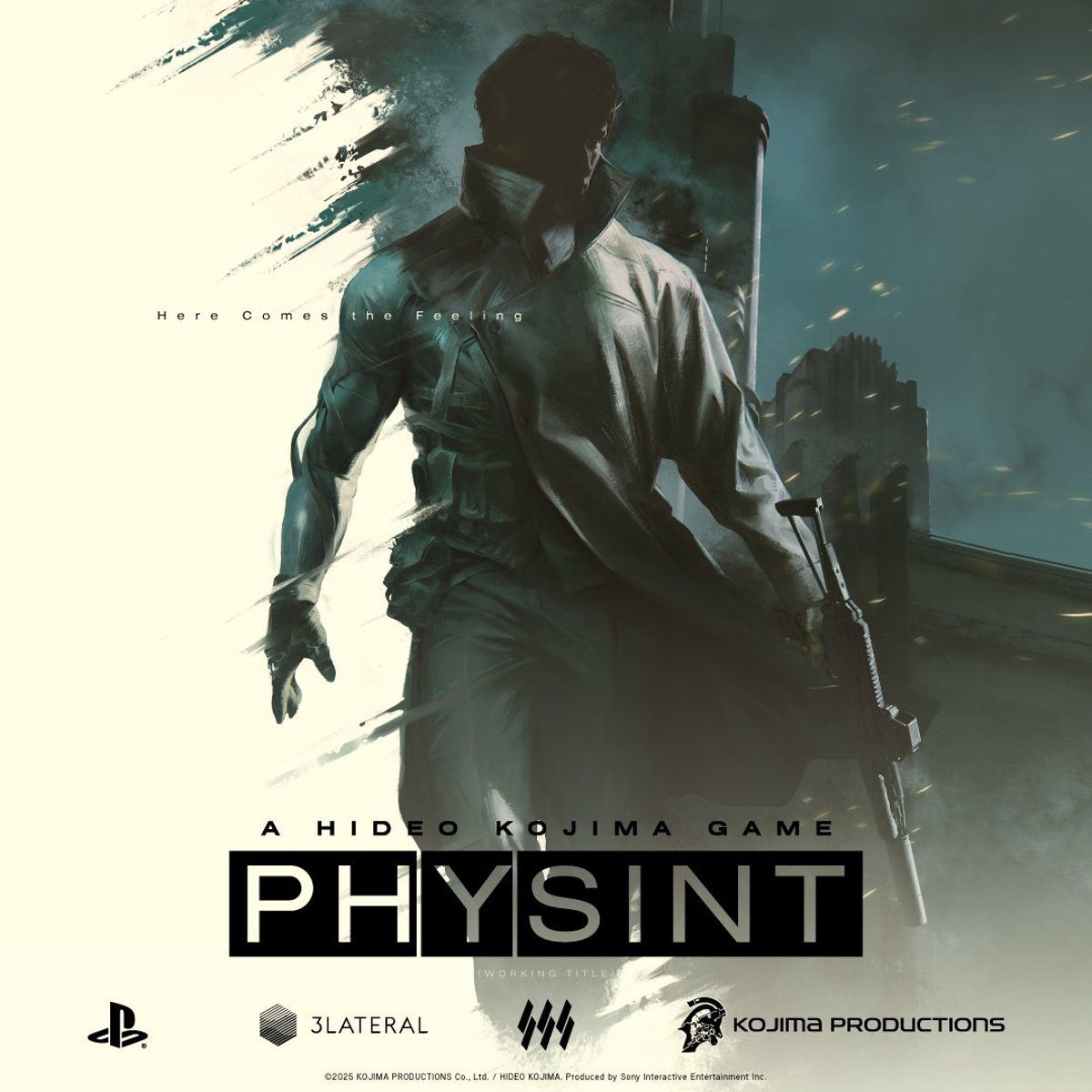
PlayStation just let its closest thing to a new Metal Gear Solid walk out the door, and Xbox scooped it up. At the same time that Marvel’s Wolverine is drawing tepid critical response and sparking worries about Sony’s increasingly safe first-party formula, Hideo Kojima’s long-teased “next‑generation action espionage” project Physint has officially shifted from a PlayStation‑backed flagship to an Xbox‑published title, amplifying concerns that Sony is losing its edge as a home for bold, defining single‑player experiences.
Physint burst onto the scene during PlayStation’s January 2024 State of Play, framed as a brand‑new espionage IP from Kojima Productions and positioned as a spiritual successor to Kojima’s own Metal Gear series. Sony billed it as a “next‑generation action espionage game,” echoing Metal Gear’s “tactical espionage action” tag and signaling an effort to recapture the kind of genre‑redefining stealth drama that helped cement the original PlayStation’s legacy. Early coverage highlighted Kojima’s ambition to blur the line between cinema and games, and reported casting of Charlee Fraser, Don Lee (Ma Dong‑seok), and Minami Hamabe hinted at a globetrotting, prestige thriller built around a star ensemble. Kojima himself suggested a five‑to‑six‑year development cycle, putting launch sometime around the early 2030s and making Physint a likely showcase for the next console generation.
That long runway makes Sony’s decision to walk away all the more shocking. In early September, PlayStation Studios issued a brief statement saying that after “careful consideration” it had made the “difficult decision” to step back from collaborating with Kojima Productions on Physint, while stressing its admiration for Kojima’s vision and insisting the relationship remained “solid”. Shortly afterward, Kojima posted a more pointed clarification on his personal channels: “In mid-June of this year, we unexpectedly received notice from PlayStation Studios that they would cancel the PHYSINT project,” he wrote, making clear that from his perspective the game had been outright killed, not merely paused or restructured. Kojima explained that Kojima Productions pushed to save Physint and ultimately secured a new publishing deal with Xbox, ensuring the project would continue under Microsoft’s umbrella.
For many PlayStation fans, the optics are brutal. IGN’s Matt Purslow has already argued that Sony’s first‑party slate is trapped in a loop of hyper‑polished, cinematic third‑person adventures that follow a familiar playbook: lavish cutscenes, guided stealth in waist‑high grass, approachable combat layered with light RPG systems, and an “ultimate” meter to cash in big moments. That template powered juggernauts like Uncharted, The Last of Us, and God of War, but Wolverine’s sub‑80 Metacritic and lukewarm buzz suggest the formula is finally losing its sheen. Instead of doubling down on a truly weird, potentially era‑defining stealth experiment from one of gaming’s most eccentric auteurs, Sony chose to cut ties with Physint right when it needed a new creative North Star.
The move stings even more in the wider stealth space. Microsoft recently shuttered Arkane Austin, the studio behind Dishonored’s lineage of immersive stealth sandboxes, leading many to assume the company was deprioritizing the genre. Seeing Xbox turn around and bankroll Kojima’s big espionage epic feels like a cruel twist: Arkane’s stealth talent is dispersed, but Xbox now gets to sell the prestige “Hideo Kojima espionage game” that PlayStation first championed. Xbox’s messaging frames Physint as a centerpiece of its ongoing partnership with Kojima Productions, following their separate cloud‑powered project, and positions the game as a long‑term pillar for its first‑party catalog rather than a risky indulgence.
Meanwhile, Physint’s transition underlines how fragile brand identity can be when platform holders chase short‑term risk mitigation over long‑term distinctiveness. Kojima’s games are notoriously strange, polarizing, and expensive, but they also help define the texture of a platform’s library in ways marketing beats alone cannot. Letting a “next‑generation action espionage” blockbuster slip away to a rival right as players are questioning the sameness of your own exclusives sends a powerful message about priorities. Physint is still years away, and there is plenty of time for Sony to cultivate its next boundary‑pushing auteur project—but for now, the image that lingers is PlayStation cancelling what looked like its next Metal Gear‑sized swing and Xbox eagerly stepping up to take the shot.


