
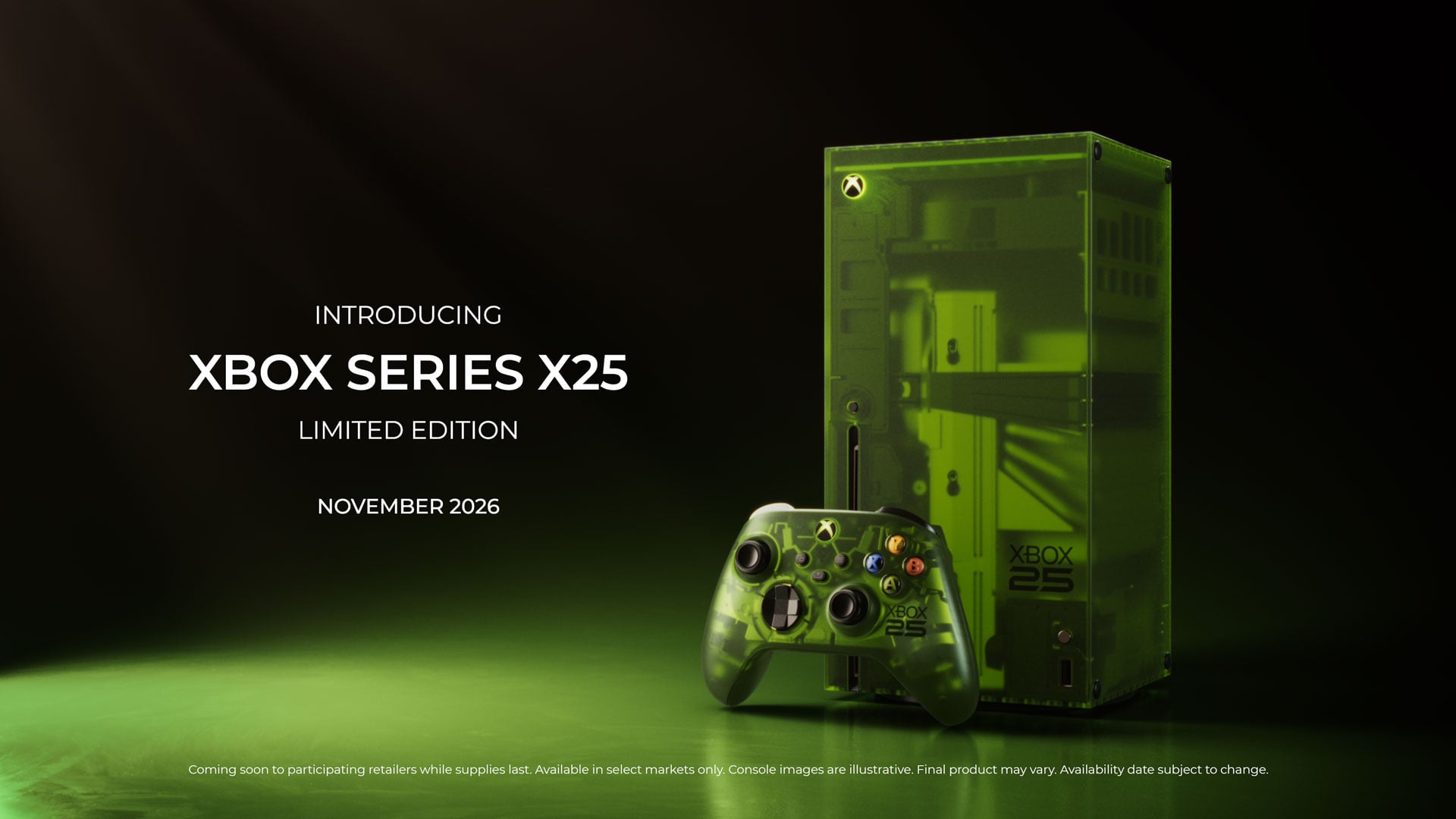
If you’ve parked an Xbox Series X under your TV since launch, the obvious question is how long that black monolith will stay relevant before it turns into a very expensive paperweight. The short answer: Microsoft appears to be treating the Series X as a long-haul machine, with formal support stretching to at least 2028 and multiple programs in place to keep the hardware repairable well beyond that window.
On paper, the Series X already has one of the healthier planned lifespans in modern console history. Microsoft’s own documentation for certified refurbished units pegs the official support period for the Series X (model 1882) from its November 10, 2020 launch through November 10, 2028. Reporting from outlets covering Xbox support policies notes that Microsoft has committed to delivering security updates and keeping core online services like the store, cloud saves and multiplayer running on Series X and Series S until at least that same date. That’s an eight-year baseline, and the precedent from last gen is encouraging: the Xbox One, which debuted in 2013, is still receiving system software updates in 2026.
Hardware-wise, the Series X was engineered with longevity in mind rather than flashy industrial design. Teardown guides point out that the tall, chimney-like form factor is built around airflow, with a large fan and stacked internals designed to move heat out efficiently—critical for electronics expected to run for hours at a stretch. Repair specialists and tech outlets describe the Series X as “fairly repairable” and flag three common failure points: the disc drive, the internal power supply unit and the HDMI port. Documentation and environmental info from Microsoft indicate that key components such as the optical drive, motherboard and internal PSU are slated to remain available for official repair operations for at least two years after the last Series X consoles are sold, giving the hardware a second life even after retail sales stop.
Where this generation really differs from the red-ring horror stories of the Xbox 360 era is in formal repair pathways. Out of the box, Series X owners typically get a one-year limited warranty, with the option to extend coverage to around three years via programs like Microsoft’s extended protection plans. Microsoft’s support site lets you check warranty status, see estimated out-of-warranty repair fees and submit service orders for consoles that qualify. For hands-on geeks, there is now an official self-repair track: Xbox offers replacement components for Series X models that meet its serial number requirements, allowing owners to swap parts themselves if they’re comfortable opening the box. Guides note that tasks like replacing the power supply, internal storage or antenna boards mostly require patience and a basic driver set, while disc drive work involves rudimentary soldering and HDMI port repair jumps into advanced microsoldering territory.
Even if you never crack the case, Microsoft is clearly trying to make sure busted consoles don’t automatically become landfill. In 2025, the company expanded its repairability program, designating uBreakiFix by Asurion as an authorized Xbox service provider across hundreds of U.S. locations and opening up more replacement components for Series X|S through the Microsoft Store and a repair hub partnership with iFixit. The company framed these moves as a way to extend device longevity, reduce waste and promote reuse, and for players it translates into more local, out-of-warranty repair options that don’t require mailing your console off for weeks. Between official channels, third-party shops and DIY-friendly part availability, the Series X ecosystem is far more repair-centric than most past consoles.
Actual lifespan, of course, depends on how you treat the machine. Reports surveying Xbox owners and repair techs suggest that modern consoles like the Series X typically stay functional for six to ten years when they’re kept in well-ventilated spaces and cleaned regularly. Engadget’s breakdown stresses simple maintenance like keeping vents and ports free of dust so airflow isn’t choked off—a cheap habit that can dramatically cut down on overheating and premature component failure. Many of the repairs shops perform today involve cleaning out clogged systems and refreshing thermal paste rather than replacing catastrophic failures, which underscores how much day-to-day care matters.
From a geek-culture perspective, what really matters is not just whether the box powers on, but whether it stays worth turning on. Here Xbox is playing the long game: the Series X was pitched as a backbone for “four generations” of Xbox gaming, with strong backward compatibility that lets players carry libraries and accessories forward from Xbox One while still tapping new features and next-gen releases. As long as Microsoft keeps shipping cross-gen titles and supporting older consoles in its ecosystem, a well-maintained Series X should remain a viable way to play big releases and Xbox Game Pass staples for years after 2028, even if shinier hardware arrives. Treat it right, and that tower under your TV is likely to stay in rotation for close to a decade or more.


