
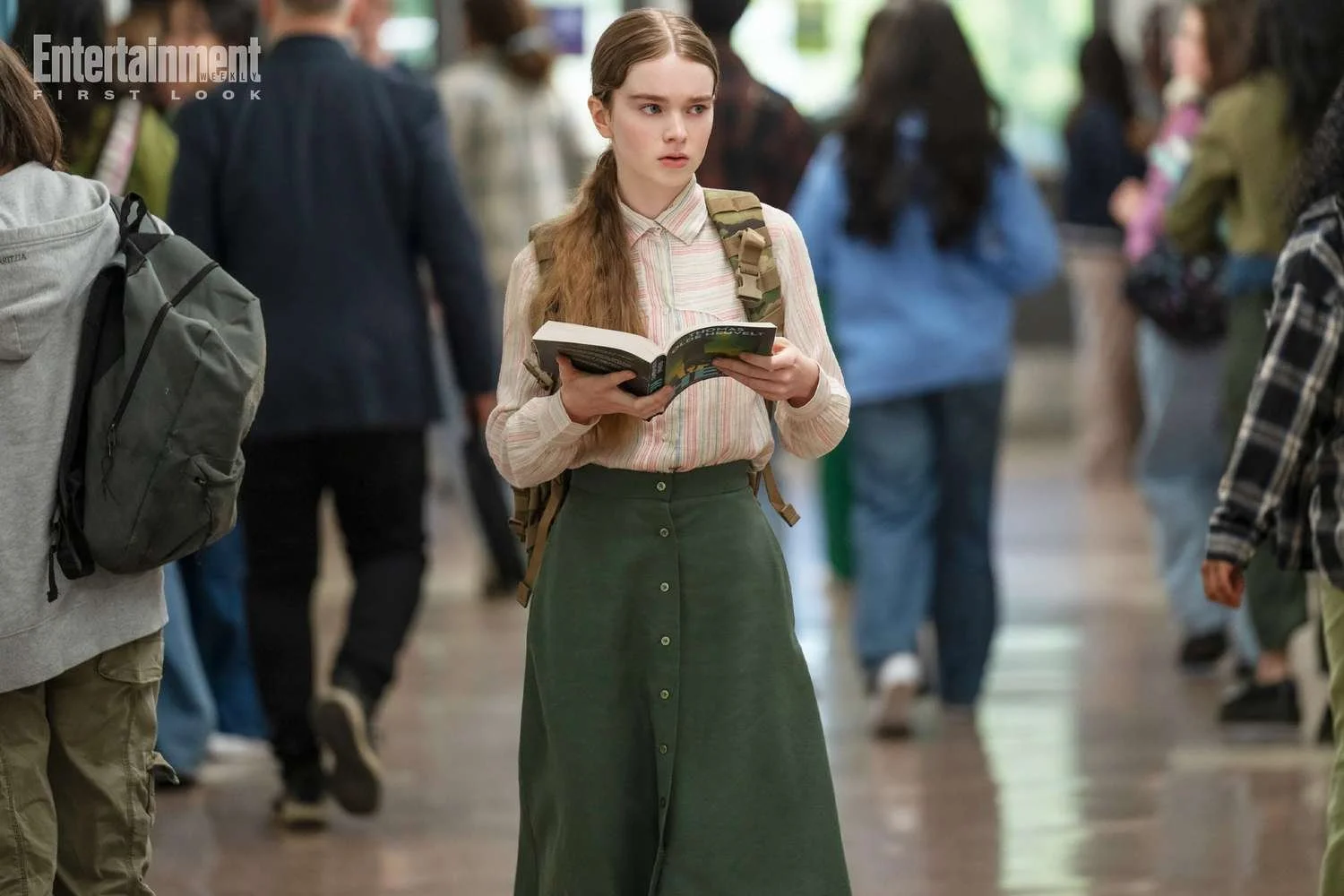
For Prime Video’s new eight-episode Carrie series, showrunner Mike Flanagan isn’t just remixing Stephen King’s debut horror story — he’s remaking it with King in the room, actively pushing for some of the boldest departures from the original book. The modern adaptation lets Carrie White survive prom night, teases a wider world of telekinetic teens, and reframes the infamous massacre, and Flanagan says those seismic shifts came out of ongoing conversations with King rather than any resistance to changing the canon.
Both creators started from a place of skepticism about whether the world really needed another version of Carrie after Brian De Palma’s landmark 1976 film and multiple subsequent remakes. King reportedly told Flanagan he thought the story had already been done, and Flanagan agreed he generally avoids straight remakes unless there’s a new angle. The breakthrough was treating the series as a contemporary high school horror saga set in 2026, where the bullying that destroys Carrie plays out through social media pile-ons, cyberbullying, and the omnipresent dread of school-shooter drills rather than just whispered taunts and locker-room cruelty. That shift opened the door to explore Gen Z anxiety, normalized online cruelty, and the toxic feedback loop of clout-chasing teens who turn Carrie’s pain into viral content.
Once Flanagan committed, King didn’t simply give a thumbs-up and walk away — he embedded himself in the adaptation process. Flanagan has described how every major change to the season’s structure, every script, each casting decision, and the finished cuts of episodes were sent to King, who weighed in on the evolving shape of the story. Entertainment coverage has highlighted that King encouraged Flanagan to treat the original novel as “eternal” while insisting that De Palma’s film already nailed a faithful page-to-screen translation, meaning the only real justification for a new adaptation was to do something radically different. That mandate led to new characters like Emaline, another young woman with psychic abilities whose creation King directly contributed to, positioning Carrie within a broader community of people who share her telekinetic “TK gene.”
The most dramatic break from the book is that Carrie doesn’t die when Chamberlain burns. In King’s novel and most prior screen versions, her powers culminate in the destruction of the prom and much of the town, ending in her own death and a bleak coda about the lingering trauma. Flanagan’s series instead lets Carrie survive the fiery climax and escape town alongside Emaline, reframing the prom disaster as a horrifying turning point rather than the end of her story. Coverage of the show has likened Flanagan’s three-season plan to “Stephen King’s X-Men,” with the TK gene and the science behind telekinesis reimagined as the backbone of a larger mythos where Carrie could find others like her. King embraced that expansion, and reporters note he even offered ideas for how Emaline functions as a mirror and guide for Carrie as she learns she’s not alone. The series also redistributes blame for the prom deaths across multiple characters, emphasizing systemic cruelty and complicity rather than framing Carrie as a lone, uncontrollable monster.
Flanagan’s formal choices underline this character-first approach. Unlike the novel and De Palma’s film, the show doesn’t open with the notorious locker-room shower scene that exposes Carrie’s vulnerability and triggers a wave of bullying. Instead, that moment is held until the end of the first episode, pointedly titled “First Period,” so viewers spend more time with Carrie as a person before watching her suffer that trauma. Flanagan has said he wanted the sequence to play as a development of power rather than just a jump-scare catalyst, tying the emergence of Carrie’s abilities to her emotional journey. Stretching the story to eight episodes, with runtimes hovering around 45 to 60 minutes, also gave room to deepen side characters — including male classmates and authority figures that earlier adaptations often sketched thinly. Those expanded arcs further reinforce the idea that the cruelty Carrie faces is cultural and systemic, not confined to a few cartoonishly evil bullies.
For horror fans, this version of Carrie lands at the intersection of King’s legacy and Flanagan’s growing reputation as the “King whisperer” of modern genre TV. Flanagan has already tackled King’s work in Gerald’s Game, Doctor Sleep, and The Life of Chuck, and he compares his approach here to what he did on The Haunting of Hill House, Bly Manor, and The Fall of the House of Usher — taking familiar stories apart and building something new from their bones. Early episodes premiered at the Toronto International Film Festival before the full season dropped on Prime Video on October 7, 2026, positioning the show as both a prestige horror event and a bingeable genre hit. Interviews and features hint that King is already feeding ideas for potential future seasons, continuing Carrie’s journey beyond Chamberlain in a way that was never possible when her story ended in a pile of rubble. For once, a Stephen King adaptation isn’t just paying homage to the source material; it’s letting the author himself blow up the ending and imagine what happens when a horror icon gets to live long enough to find her people.


