
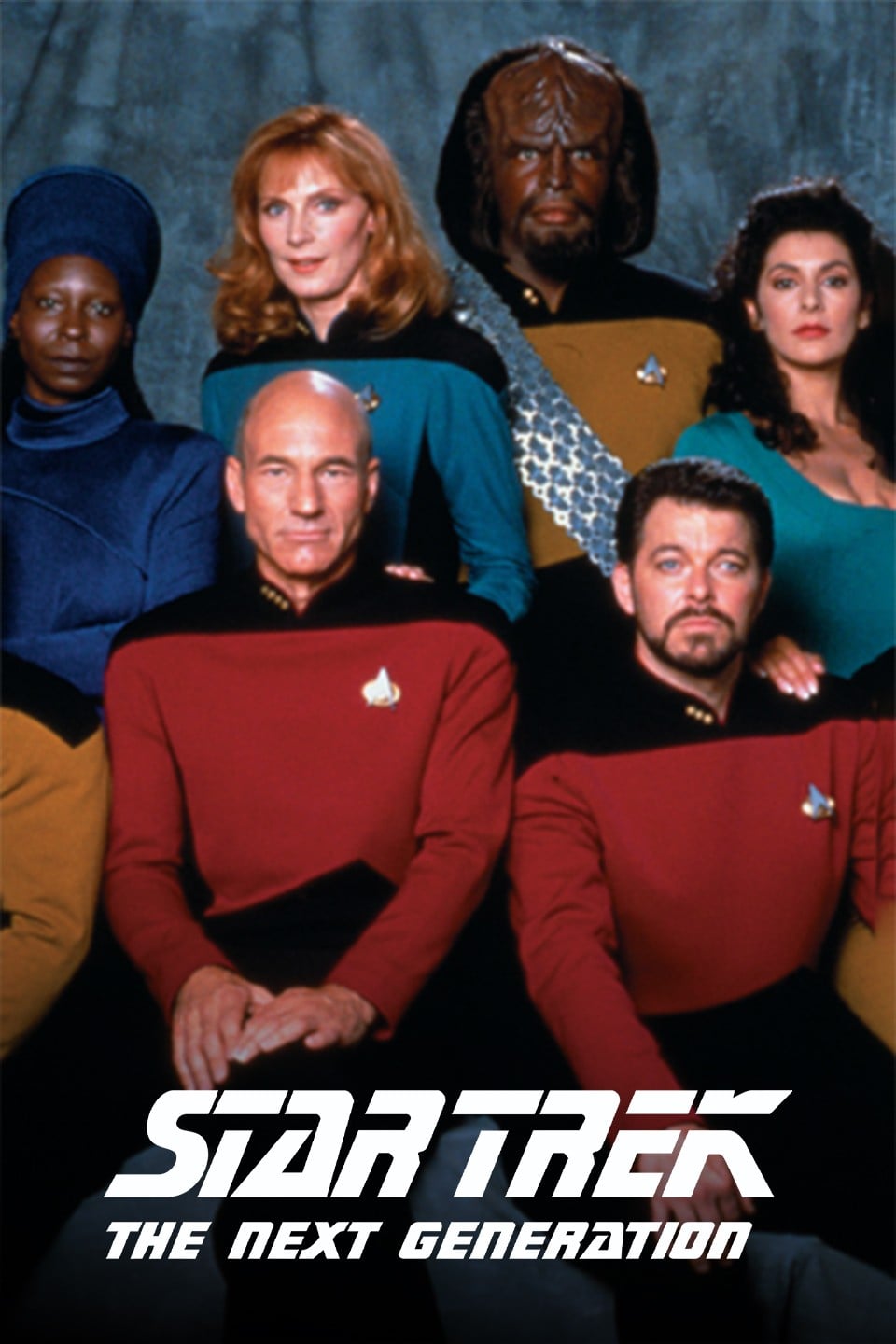
Star Trek’s 60th anniversary isn’t just revisiting old voyages – it’s quietly swapping out Jean-Luc Picard for a very different Next Generation-era lead in the new game Star Trek: Shadow Frontier, a psychological horror thriller slated for 2027. Instead of another Picard-focused story, the spotlight shifts to Bajoran officer Ro Laren, pulling Trek’s most buttoned-up era into full-on survival horror.
Star Trek: Shadow Frontier is being developed by horror specialists Bloober Team and published by Paramount Games Studio as a single-player sci-fi survival horror action-adventure. The game strands Ro on a mysterious, uncharted planet that doubles as a starship graveyard after she answers a distress call and crash-lands there, forcing players to navigate twisted creatures, a hostile ecosystem, and an entity that wants to consume her body and mind. It’s positioned as a psychological thriller in the vein of Bloober’s earlier work and is currently targeting PlayStation 5, Xbox Series X|S, Nintendo Switch 2, and PC for a 2027 launch, with wishlists already live on digital storefronts like Steam.
For Trek diehards, the biggest swing isn’t just the genre shift – it’s who’s driving the story. Ro Laren was a recurring thorn in Starfleet’s side on Star Trek: The Next Generation, a Bajoran officer whose defiant streak and complicated loyalties made her a fan-favorite foil to Picard’s rigid ethics. Shadow Frontier not only puts Ro in the protagonist role, but also brings back actress Michelle Forbes to reprise the character, giving the game a direct line to the Next Generation cast rather than a totally new lead. Coverage of the project describes it as a Picard-era prequel that unfolds after the events of The Next Generation, effectively continuing that timeline from Ro’s perspective instead of Picard’s. In other words, when fans revisit this slice of Trek history in interactive form, it will be Ro – not Jean-Luc – who defines what the frontier looks like.
The timing is no accident. Star Trek’s 60th anniversary, marked by the original series’ 1966 premiere date rolling over in 2026, has become a full-on franchise blitz across media. Beyond the cruises, collectibles, and cross-media celebrations highlighted in early coverage, the games side of the brand is having a moment: the long-running MMO Star Trek Online is rolling out a major “Rediscovered” update, card-slingers are getting a crossover via Magic: The Gathering, and a new RTS called Falling Frontier is positioning itself as a sprawling space opera with Trek-friendly vibes. Within that lineup, Shadow Frontier stands out as the darkest entry, signaling Paramount’s willingness to let Trek explore horror territory more aggressively than the franchise has typically done on TV or film.
Bloober Team’s involvement is a big part of why the game is grabbing attention. The studio has carved out a niche with titles like Layers of Fear, The Medium, and most recently the Silent Hill 2 remake and sci-fi thriller Cronos: The New Dawn, all of which lean hard into psychological dread and reality-bending storytelling. Paramount Games Studio, a unified label built to shepherd the company’s gaming ambitions, has already tapped high-profile partners like PlatinumGames on projects such as the upcoming Teenage Mutant Ninja Turtles: The Last Ronin, underscoring that Shadow Frontier is part of a broader push to treat licensed games as marquee releases rather than side merch. In interviews, Paramount has framed its goal plainly: it wants Bloober’s Trek outing to stand as the best Star Trek video game to date, raising expectations that this isn’t just another tie-in but a new flagship for the franchise in interactive form.
Stack all of that together and you get a picture of why Shadow Frontier feels like a quiet replacement for Picard-era storytelling as much as a spin-off. With the Star Trek: Picard TV series having wrapped its final season while celebrating the legacy of the Next Generation crew, the franchise’s games arm is picking up the baton with a Ro-centric tale that explores the psychological fallout of living on the edge of Federation ideals. By turning a morally conflicted officer into the lens for a survival horror journey, the game asks players to grapple with fear, trauma, and trust in ways Picard’s more philosophical stories only brushed against, all while expanding Trek’s reach into genres it once only flirted with in episodes like “Frame of Mind” or Borg-centric arcs. Ro may not outrank Picard on a Starfleet org chart, but in the Next Generation-adjacent future being charted in games, she’s the one calling the shots – and the frontier has never looked more terrifying.


