
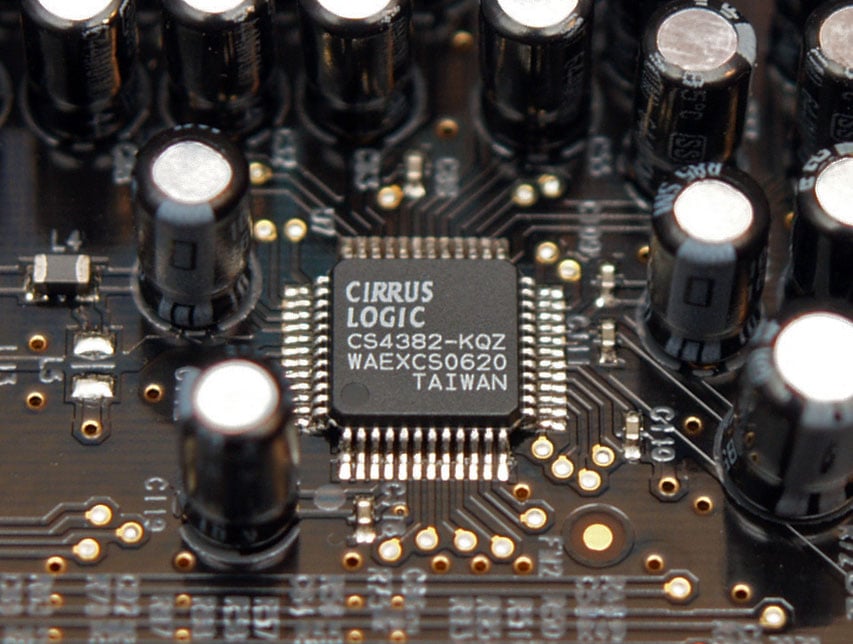
An external DAC can be one of the smartest accessories for a phone—or an expensive way to solve a problem you do not actually have. The difference comes down to your headphones, your phone’s audio hardware, and whether you listen to genuinely high-resolution music. This guide to when a phone DAC makes sense starts with an important distinction: the converter matters only after your digital music has been turned into an analog signal for wired headphones or speakers.
For casual listening through Bluetooth earbuds, a standalone DAC generally is not the missing ingredient. Bluetooth headphones perform their own digital-to-analog conversion internally, so a phone-mounted DAC will not improve the signal once it has been transmitted wirelessly. Likewise, listeners using ordinary wired headphones with a clean, sufficiently loud output may hear little or no improvement from a more expensive converter.
The case becomes stronger when a phone lacks a headphone jack, produces audible hiss or distortion, or cannot drive demanding over-ear headphones at a comfortable volume. A portable USB DAC combines a converter with a headphone amplifier, potentially providing more output and cleaner analog circuitry than a phone’s built-in solution. Android’s own documentation explains that moving the conversion stage into an external device can also isolate it from electrical noise inside the phone. Android supports USB audio peripherals, although the phone must operate as the USB host and older hardware may require an OTG adapter.
Hi-res streaming is another concrete reason to consider one. Apple says that iPhone audio over its standard wired path tops out at 48 kHz, while Apple Music’s Hi-Res Lossless tier can reach 24-bit/192 kHz; playback above that 48 kHz ceiling requires an external DAC. Apple’s USB-C audio guidance also confirms that iPhones can send audio to compatible wired adapters and headphones through the port. That does not mean every recording above 48 kHz will sound dramatically better, but it does mean the phone itself is no longer the limiting component.
Compatibility should come before sample-rate bragging rights. A USB-C phone generally needs a USB-C DAC, while older iPhones may require a Lightning-to-USB adapter, sometimes with additional power support for hungrier hardware. Check whether the dongle is an active DAC rather than a passive adapter, and confirm that it supports the formats and rates you actually use, such as FLAC, WAV, or DSD. A high-resolution badge is less useful than a reliable connection, sensible battery draw, and enough amplifier power for your headphones.
The practical buying advice is simple: start with an inexpensive, reputable USB DAC if your phone lacks a jack or your headphones sound weak. Spend more only when you have difficult-to-drive headphones, a real noise problem, or a library and subscription that make hi-res output meaningful. Otherwise, the better upgrade may be new headphones, better recordings, or simply keeping the money—because a DAC cannot restore detail that was never present in the source.
Image Credits
In-Article Image Credits
Cirrus Logic CS4382 - 8-channel DAC from Sound Blaster X-Fi via Wikimedia Commons by Andrzej Barabasz with usage type - GNU FreeFeatured Image Credit
Cirrus Logic CS4382 - 8-channel DAC from Sound Blaster X-Fi via Wikimedia Commons by Andrzej Barabasz with usage type - GNU Free


