
Nvidia has opened an independent investigation into whether CEO and co-founder Jensen Huang was targeted by a foreign intelligence operation, putting the chipmaker’s leadership and national-security exposure under an extraordinary spotlight. The inquiry follows allegations involving Alice Huang, an AI executive associated with Singapore-based technology company Megaspeed, and a personal memo Huang sent to Nvidia employees.
In that message, Huang acknowledged that he had been unfaithful to his wife and apologized to his family, employees, and colleagues. He also addressed the security concerns surrounding the relationship, saying he supported the board’s investigation and would cooperate fully. The memo did not itself establish that Nvidia information or government secrets had been shared.
Nvidia’s board said an independent committee of directors, supported by outside independent counsel, will oversee the review. The company also said it currently has no reason to believe that national security or Nvidia secrets were compromised, while emphasizing that investigators will examine all available information.
The allegations carry unusual weight because Nvidia sits at the center of the global artificial-intelligence race. Its graphics processors and AI accelerators are essential to data centers, while U.S. export controls have made the company a major focus of efforts to limit China’s access to advanced computing hardware. Any finding that a senior executive was deliberately targeted could therefore raise questions well beyond Huang’s personal conduct.
Multiple accounts of the matter point to U.S. intelligence reporting that allegedly identified Alice Huang as having been recruited by China’s Ministry of State Security. Public reporting has described her as an AI executive and agent of the Chinese government, but those allegations have not been adjudicated in court. Nvidia’s formal statement is narrower: it confirms an investigation into the reported foreign-intelligence effort rather than declaring the allegations proven.
The review now leaves Nvidia facing two parallel challenges. It must determine whether Huang’s relationship created any channel for sensitive corporate or government information to move outside the company, while also reassuring investors, customers, regulators, and employees that its governance systems remain effective. Huang’s continued cooperation and the board’s use of outside counsel suggest the company is treating the matter as a corporate and security issue, not solely a private scandal.
For now, the central questions remain unanswered: what intelligence the U.S. government possessed, whether Huang knew of any alleged recruitment effort, what information—if any—was accessible, and whether Nvidia’s internal controls were sufficient. The board’s findings, rather than the competing allegations surrounding the case, will determine whether the episode becomes a temporary leadership crisis or a deeper reckoning for one of the world’s most strategically important technology companies.
Image Credits
In-Article Image Credits
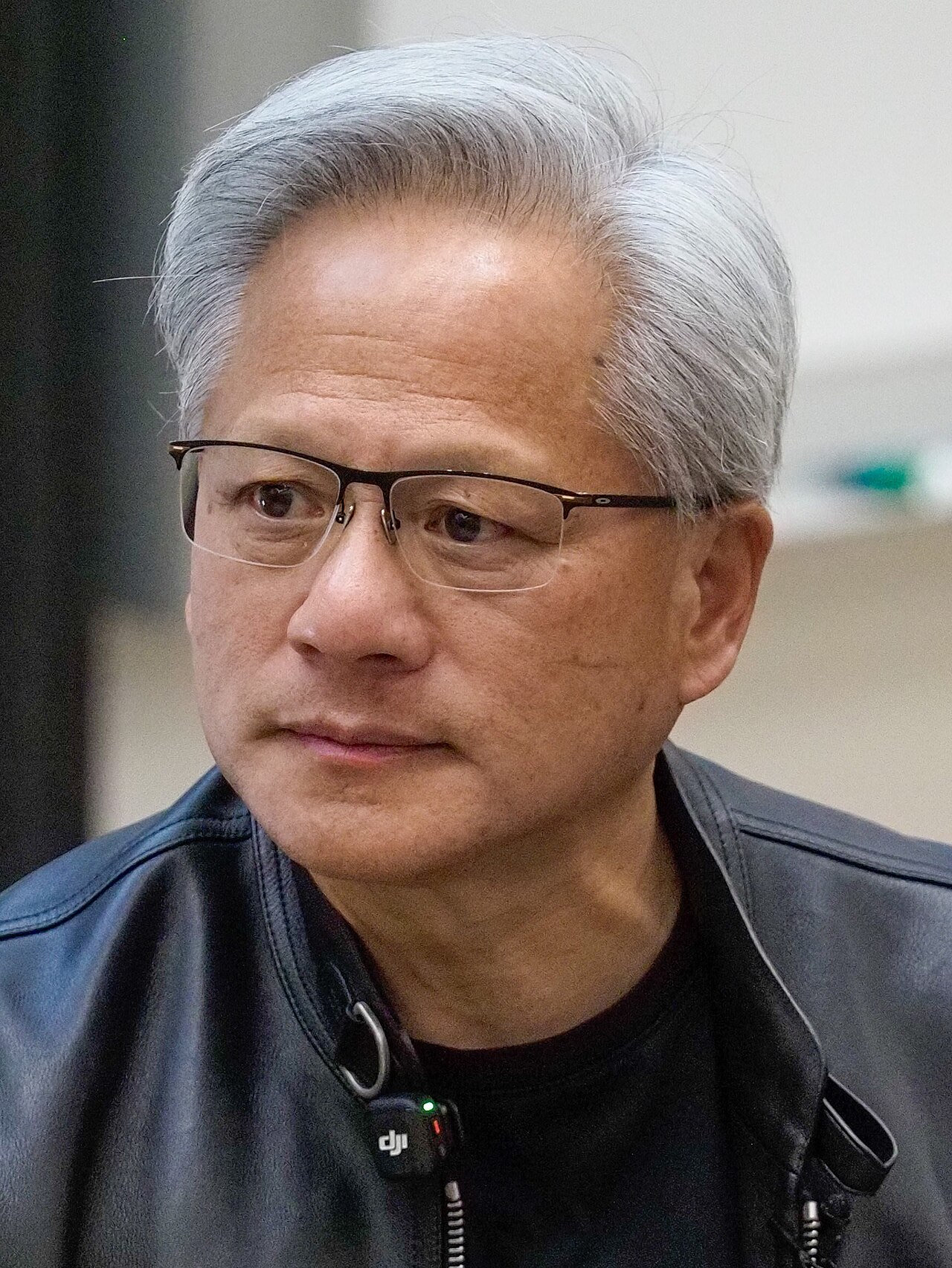
Jensen Huang, founder and CEO of Nvidia, during a fireside chat in Stanford University's CS 153 course on April 30, 2026. via Wikimedia Commons by Anderseidesvik with usage type - Creative Commons License. By Anderseidesvik - Own work, CC BY-SA 4.0, https://commons.wikimedia.org/w/index.php?curid=202334708Featured Image Credit
Jensen Huang, founder and CEO of Nvidia, during a fireside chat in Stanford University's CS 153 course on April 30, 2026. via Wikimedia Commons by Anderseidesvik with usage type - Creative Commons License. By Anderseidesvik - Own work, CC BY-SA 4.0, https://commons.wikimedia.org/w/index.php?curid=202334708


