

Optimus Prime just became the unlikely flashpoint in a real-world immigration battle, and Hasbro is not amused. The toy giant has condemned a series of AI-generated social media posts from the U.S. Department of Homeland Security that used the Transformers leader to promote a deportation program, stressing that the campaign was created without its permission and does not represent the brand.
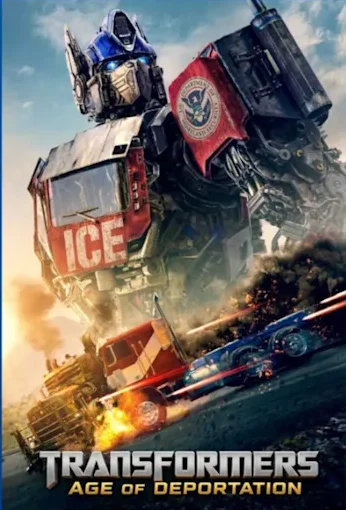
The now-infamous imagery includes a fake movie-style poster titled Transformers: Age of Deportation, depicting an Optimus Prime-like robot emblazoned with DHS and ICE insignia alongside the Transformers logo. Another DHS post showed Optimus squaring off with a Sikh man in a turban, paired with aggressive taglines like “Self-deport or find out,” “America for Americans,” and “Get off our roads; you don’t know how to drive Mr Singh,” language critics say turns a beloved franchise into a blunt instrument of xenophobic messaging. In a statement shared to Instagram, Hasbro responded that Optimus “represents humility, leadership, compassion and justice” and that the DHS posts were made “without permission” and were not endorsed by either Transformers or Hasbro.
The “Mr Singh” ad, which was stamped with an AI content label, quickly sparked outrage from Sikh and Indian-American advocacy groups, civil rights organizations and elected officials, who called it racist, demeaning and an example of federal stereotyping of South Asians. Coverage of the backlash notes that the campaign was tied to enforcement messaging against unlicensed commercial drivers, but the choice to single out a South Asian trucker archetype — complete with a directive to “self-deport” — was widely condemned as targeting Sikh and Indian communities rather than unsafe driving. Under pressure, DHS pulled the “Mr Singh” post from X, but related Optimus Prime imagery promoting self-deportation has continued to circulate online, prompting calls for a fuller explanation and accountability from the agency.
The timing of the campaign has been especially painful for Transformers fans because it landed just weeks after the death of Peter Cullen, the Canadian voice actor synonymous with Optimus Prime for more than four decades. Cullen, who first took on the role in the 1984 animated series and returned for multiple live-action films, died at 85 in August 2026, with tributes emphasizing how his performance defined Optimus as a principled protector of the vulnerable. As Entertainment Weekly and other outlets have highlighted, Cullen’s final turn as Optimus will be in Optimus Prime: Awakening, a short film slated to play alongside 40th anniversary screenings of The Transformers: The Movie, making DHS’s use of the character in hardline deportation propaganda feel even more like a betrayal of his legacy.
This is not the first time the current administration has leaned on pop culture cosplay and AI imagery to sell policy and persona. The same ecosystem of official posts and viral clips has recently featured a White House–backed AI video presenting President Trump as a Green Lantern–style superhero and Space Force uniform designs that observers have compared to Imperial officer gear from Star Wars or the militarized looks of Starship Troopers, a film explicitly satirizing fascism. That pattern has raised alarms among media scholars and fans alike, who see a government eager to wrap controversial initiatives in familiar franchise aesthetics — often with little regard for what those stories actually criticize.
Hasbro’s statement, notably, stops short of promising any specific legal action against DHS, instead focusing on separating the Transformers brand from the deportation messaging and reaffirming Optimus Prime’s core values. Intellectual property experts point out that while governments enjoy broad leeway in public communications, using a trademarked character owned by a private company without consent can raise complicated questions around copyright, trademark dilution and implied endorsement, especially when the material is used to promote real-world policy. Even without a lawsuit, the public disavowal from Hasbro sends a clear signal: official-looking memes and AI posters bearing a famous robot’s face should not be mistaken for corporate approval of the agenda behind them.
Within the Transformers fandom, the response has been swift and emotional, with many fans arguing that the deportation ads invert everything Optimus is supposed to stand for and weaponize a childhood icon against immigrant communities already under pressure. Advocacy groups have framed the controversy as part of a broader normalization of racist rhetoric through “fun” or genre-flavored packaging, warning that AI tools make it easier than ever to mash up beloved characters with state power in ways that feel jokey on the surface but carry very real consequences. For now, Hasbro has drawn a bright line between Optimus Prime and DHS’s deportation campaign; whether that pushback changes how the administration uses pop culture in its messaging may be the next battle in this strange new front of the culture war.


