
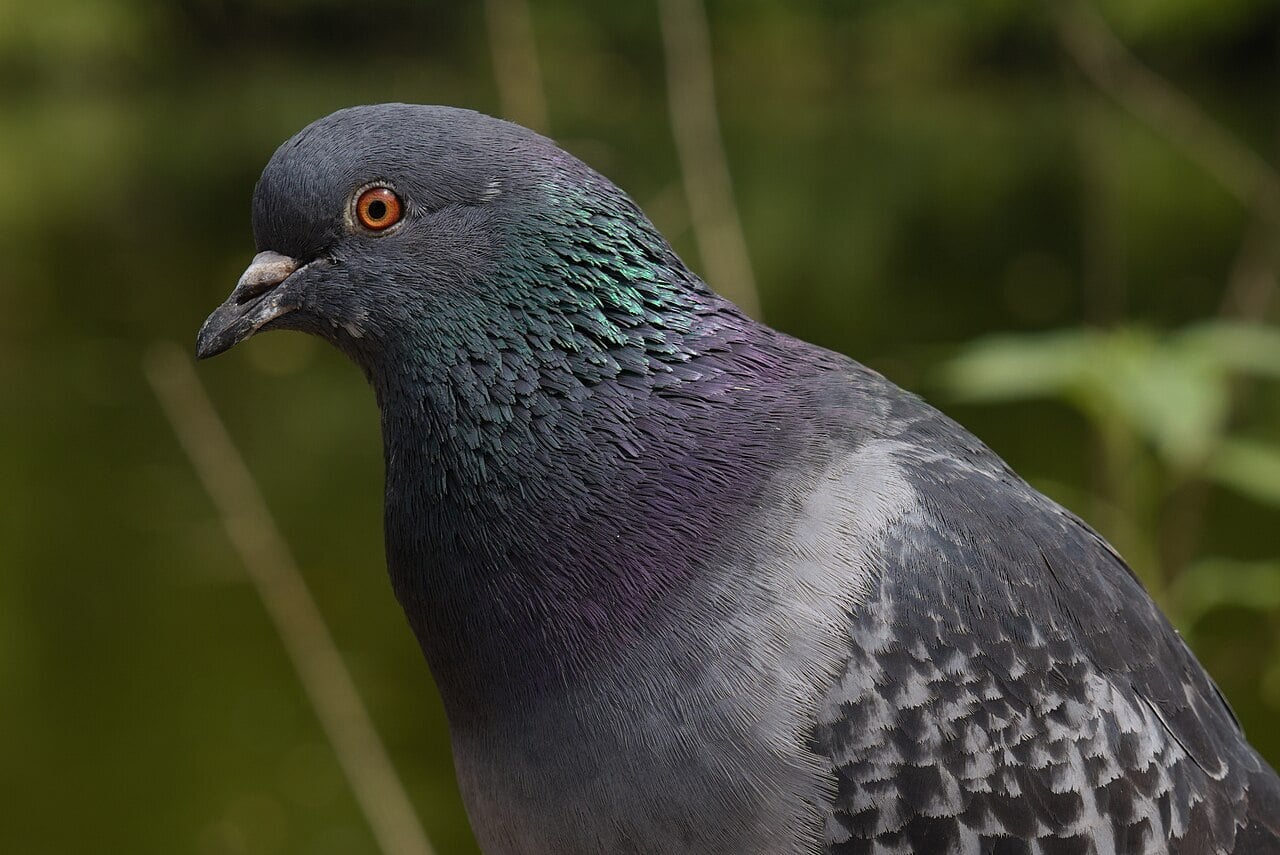
City birds appear to have a surprisingly specific idea of what counts as danger: across five European countries, they consistently took flight sooner when approached by women than by men. The finding, drawn from thousands of encounters involving 37 species, has left researchers without a clear explanation—and raised fresh questions about how wildlife reads the humans sharing its habitat. The unexpected bird-behavior finding emerged from observations in urban parks and other green spaces.
The research team tracked birds in seven cities spanning the Czech Republic, France, Germany, Poland and Spain. Between April and July 2023, four women and four men with ornithology experience approached birds while researchers recorded their “flight initiation distance,” the point at which an animal decided that staying put was no longer worth the risk. The observers were selected to be similar in height and clothing, helping reduce obvious differences between the approaches.
The pattern was substantial rather than a quirk of one unusually cautious species. Men were generally able to get about one meter, or roughly three feet, closer before the birds flew away, and the difference appeared across every country examined. The final dataset included more than 2,500 observations; another account of the study reports 2,701 encounters involving familiar urban species such as pigeons, crows, sparrows and blackbirds.
That does not mean birds consciously categorize people the way humans do, and the researchers have not identified the cue driving the response. Possible explanations include differences in body shape, walking style, scent, voice or other subtle aspects of an approach. Birds can also detect parts of the ultraviolet spectrum, prompting speculation that cosmetics, sunscreen or other compounds could provide visual or chemical signals—but those possibilities remain hypotheses, not conclusions.
The result matters beyond its obvious oddity. Flight distance is widely used as a measure of how animals perceive threats, so if an observer’s sex changes the outcome, human researchers may unintentionally influence behavioral studies. It also suggests that urban birds are not simply becoming uniformly comfortable around people; they may be learning or detecting fine-grained differences among the humans they encounter.
For now, the practical takeaway is less “birds fear women” than “human presence is not behaviorally neutral.” More controlled experiments will be needed to separate gait, appearance, sound and odor—and to determine whether the same pattern appears in other regions or settings. Until then, the safest conclusion is also the strangest one: the average city bird seems to give women a little more personal space.


