
A small clip-on device that delivers mild electrical pulses through the ear has produced an intriguing—but decidedly preliminary—result for people whose high blood pressure remains uncontrolled despite medication. The home-use treatment proved safe and well tolerated in a 63-person clinical trial, while its clearest benefit appeared among participants who began the study with more severe hypertension.
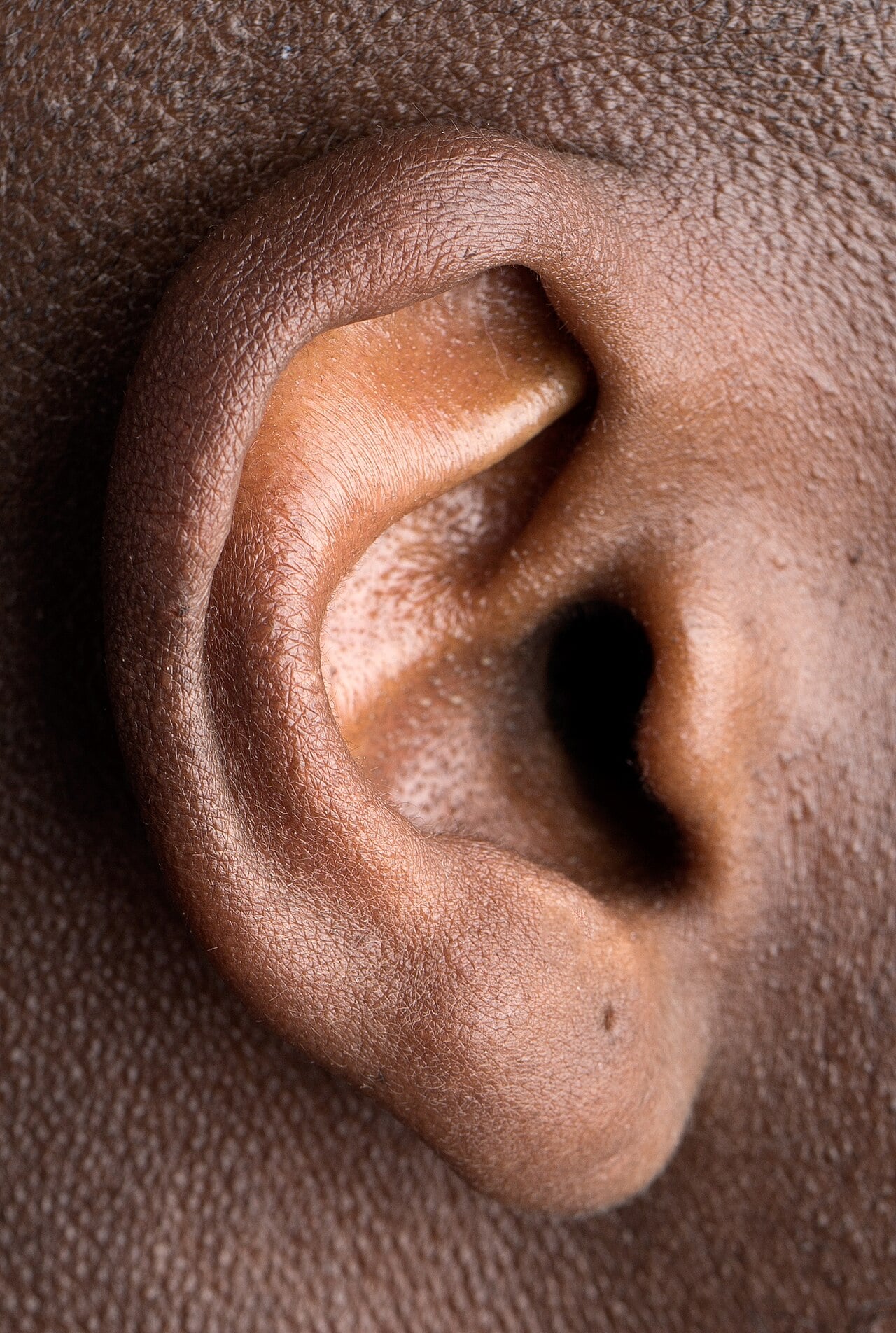
Led by researchers at Queen Mary University of London and funded by the UK’s National Institute for Health and Care Research, the SCRATCH-HTN study tested transcutaneous autonomic neuromodulation, or tAN. The handheld device, developed by Afferent Medical Solutions, uses two clips attached to the tragus—the small cartilage flap at the front of the ear—to send gentle electrical signals intended to influence the autonomic nervous system, which helps regulate involuntary functions including blood pressure. Queen Mary’s trial summary describes the device and study design.
Participants were already taking at least one blood-pressure medication but still had readings above target. They were randomly assigned to receive either active stimulation or a sham device, with neither group told which version they had. The schedule was designed to make the treatment practical outside a clinic: 30 minutes of use every day for the first two weeks, followed by one session per week for another 10 weeks. Adherence was high, and researchers found no major safety or tolerability concerns.
The headline result is more complicated than a breakthrough claim. Across the full study population, active tAN did not lower blood pressure significantly more than the sham treatment. Both groups improved from their starting measurements, but the difference between them after three months was not statistically meaningful. That placebo-controlled result means the trial does not yet establish ear stimulation as an effective general treatment for uncontrolled hypertension.
There was, however, a signal worth pursuing. A subgroup analysis planned before the results were examined found a larger reduction among patients who entered the trial with more severe hypertension. Because that analysis involved a smaller slice of the participants, it should be treated as a lead for future research rather than proof that the device works for a defined patient group.
That distinction matters because hypertension is a major risk factor for heart attack, stroke and other cardiovascular disease, while many treated patients still fail to reach recommended targets. Earlier research has also produced mixed results for auricular stimulation, including a systematic review that found no significant overall effect on systolic blood pressure. The next step is therefore a larger trial designed to determine whether baseline blood pressure—or another clinical characteristic—can identify people most likely to benefit. For now, the ear device looks less like a ready-made replacement for medication than a potentially convenient tool that still needs stronger evidence.
Image Credits
In-Article Image Credits
Human right ear for hearing via Wikimedia Commons by Genusfotografen (Tomas Gunnarsson) / Wikimedia Sverige with usage type - Creative Commons License. By Genusfotografen (genusfotografen.se) & Wikimedia Sverige (wikimedia.se), CC BY-SA 4.0, https://commons.wikimedia.org/w/index.php?curid=83661793Featured Image Credit
Human right ear for hearing via Wikimedia Commons by Genusfotografen (Tomas Gunnarsson) / Wikimedia Sverige with usage type - Creative Commons License. By Genusfotografen (genusfotografen.se) & Wikimedia Sverige (wikimedia.se), CC BY-SA 4.0, https://commons.wikimedia.org/w/index.php?curid=83661793


