
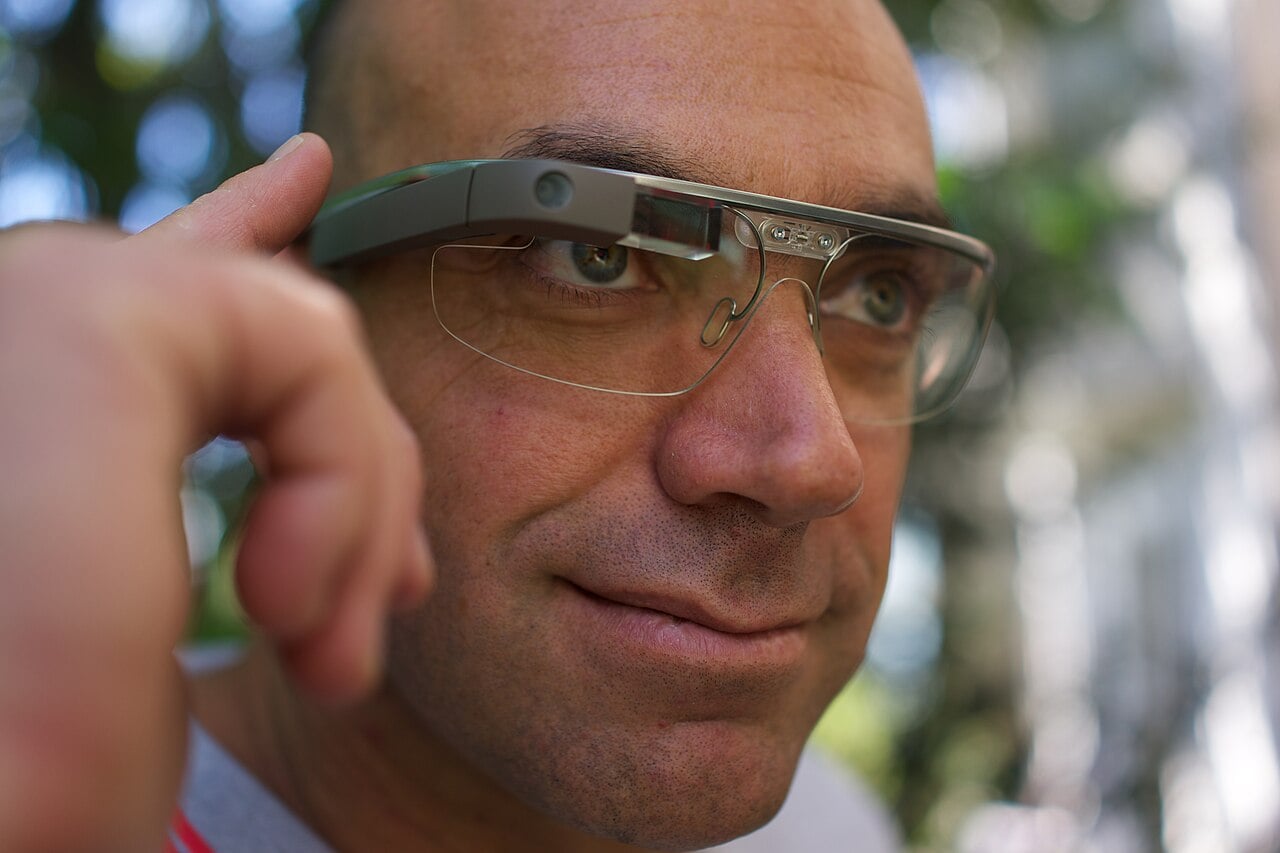
California’s latest clash between futuristic eyewear and old-school privacy law ended with Gov. Gavin Newsom vetoing a bill aimed squarely at smart “pervert glasses” and other wearable cameras used to secretly record people in private spaces.
The measure, often described as a crackdown on “pervert glasses,” would have made it a misdemeanor to operate wearable recording devices in places of business where someone has a reasonable expectation of privacy, such as changing rooms and doctors’ offices. The bill also targeted the design of the tech itself, requiring manufacturers to build in a clear recording indicator—typically a light or audible signal—and banning gadgets or mods that mask those indicators. Individuals caught secretly recording could have faced fines up to roughly $1,500 and possible jail time, while companies selling non-compliant wearables or tools to hide recording signals risked penalties of around $2,500 per violation.
In his veto message, Newsom argued that the bill’s definition of “wearable recording device” was too broad and risked sweeping in commonplace hardware beyond high-tech glasses. He pointed out that California already criminalizes surreptitious recording in locations where people reasonably expect privacy and requires two-party consent for audio recordings, including phone calls and in-person conversations. From his perspective, layering an additional, device-specific misdemeanor on top of existing wiretap and privacy statutes was a “step too far,” echoing language he has used in recent vetoes of other privacy measures.
Privacy advocates counter that the veto leaves a growing gap between the law and the reality of camera-equipped wearables, which can film continuously with far less social signaling than a smartphone held at eye level. The fight over smart glasses arrives as Newsom has also rejected other aggressive privacy bills, including AB 1542, which would have barred companies from selling precise geolocation, health, immigration, and other sensitive consumer data under California’s marquee privacy law. Critics see a pattern of the governor favoring flexible, opt-out style data rules and existing privacy statutes over new, hard bans aimed at specific technologies.
For the tech world, especially companies betting on mixed reality and AI-augmented eyewear, the veto avoids a potentially tricky design mandate but keeps the public-relations stigma around always-on cameras alive. Many current smart glasses already include some kind of recording light, yet the failed bill would have standardized those indicators and outlawed efforts to turn them off—an obvious friction point for users who want discreet capture and for manufacturers who market wearables as “look like normal glasses.” Geek culture spaces—from comic shops and tabletop cafes to convention centers—may not be covered by the bill’s focus on areas with strong expectations of privacy, but the broader conversation about consent, cosplay photography, and surreptitious recording is likely to intensify as these devices become more common.
The veto also underscores how statehouses are still struggling to keep pace with consumer tech that effectively turns anyone into a walking body cam. Lawmakers could come back with a narrower definition of wearable recorders, more clearly carve out benign use cases, or shift focus toward enforcing universal hardware standards for recording indicators instead of criminal penalties. In the meantime, Californians are left with a familiar patchwork: general privacy and wiretap laws that apply regardless of whether the camera is in a phone, a lapel pin, or a pair of cyberpunk-ready smart glasses—and no dedicated statute aimed at the specific creep factor of “pervert glasses” in locker rooms and exam offices.
For fans of sci-fi hardware and AR wearables, the takeaway is blunt: the gadgets are still legal, but the social license to use them without clear consent is thinner than ever. Tech companies may have dodged one restrictive bill, yet every new controversy around covert recording nudges design and policy in the same direction—more visible indicators, stricter norms around filming strangers, and a future where even the coolest smart glasses will have to flash a little LED to prove they’re not watching you when they shouldn’t be.
Image Credits
In-Article Image Credits
A blogger and entrepreneur, Loïc Le Meur, selected for Google Glass explorer edition shows off wearing Google Glassr via Wikimedia Commons by Loïc Le Meur with usage type - Creative Commons LicenseFeatured Image Credit
A blogger and entrepreneur, Loïc Le Meur, selected for Google Glass explorer edition shows off wearing Google Glassr via Wikimedia Commons by Loïc Le Meur with usage type - Creative Commons License


