
A new wave of cyberattacks has turned supermarket refrigerators and freezers across Europe into a costly liability, with stores forced to discard chilled and frozen products after remote temperature changes. Incidents were reported across Belgium, Estonia, Finland, Ireland, Luxembourg, the Netherlands, and Sweden, marking a rapid expansion of a problem that first surfaced in France last month. The latest attacks have spoiled food across multiple countries and disrupted normal retail operations.
The affected retailers include Ahold Delhaize, Colruyt, ICA, and Coop, while Belgian reports also named Carrefour and Spar stores. In Belgium and Luxembourg, roughly dozens of locations saw refrigeration systems malfunction overnight. Swedish grocers reported similar temperature spikes, and stores in Ireland, Finland, Estonia, and the Netherlands also experienced incidents or related disruptions. Food that had already thawed or warmed beyond safe limits had to be thrown away rather than returned to the sales floor.
The apparent method is remarkably direct: attackers gained access to connected refrigeration controls and altered operating settings, in some cases switching equipment into defrost mode. That allowed temperatures to rise dramatically, with one account describing freezer readings as high as 50 degrees Celsius. Investigators have linked the incidents to internet-connected systems supplied by Danish manufacturer Danfoss, though other equipment makers, including Copeland and Dixell, have also been associated with the earlier French cases. No group has publicly claimed responsibility.
This follows an October attack in France that affected hundreds of supermarkets and caused major losses of refrigerated and frozen inventory. The recurrence suggests that the underlying weakness may not be limited to one retailer or one country: refrigeration networks are increasingly managed through remote interfaces, but those systems can remain exposed when passwords, internet access, patching, and ownership of security responsibilities are poorly managed.
For shoppers, the immediate impact is empty or restocked cold cases and possible localized shortages rather than a continent-wide supply crisis. For retailers, the incident is a warning that operational technology deserves the same security attention as payment systems and corporate networks. Companies will now need to determine how the intruders entered, isolate affected controllers, preserve logs, and verify that replacement stock is being kept at safe temperatures. Until those questions are answered, supermarket cooling infrastructure remains an unusually visible pressure point for attackers—and a reminder that a cyber incident can spoil physical goods without touching a checkout terminal.
Image Credits
In-Article Image Credits
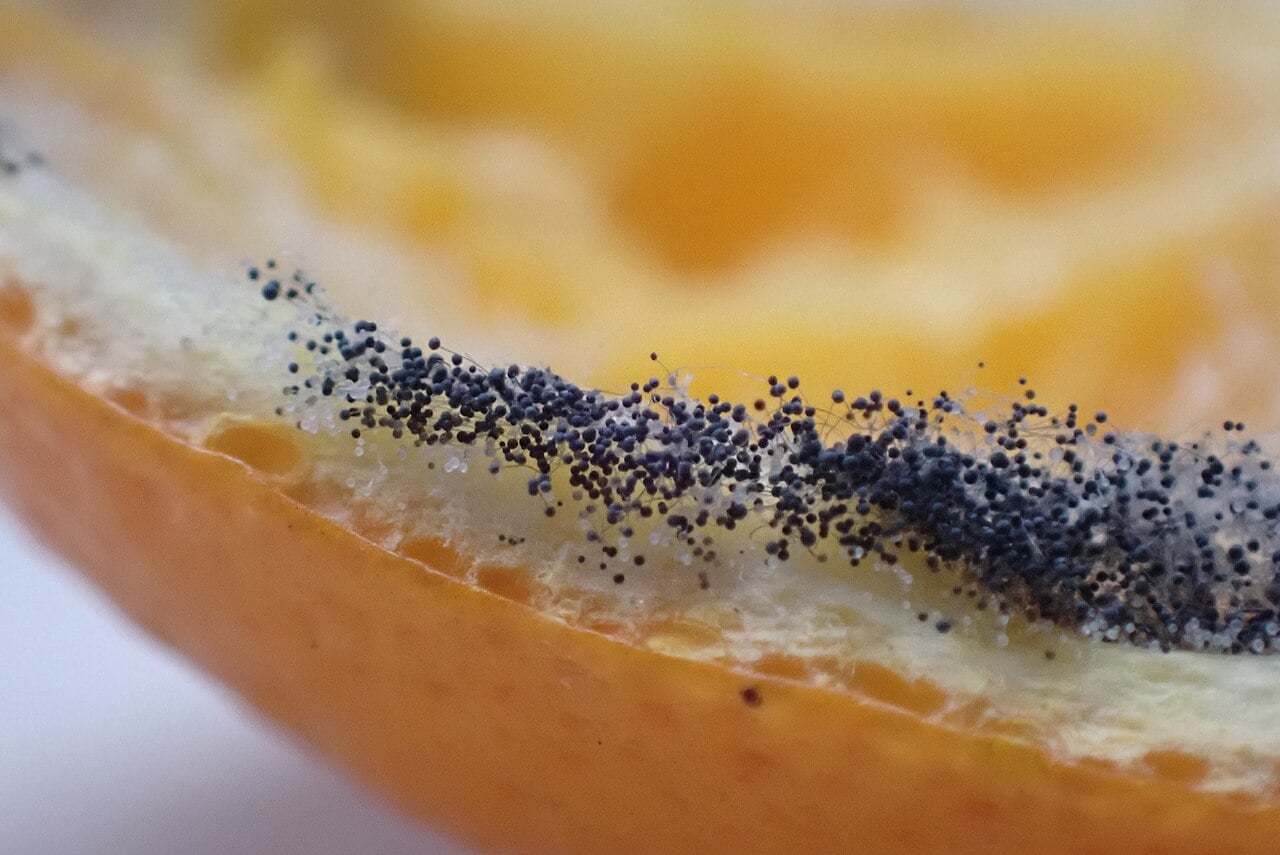
Fungus and mold growing on a spoiled food orange peel via Wikimeda Commons by Garnhami with usage type - Creative Commons License. By Garnhami - Own work, CC BY-SA 4.0, https://commons.wikimedia.org/w/index.php?curid=95145297Featured Image Credit
Fungus and mold growing on a spoiled food orange peel via Wikimeda Commons by Garnhami with usage type - Creative Commons License. By Garnhami - Own work, CC BY-SA 4.0, https://commons.wikimedia.org/w/index.php?curid=95145297


