
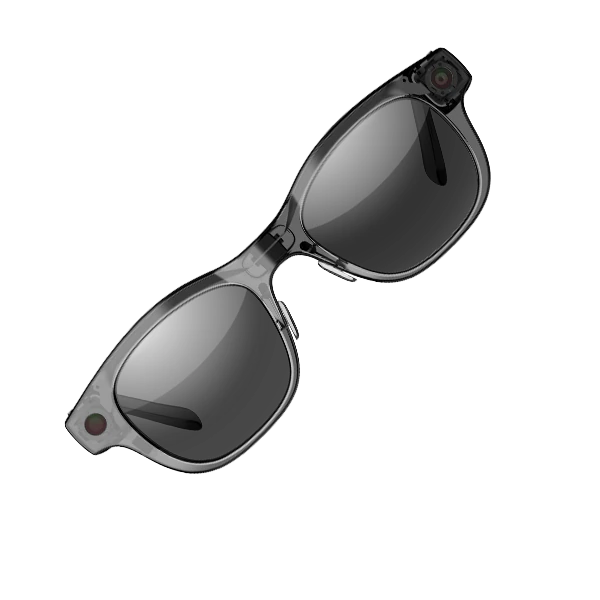
HTC’s Vive Eagle AI smart glasses are finally breaking out of their Asia-only bubble, with the company rolling the camera-equipped frames into North America, Europe, the UK and Australia after more than a year of regional teasing. Shipments begin immediately in the US, with the UK and wider Europe following later in September, marking HTC’s most aggressive push yet into the consumer smart eyewear space.
Vive Eagle has been floating on the edge of Western tech consciousness since its original debut in Taiwan in August 2025, where HTC launched the glasses in partnership with Taiwan Mobile and eyewear chain 2020EYEhaus. The launch press materials pitched Eagle as “wearable AI glasses,” priced at NT$15,600 and offered in multiple colors like Berry, Coffee, Grey and Black, initially bundled with sun lenses and a two-year subscription to the company’s VIVE AI Plus service. Subsequent rollouts in Hong Kong, Japan and Southeast Asia throughout 2025 and early 2026 hinted at a broader release, with HTC executives pointing to Europe and the US as targets for mid-to-late 2026 and Western coverage speculating about when the Ray-Ban Meta rival would cross the Pacific.
On the tech side, Vive Eagle is positioned as fashion-forward AI eyewear rather than full-blown AR goggles, trading bulky headsets for lightweight frames and open-ear audio. HTC’s materials emphasize a “privacy-centric” approach, promising features that help wearers capture and process information without feeling like walking surveillance rigs, and highlight design choices intended to protect people around the user as well. Coverage of the original Taiwan launch underscored the hardware chops behind the frames, including a 12-megapixel camera, ChatGPT-powered assistance and real-time translation, putting Eagle squarely in the emerging class of AI-first smart glasses that aim to be as much productivity and communication tools as they are gadgets.
For Western buyers, pricing and availability land right in the thick of the current smart glasses arms race. Eagle starts at $499 in the US, £429 in the UK and €469 in Europe, with US orders live now and UK/EU shipments scheduled to begin around September 21. That puts HTC’s glasses at a modest premium over Meta’s popular Ray-Ban line, a gap several outlets have already noted as a potential hurdle in a market dominated by Meta’s lower-priced, heavily marketed frames. HTC is sweetening the deal with a two-year VIVE AI Plus subscription bundled at no extra cost for eligible purchases and a range of frame shapes, colors and lens options to help the glasses pass as everyday eyewear rather than conspicuous tech gear.
Behind the scenes, HTC has been laying groundwork to make Eagle feel less like an import and more like a native citizen of Western retail ecosystems. A strategic alliance with Miami-based Innovative Eyewear centers on US commercialization of the line, with the company planning to sell Eagle through its Lucyd online store and offer US-based prescription lens fulfillment at launch. That partnership should make it easier for American buyers to treat Eagle as “real” glasses rather than a niche gadget, while earlier sightings of Amazon US listings and preorder pages hinted at the broader distribution channels HTC is courting to get Eagle in front of mainstream shoppers.
Zoomed out, the Western arrival of Vive Eagle is another sign that the smart glasses category is graduating from quirky experiment to a serious front in the broader AI hardware race. HTC has publicly embraced an open-platform strategy for Eagle, positioning the glasses as part of a larger ecosystem play rather than a closed silo, and has mapped out a phased roll-in across Asia, Japan, Southeast Asia and now Western regions to build a global install base. With Meta’s Ray-Ban line setting expectations, Snap’s hardware efforts evolving and a wave of AI assistants looking for a home beyond smartphones, Eagle’s privacy-first framing and camera-forward design give it a distinct angle in a crowded field—one that Western gadget geeks will finally be able to test on their own faces instead of through overseas hands-on reports.


