
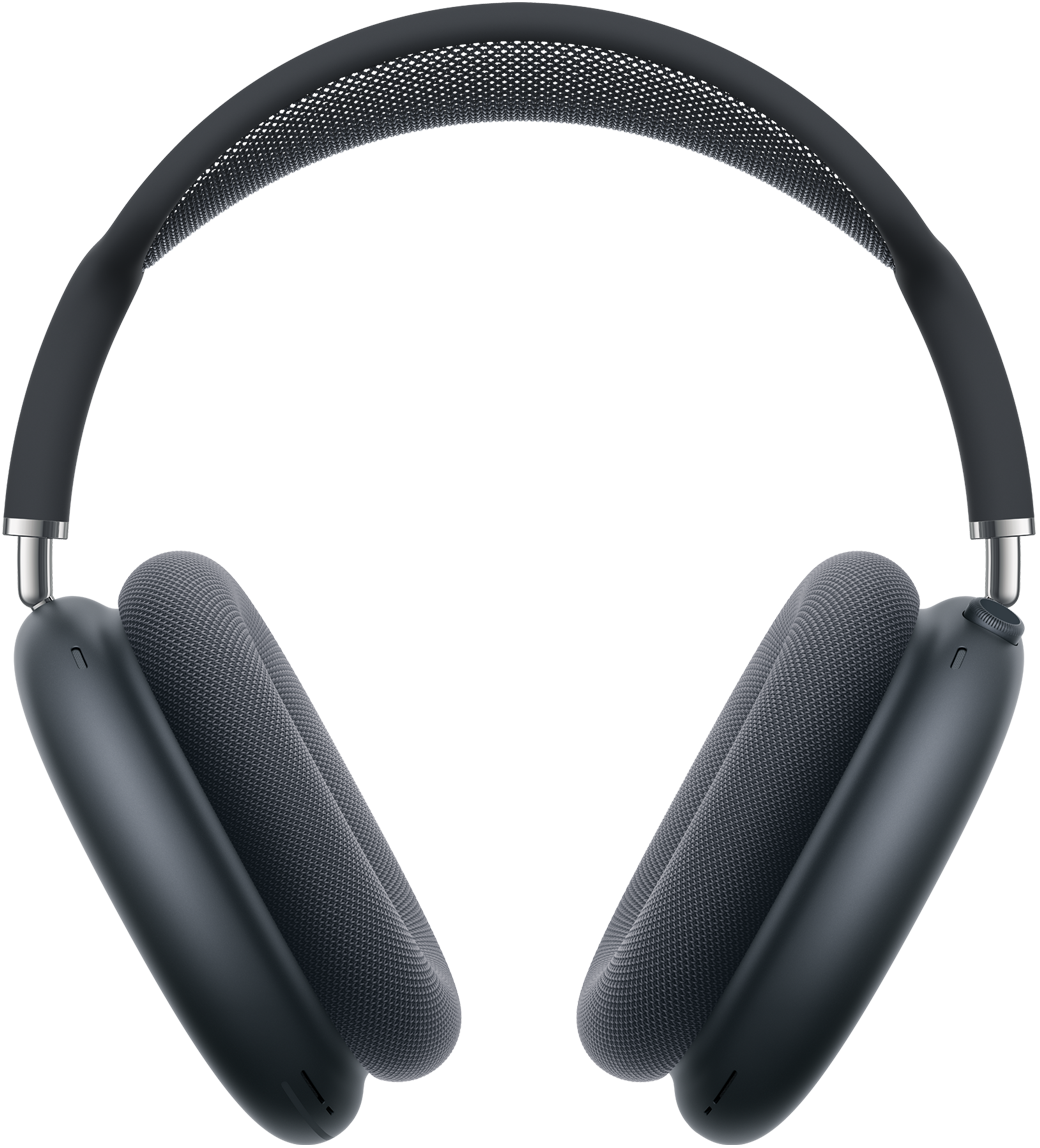
Noise-cancelling headphones have shifted from niche travel gear to everyday tech for gamers, streamers, commuters, and anyone trying to carve out a bubble of quiet. Engadget recently laid out the pros and cons of active noise cancellation (ANC), the technology that powers most modern “quiet” cans. Looking closer at how ANC works—and where it struggles—explains why this audio superpower can be transformative in the right context and genuinely problematic in others.
At the core of ANC is a neat bit of physics: tiny microphones on the headphones constantly listen to ambient sound, a digital signal processor analyzes those waves in real time, then generates an inverse “anti-noise” wave that plays alongside your music. When the original noise and the inverted waveform meet inside your ear, they partially cancel out through destructive interference, dramatically reducing steady low-frequency sounds before they hit your eardrum. That makes ANC especially effective against the drone of airplane engines, train rumble, and office HVAC systems, but much less capable against sudden, high-pitched, or rapidly changing sounds like shouting, clattering dishes, or sirens. Passive isolation—simply sealing your ears with thick pads or snug ear tips—still does most of the work on higher frequencies and doesn’t rely on electronics, which is why good passive designs can rival ANC in many everyday situations.
When used well, ANC’s upsides are significant. By stripping away environmental noise, many listeners can keep volumes lower while maintaining clarity, which reduces listening fatigue and can help protect long-term hearing compared to constantly blasting music to overpower noise. Studies and guides on modern ANC gear highlight reduced cognitive load in noisy offices and better focus for tasks like coding, studying, or deep work because your brain isn’t constantly filtering out background chatter. For travelers and night-shift workers, ANC can make airplanes, trains, or shared spaces more tolerable and sometimes even conducive to sleep, particularly when paired with relaxing audio at moderate levels. Parents and educators also point to ANC as a tool to help sound-sensitive kids or neurodivergent folks manage overwhelming environments—again, as long as volume habits stay conservative.
Those benefits come with real tradeoffs, especially for geeks who care about audio fidelity and performance. ANC circuitry consumes extra power, so battery life drops noticeably when the feature is enabled, and wired models with ANC still rely on internal amplification. The additional processing can introduce a subtle change in tonal balance and a slight veil over fine detail, which some reviewers and audiophiles note even on high-end models, though average listeners may barely notice. For gaming and video, the DSP can add a bit of latency, which certain buyer’s guides flag as a concern for competitive play or rhythm games where tight audio–visual sync matters. On the comfort side, many users report the infamous “eardrum suck” or pressure sensation—an odd feeling of your ears being pressurized—which Wirecutter and others attribute to the way ANC shapes air pressure inside the cups, and a subset of people experience mild dizziness or headache during extended sessions.
Isolation itself can be a downside once you step out of the office or off the couch. Engadget’s breakdown points out that completely walling yourself off from the world makes it easy to miss important situational cues, which matters if you’re walking city streets, biking, or navigating crowded spaces at night. Other guides stress that ANC works best when you’re stationary or in controlled environments and that you should be cautious about using heavy isolation anywhere situational awareness is critical. Many modern ANC headphones and earbuds now offer transparency or “ambient” modes that pipe in outside sound through the same microphones, giving you a quick way to hear traffic, announcements, or collaborators without removing the gear entirely. Toggling between full ANC and transparency on the fly is increasingly the norm—and a feature users should treat as safety gear, not just a convenience.


