
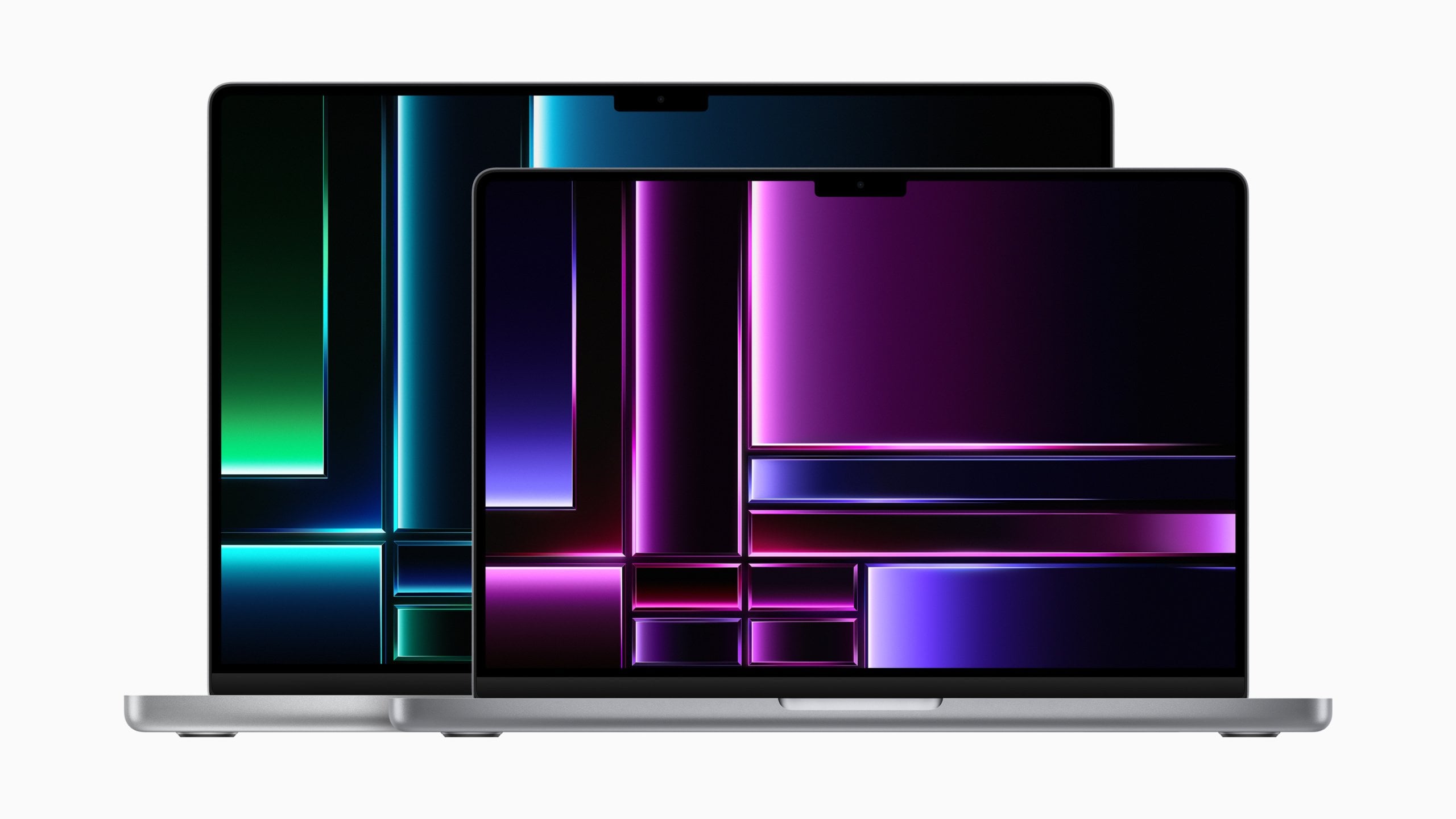
Apple looks poised to cross a line it’s held for more than a decade: a MacBook you can actually poke with your fingers. The company is reportedly gearing up to unveil its first touchscreen MacBook Pro at a Mac and iPad-focused event “on or around” October 27th, following an earlier October 13th showcase that’s expected to spotlight smart home hardware, with Bloomberg reporting that the MacBook could arrive as early as October and potentially slip to November.
The Verge’s briefing on Bloomberg’s report frames the late-October gathering as a hybrid presentation, blending an online video stream with an in-person press component, mirroring Apple’s evolving event format as it leans harder on tightly produced video segments while still courting hands-on coverage from tech media. That Mac and iPad event is expected to bring lighter MacBook Pro models with touchscreens, alongside an updated iPad Mini, signaling a broader fall hardware refresh that spans Apple’s laptop and tablet lines.
Multiple outlets now corroborate the basic contours of Bloomberg’s scoop: the machines are described as higher-end 14-inch and 16-inch MacBook Pro (or possibly “MacBook Ultra”) models with touch-enabled OLED displays, built around Apple’s current M5 Pro and M5 Max chips and a noticeably thinner, lighter chassis. Reporting from MacRumors, Macworld, 9to5Mac, and others points to a design that reworks internal layout and consolidates components to shave weight, with some leaks even suggesting a Dynamic Island-style cutout replacing the existing notch above the display.
macOS itself is already hinting that Apple is serious about a touch-capable Mac. The macOS 27.2 beta includes new touch gesture hooks and UI refinements aimed at accommodating direct input on notebook displays, which 9to5Mac and other observers interpret as groundwork for the rumored MacBook Pro’s launch later this month. Bloomberg’s Mark Gurman says Apple is actively testing these laptops on macOS 27.2 internally, and notes that the timing of that software release—expected toward the end of October—lines up neatly with a hardware reveal window that could fall in late October or spill into November.
This pivot is a big philosophical shift for Apple’s Mac strategy. Company leaders, including Steve Jobs, long argued that vertical, laptop-style touchscreens were ergonomically poor compared to a tablet, steering users toward the iPad for touch and the Mac for pointer-based work while experimenting with halfway solutions like the Touch Bar and massive force-sensing trackpads. Meanwhile, Windows OEMs and Microsoft’s own Surface line have spent years normalizing touch-enabled laptops for productivity and creative work. A “real” touchscreen MacBook Pro would blur the wall between Mac and iPad more than any Touch Bar or trackpad gesture ever has, and could reshape how developers think about interface design on macOS.
The rumored iPad Mini refresh expected to share stage time with the new MacBook Pro further underscores Apple’s interest in tightening the overlap between its mobile and desktop ecosystems. Bloomberg’s report, echoed in The Verge’s coverage, positions the late-October event as a moment where Apple updates both its most portable tablet and its flagship mobile workstation, just two weeks after an October 13th show that’s said to focus on smart home devices—likely new HomePod, Apple TV, or related accessories—rounding out a dense fall roadmap for the Apple faithful.
For geeks who’ve spent years juggling a MacBook for code or creative work and an iPad for touch-heavy tasks, the prospect of a true touchscreen MacBook Pro is a potential workflow game-changer. If the leaks hold, a thinner, significantly lighter OLED MacBook with direct touch input could make Apple’s high-end laptop more competitive with long-standing touch-first rivals while raising questions about where the iPad Pro fits in a world where the Mac finally embraces fingers on glass. Until Apple sends out invites and makes it official, treat it as rumor—but given the consistency across Bloomberg, long-running Mac sites, and the telltale macOS changes, we may be only weeks away from seeing Apple rewrite one of its oldest rules.


