
AI-assisted “vibe coding” is finding an unlikely playground in music hardware, where hobbyists are turning inexpensive synths, samplers, pedals, and grooveboxes into instruments their manufacturers never intended them to become. The movement is making once-esoteric firmware hacking accessible to musicians who may never have attempted an embedded-systems project before.
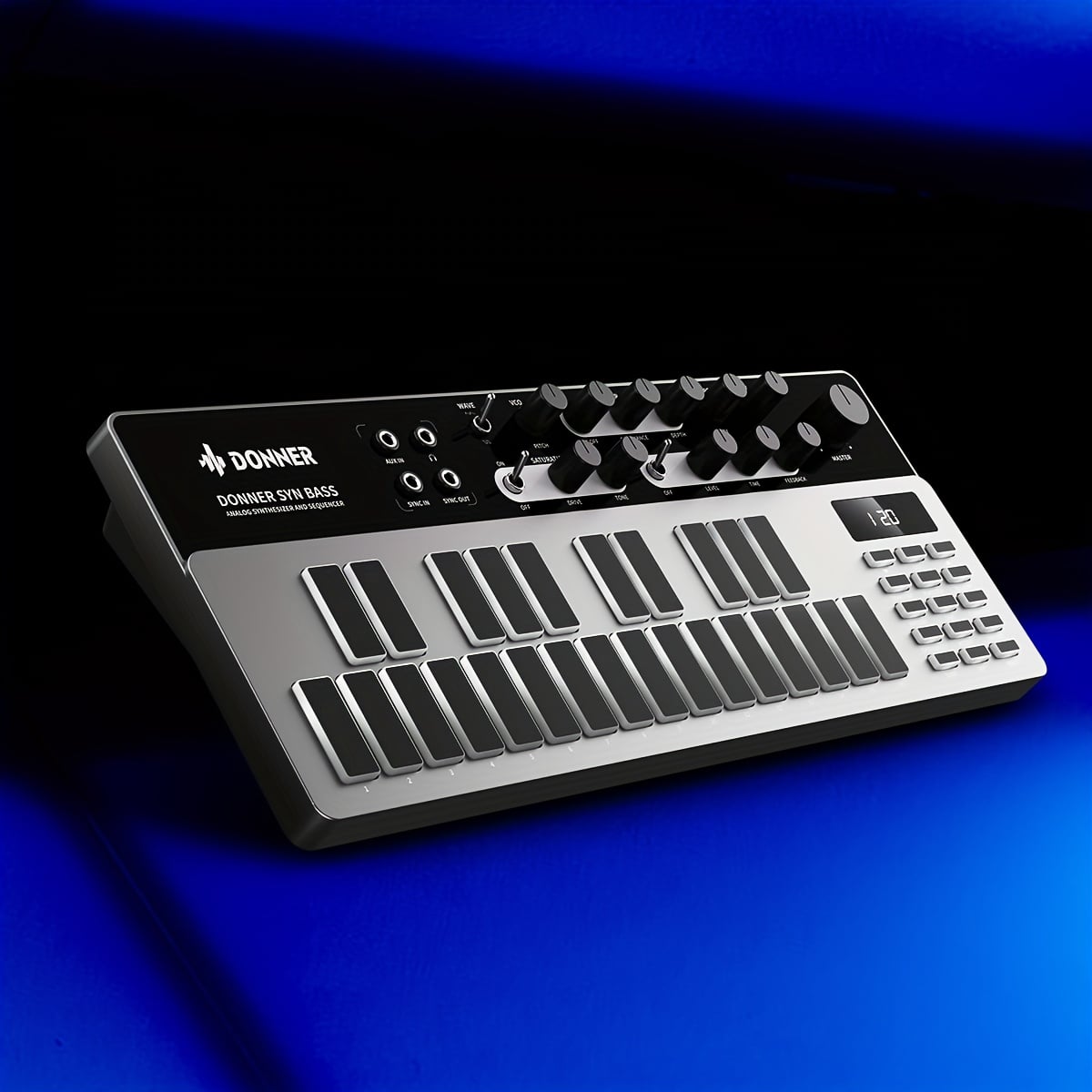
The appeal is easy to understand: older and budget-friendly devices often have capable hardware hidden behind conservative software. A roughly $70 Temu synth, for example, can become far more than a basic DX-7-inspired instrument when unofficial firmware adds multiple synthesis engines, sample playback, multitrack sequencing, and alternate interfaces. The same pattern is appearing across a growing list of devices, including Korg Volca instruments, the Zoom MS-70CDR, Elektron’s Model:Cycles, and the M-Vave FM-1.
One especially striking example comes from Roman Rusinov, who uses the name themanro on Reddit and releases music as Farlow. He used AI-assisted development while modifying the 2012 Zoom MS-70CDR, building on earlier reverse-engineering work to add NAM A2 Lite amp captures and custom impulse responses. The result pushes a compact multi-effects pedal toward amp-modeling territory, illustrating why musicians are treating overlooked hardware as an opportunity rather than a dead end.
The Elektron Model:Cycles has become another high-profile test case. A community project began with an effort to add six-track audio over USB using Claude Code, then expanded through contributions from other developers. Mods have reportedly added substantial new functionality, including features that can make the groovebox behave more like an Elektron Model:Samples. The project’s rapid pace shows both the energy of the scene and the downside of AI-accelerated development: frequent updates can deliver breakthroughs quickly, but they can also leave bugs and unfinished code behind.
This is not the first time musicians have extended hardware beyond its factory design. Open-source platforms, unofficial Volca firmware, and projects such as the community-maintained music-gear firmware directory have long provided routes for experimentation. What has changed is the amount of technical labor AI can absorb: documenting circuit boards, searching unfamiliar code, suggesting patches, and helping reverse-engineer update systems. Projects tracked by Gearnews now span devices from Elektron, Roland, Akai, 1010music, and M-Vave.
There is a meaningful catch. Unofficial firmware is not tested like a manufacturer release, and a failed flash can leave a device unusable. Elektron has reportedly barred links to custom firmware from its forums, warning that modifications can brick machines, create problems when official operating-system updates arrive, and blur the line between supported and unofficial features. For musicians willing to accept that risk, however, vibe coding offers a compelling alternative to replacing perfectly usable hardware: add the missing feature, share the result, and give an aging instrument a second life.


