
In the latest twist in the trading card wars, Target stores across the U.S. are reportedly slicing or removing the shrink wrap from sealed Pokémon Trading Card Game products before they’re sold, a move many fans see as a deliberate strike against scalpers who treat sealed boxes as investment assets.
Videos and photos circulating on social media show employees cutting into the plastic on new Pokémon sets, including Prismatic Evolutions Elite Trainer Boxes, with staff telling customers the practice is a directive from corporate aimed at people buying purely to flip the product. In some clips, workers are shown fully stripping the wrap off boxes on carts before stocking shelves, while online buyers report receiving orders with the shrink wrap pre-cut or removed, suggesting the tactic extends beyond in-store drops. Since sealed booster boxes and ETBs derive much of their resale premium from an untouched factory seal, breaking that wrap effectively nukes the value for speculators who rely on the box’s condition and authenticity.
Reactions from the Pokémon community have been sharply divided. Many players and casual collectors—who crack product immediately and care more about card condition than box aesthetics—are applauding Target for making life harder for scalpers, echoing sentiments like “good, tired of scalpers ruining everything” and praising the retailer for a “slash fest” against resellers. Others, particularly sealed collectors and investors, argue that tampering with packaging risks damaging display pieces and could make truly untouched boxes even more expensive, inadvertently rewarding scalpers who source product from other retailers or secondary markets. Some critics also question whether physically altering goods is the right solution, arguing that tighter purchase limits or more robust distribution would “make more sense” than cutting wrap off every box.
Target’s shrink-wrap gambit is only the latest in a long line of anti-scalper measures. Earlier this year, new policies began limiting many Pokémon collaboration items to “one unit per item, per guest” both in stores and online, with some locations also capping Pokémon TCG purchases to one or two packs per customer. Previous waves of card mania pushed the retailer to experiment with strict Friday 8 a.m. restock windows, single-item-per-day limits on trading cards priced $19.99 and up, and customer service–desk distribution to prevent mobs at the card aisle. Signage spotted in stores has explicitly warned that Target reserves the right to block resellers—defined as buyers intending to sell rather than use products—and calls out behaviors like pack searching and weighing as grounds for intervention. Social posts from Pokémon influencers have also highlighted store rules such as maximum units per SKU and limited daily transactions on Pokémon cards, all aimed at stopping individuals from clearing out entire shelves.
The aggressive posture reflects just how overheated the Pokémon TCG market has become. Over the past few years, demand for new sets has routinely outstripped supply, with coveted chase cards and special products turning routine releases into feeding frenzies. Despite billions of cards being printed in a single year, fans and retailers report that The Pokémon Company still struggles to keep pace with enthusiasm from collectors, competitive players, and speculators. The crunch has helped fuel a wave of thefts from hobby shops, reports of violence and confrontations at restocks, and high-profile incidents like fans camping overnight or even hiding inside closed electronics stores to secure product. In Japan, Pokémon Center locations have responded by tying purchases to Japanese citizenship and deploying facial recognition systems for both adults and children to clamp down on tourist-driven scalping and abuse.
For everyday fans, Target’s open-box move lands at the intersection of consumer protection and collector culture. Players who simply want affordable packs to build decks or chase their favorite monsters may benefit if scalpers abandon Target as a source of pristine sealed inventory, leaving more product for those who intend to use it. Sealed collectors, however, now face tougher decisions about where to buy and how much to trust the integrity of packaging, especially if policies vary by store and aren’t clearly communicated. The debate also raises bigger questions about how retailers should balance the needs of hobbyists, investors, and families walking in for a few packs, and whether slicing shrink wrap is a temporary deterrent or the new normal in the ongoing battle against scalpers.
Image Credits
In-Article Image Credits
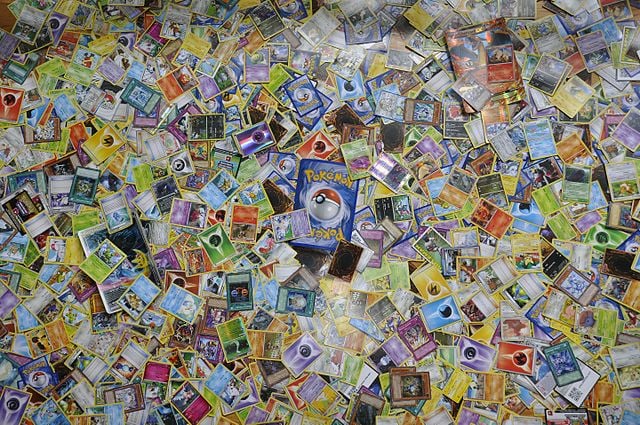
Pokemon trading card collection via Wikimedia Commons by Jarek Tuszyński with usage type - Creative Commons LicenseFeatured Image Credit
Pokemon trading card collection via Wikimedia Commons by Jarek Tuszyński with usage type - Creative Commons License


